THE ADVENTURE COLLECTIVE® · Independent discovery and booking for outdoor travel

A focused three‑hour guided loop through Osaka’s essential and lesser‑known districts — from the ramparts of Osaka Castle to the neon of Dotonbori and the market stalls of Kuromon. Practical, food‑forward, and easily customized by your local guide.
A focused three‑hour guided loop through Osaka’s essential and lesser‑known districts — from the ramparts of Osaka Castle to the neon of Dotonbori and the market stalls of Kuromon. Practical, food‑forward, and easily customized by your local guide.
You step from the green sweep of Osaka Castle Park into a city that moves with appetite and history. The castle’s stone base looms above a tidy moat while cherry trees toss petals onto the water, and within an hour the neighborhood changes — narrow alleys, neon, sizzling grills and shops that have traded the same wares for generations.
Verified experiences and guided adventures in the surrounding area.
Operated by Guydeez · Osaka, Osaka Prefecture
You step from the green sweep of Osaka Castle Park into a city that moves with appetite and history. The castle’s stone base looms above a tidy moat while cherry trees toss petals onto the water, and within an hour the neighborhood changes — narrow alleys, neon, sizzling grills and shops that have traded the same wares for generations.
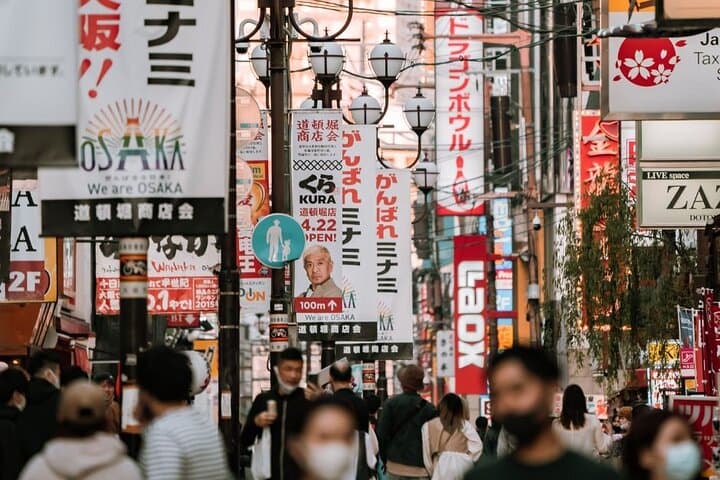
This guided three-hour loop covers Osaka Castle’s 16th‑century origins, Tsuruhashi’s Korean quarter with its pre‑war commercial bones, and Abeno Harukas’s glassy observation floors that frame Mount Ikoma on clear days. Shin‑Sekai still wears its Showa‑era edge; Dotonbori offers neon theatrics and the Glico Running Man; Kuromon Ichiba preserves Osaka’s market culture with fresh seafood and small culinary stalls. Doguyasuji’s specialized kitchenware shops reveal the city’s devotion to food craft and the curious art of wax food models.
Practical note: expect paved city streets, short train hops between districts, and frequent stops for photos and snacks. Wear sturdy shoes—the walking is flat but continuous—and keep a transit card (ICOCA/Suica) handy to save time. Bring small bills for market purchases and practice quiet, respectful behavior at shrines and temples.
The guide’s role is to stitch these contrasts into a single narrative: samurai history, immigrant foodways, post‑war reinvention, and contemporary Osaka street life. Timing mid‑morning or early evening maximizes markets or neon respectively; hydrate, plan for weather changes, and leave space in your day to return to a stall that called to you.
easy.
3 hours.
Lightly active: suitable for most people who can walk continuously for about three hours with brief public‑transit segments.
Yes — most areas on the route are accessible and surfaces are suitable for wheelchairs; notify at booking to confirm details.
Guides are available in English, Spanish and French; private or small group options can be arranged.
No — this city walking tour does not include paid admissions; you can visit observation decks or museums independently if desired.
The tour runs in most weather; bring a rain jacket or umbrella. For heavy storms, check cancellation policy and rescheduling options.
Osaka grew as a merchant hub; Osaka Castle (16th century) symbolizes feudal power while markets like Kuromon reflect the city’s long culinary commerce.
Support small businesses and reduce single‑use waste at markets; avoid feeding wildlife and respect temple grounds to minimize impact.
Guydeez operates guided outdoor trips and adventures with an emphasis on safety, stewardship, and memorable experiences.

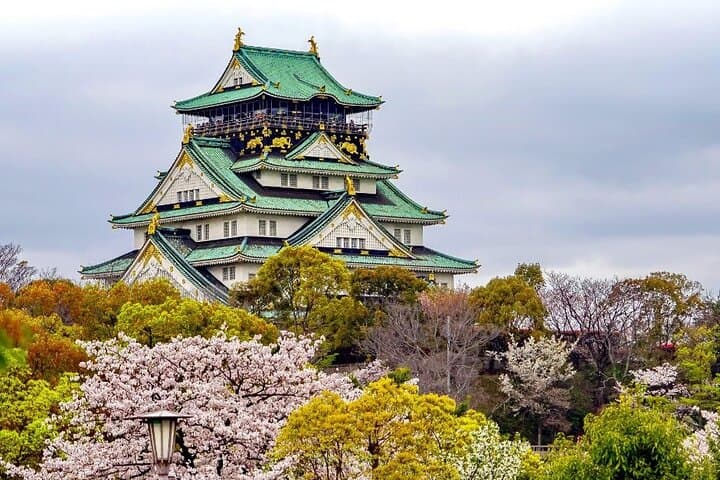
You step from the green sweep of Osaka Castle Park into a city that moves with appetite and history. The castle’s stone base looms above a tidy moat while cherry trees toss petals onto the water, and within an hour the neighborhood changes — narrow alleys, neon, sizzling grills and shops that have traded the same wares for generations.
You step from the green sweep of Osaka Castle Park into a city that moves with appetite and history. The castle’s stone base looms above a tidy moat while cherry trees toss petals onto the water, and within an hour the neighborhood changes — narrow alleys, neon, sizzling grills and shops that have traded the same wares for generations.
This guided three-hour loop covers Osaka Castle’s 16th‑century origins, Tsuruhashi’s Korean quarter with its pre‑war commercial bones, and Abeno Harukas’s glassy observation floors that frame Mount Ikoma on clear days. Shin‑Sekai still wears its Showa‑era edge; Dotonbori offers neon theatrics and the Glico Running Man; Kuromon Ichiba preserves Osaka’s market culture with fresh seafood and small culinary stalls. Doguyasuji’s specialized kitchenware shops reveal the city’s devotion to food craft and the curious art of wax food models.
Practical note: expect paved city streets, short train hops between districts, and frequent stops for photos and snacks. Wear sturdy shoes—the walking is flat but continuous—and keep a transit card (ICOCA/Suica) handy to save time. Bring small bills for market purchases and practice quiet, respectful behavior at shrines and temples.
The guide’s role is to stitch these contrasts into a single narrative: samurai history, immigrant foodways, post‑war reinvention, and contemporary Osaka street life. Timing mid‑morning or early evening maximizes markets or neon respectively; hydrate, plan for weather changes, and leave space in your day to return to a stall that called to you.