THE ADVENTURE COLLECTIVE® · Independent discovery and booking for outdoor travel

Spend a day from Osaka exploring Kobe’s Nada Gogo—the heart of Japanese sake production. Visit historic breweries, learn traditional brewing techniques, and sample premium sake varieties with an expert guide.
Spend a day from Osaka exploring Kobe’s Nada Gogo—the heart of Japanese sake production. Visit historic breweries, learn traditional brewing techniques, and sample premium sake varieties with an expert guide.
The train eases out of Osaka and the city’s roar thins; within an hour you step into a neighborhood where cool Rokko mountain water still shapes flavor and steam rises from old kura (storehouses). Narrow streets guide you past cedar barrels and tiled brewery facades; the scent of koji and yeast pulls as surely as a current pushing you through production rooms and tasting counters.
Verified experiences and guided adventures in the surrounding area.
Operated by MY Travel Consulting · Kobe, Hyogo Prefecture
The train eases out of Osaka and the city’s roar thins; within an hour you step into a neighborhood where cool Rokko mountain water still shapes flavor and steam rises from old kura (storehouses). Narrow streets guide you past cedar barrels and tiled brewery facades; the scent of koji and yeast pulls as surely as a current pushing you through production rooms and tasting counters.
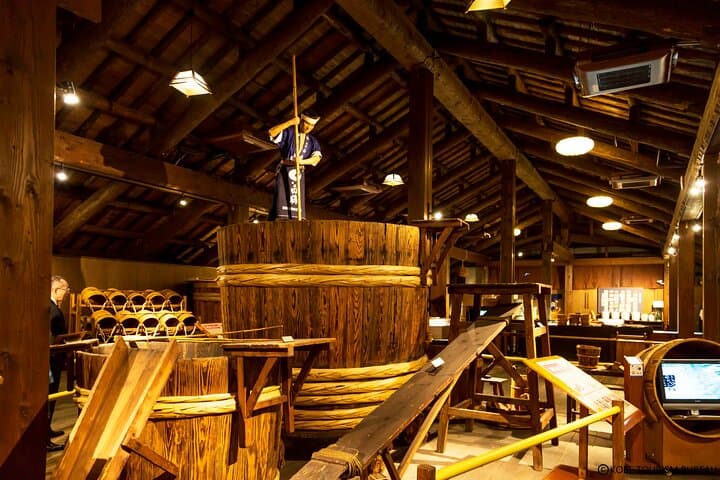
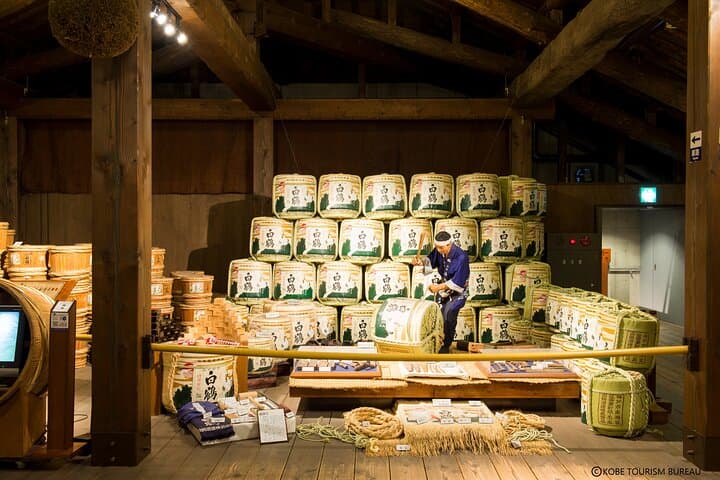
Nada Gogo is Japan’s largest sake-producing district, born from geological luck—the Rokko range supplies soft, mineral-balanced water prized by brewers—and centuries of craft that scaled into industrial neighborhoods in the Edo and Meiji periods. Museums at Hakutsuru, Kikumasamune, and Sawanotsuru frame that history with original tools, ladles, and wooden press frames that feel tactile and immediate. The culture around sake is practical and social: rice, koji, water, koji-kin, and time, repeated each season and handed down by families and modern breweries alike.
Expect guided walks between small factories, museum exhibits with English explanations, and curated tastings that trace differences between ginjo, junmai, and namazake. Brewery floors are cool and damp; wear non-slip shoes and a light layer. Bring identification for tastings and cash for small purchases—some shops prefer it. Plan weekdays or morning departures to avoid weekend crowds, and allow eight hours for transit, tours, and a leisurely lunch featuring local kushikatsu or a Kobe beef set if included.
This is a cultural, sensory day: history in every barrel, geology in every pour, and practical logistics that reward a little planning with generous, authentic tastings.
moderate.
8 hours.
Moderate — involves standing during tastings and short walks between sites; stairs possible.
The tour is approximately eight hours and typically includes hotel pickup, train transit to Sannomiya/Nishinomiya, guided brewery visits, admissions, and several tastings; check the itinerary for exact inclusions.
Yes — the itinerary uses public trains and short walks between sites; public transport fares are included as noted.
Yes — the operator accepts dietary requests for vegetarian, vegan, and gluten-free options if indicated at booking.
The tour is wheelchair accessible but the itinerary may be modified depending on location accessibility; advise the operator at booking.
Nada Gogo grew into Japan’s largest sake district by combining Rokko’s soft water with rice shipments from nearby ports, scaling craft production from the Edo period through industrialization.
Many breweries now emphasize sustainable water use and reduce waste by repurposing sake lees; visitors should avoid single-use plastics and respect local neighborhoods.
MY Travel Consulting operates guided outdoor trips and adventures with an emphasis on safety, stewardship, and memorable experiences.
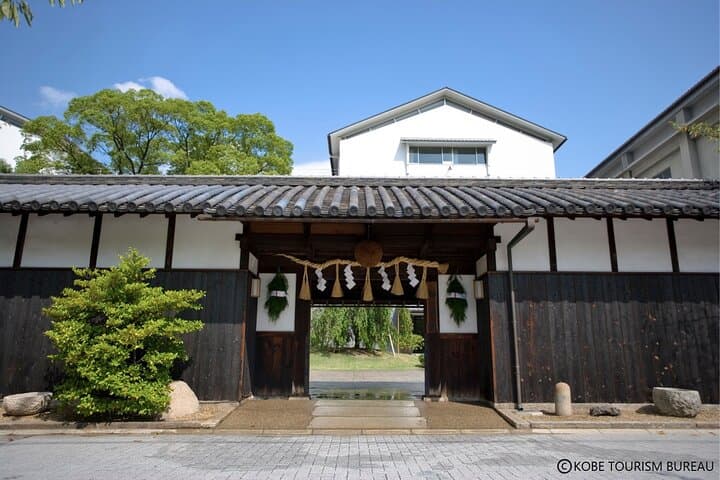
The train eases out of Osaka and the city’s roar thins; within an hour you step into a neighborhood where cool Rokko mountain water still shapes flavor and steam rises from old kura (storehouses). Narrow streets guide you past cedar barrels and tiled brewery facades; the scent of koji and yeast pulls as surely as a current pushing you through production rooms and tasting counters.
The train eases out of Osaka and the city’s roar thins; within an hour you step into a neighborhood where cool Rokko mountain water still shapes flavor and steam rises from old kura (storehouses). Narrow streets guide you past cedar barrels and tiled brewery facades; the scent of koji and yeast pulls as surely as a current pushing you through production rooms and tasting counters.
Nada Gogo is Japan’s largest sake-producing district, born from geological luck—the Rokko range supplies soft, mineral-balanced water prized by brewers—and centuries of craft that scaled into industrial neighborhoods in the Edo and Meiji periods. Museums at Hakutsuru, Kikumasamune, and Sawanotsuru frame that history with original tools, ladles, and wooden press frames that feel tactile and immediate. The culture around sake is practical and social: rice, koji, water, koji-kin, and time, repeated each season and handed down by families and modern breweries alike.
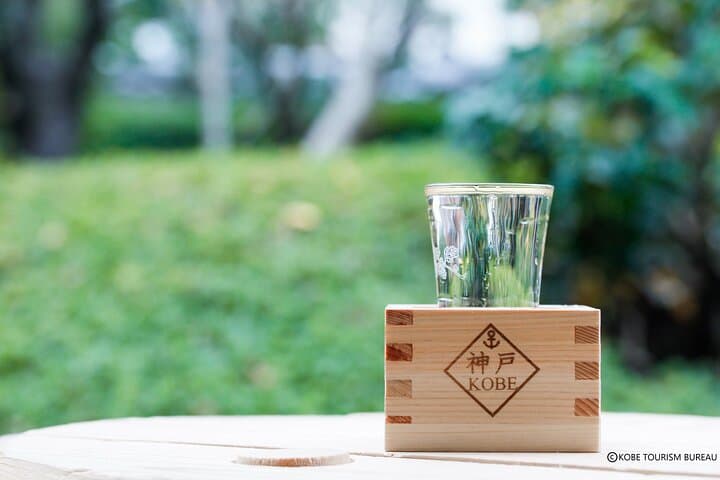
Expect guided walks between small factories, museum exhibits with English explanations, and curated tastings that trace differences between ginjo, junmai, and namazake. Brewery floors are cool and damp; wear non-slip shoes and a light layer. Bring identification for tastings and cash for small purchases—some shops prefer it. Plan weekdays or morning departures to avoid weekend crowds, and allow eight hours for transit, tours, and a leisurely lunch featuring local kushikatsu or a Kobe beef set if included.
This is a cultural, sensory day: history in every barrel, geology in every pour, and practical logistics that reward a little planning with generous, authentic tastings.