THE ADVENTURE COLLECTIVE® · Independent discovery and booking for outdoor travel

Witness retired rikishi demonstrate sacred techniques, then test your balance in the dohyo. This 90-minute Osaka experience blends ritual, history, and a rare audience challenge.
Witness retired rikishi demonstrate sacred techniques, then test your balance in the dohyo. This 90-minute Osaka experience blends ritual, history, and a rare audience challenge.
You step into a low-lit hall in Osaka; the air tastes faintly of tatami and sweat, the ring’s clay surface catching the downcast bulbs. Retired rikishi (sumo wrestlers) move with deliberate power, chanting the old rhythms as they demonstrate techniques and ritualized warm-ups. The tachiai—those explosive initial charges—arrive suddenly, the crowd inhaling as two hulking figures test balance and intent.
Verified experiences and guided adventures in the surrounding area.
Operated by Local Guide Stars · Osaka, Osaka Prefecture
You step into a low-lit hall in Osaka; the air tastes faintly of tatami and sweat, the ring’s clay surface catching the downcast bulbs. Retired rikishi (sumo wrestlers) move with deliberate power, chanting the old rhythms as they demonstrate techniques and ritualized warm-ups. The tachiai—those explosive initial charges—arrive suddenly, the crowd inhaling as two hulking figures test balance and intent.
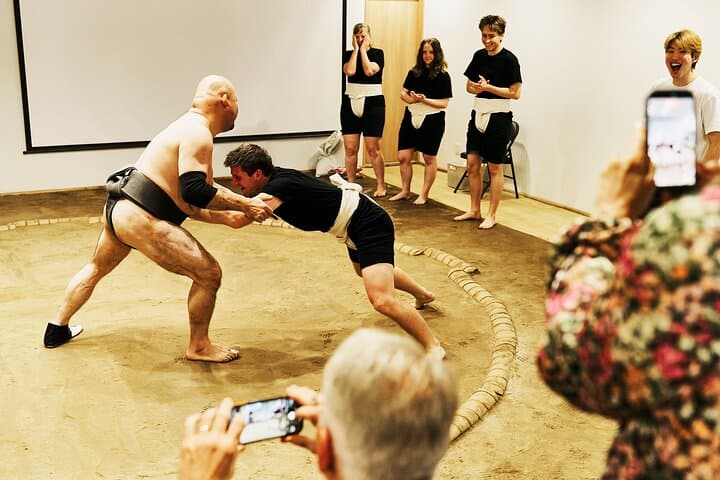
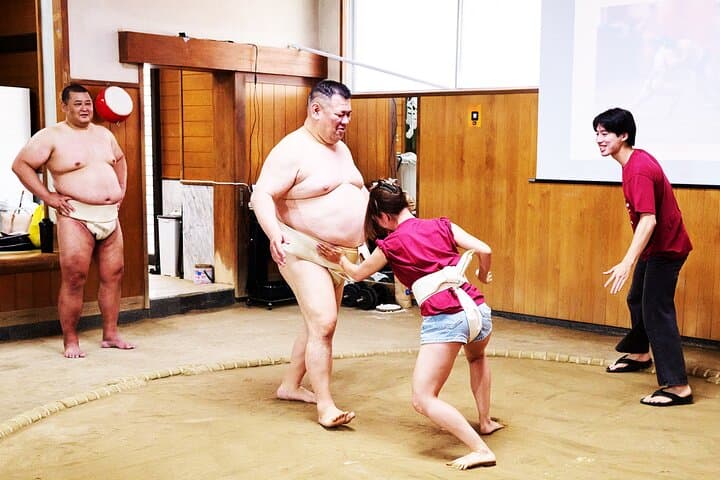
Sumo’s roots trace back to Shinto rites; matches once accompanied harvest prayers and later codified into the professional sport of the Edo period. Osaka sits on the flat Kansai plain, a city shaped by rivers and trade routes that brought travelers and regional styles of entertainment. This experience blends performance, short lecture, and a hands-on moment: a limited audience challenge where visitors can step into the dohyo under guidance.
Expect a 90-minute program with an English-speaking guide, public transport access nearby, and a gentle physical demand—participants only need basic mobility. Photography is usually allowed but follow the guide’s cues; respect for rituals and the wrestlers is paramount. The venue’s floor and seating can be low, so plan for modest clothing and minimal noise during demonstrations.
Practical tips: arrive early to learn etiquette, keep valuables tucked away, and consider pairing the visit with nearby local food alleys or a shrine walk. For first-timers, the thrill is seeing centuries-old ritual made vivid and immediate—a compact cultural immersion that’s energetic, informative, and unexpectedly physical.
easy.
1–1.5 hours.
Minimal fitness required—basic mobility and balance for the audience challenge.
Yes—limited audience challenge spots allow visitors to enter the dohyo under supervision; availability is restricted so reserve early.
An English-speaking guide is included, and explanations are provided in English during demonstrations.
Full refund if cancelled at least 24 hours before the scheduled time; no refund within 24 hours of the event.
The show is suitable for all fitness levels; those participating in the ring should have basic mobility and follow staff instructions.
Sumo evolved from Shinto ritual contests into a codified professional sport during the Edo period; many traditions in matches preserve religious elements.
Venues encourage public transit to reduce impact; visitors should avoid flash photography during rituals and support local businesses to sustain cultural tourism.
Local Guide Stars operates guided outdoor trips and adventures with an emphasis on safety, stewardship, and memorable experiences.
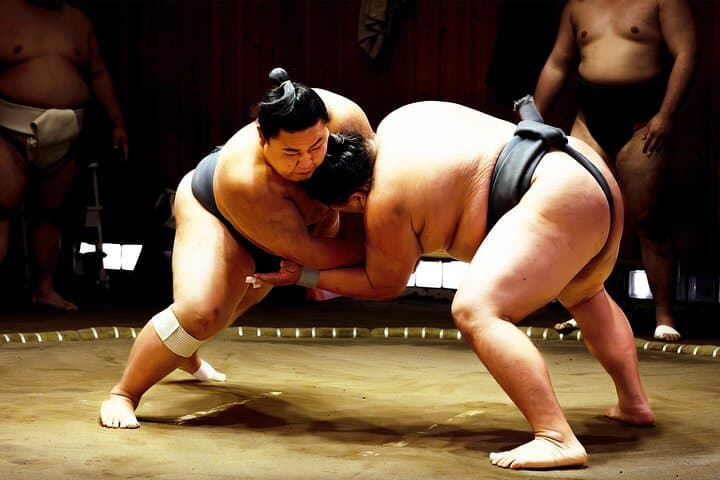
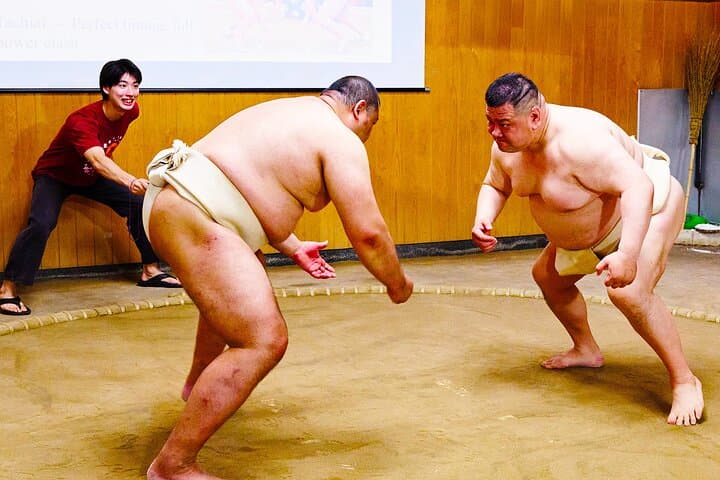
You step into a low-lit hall in Osaka; the air tastes faintly of tatami and sweat, the ring’s clay surface catching the downcast bulbs. Retired rikishi (sumo wrestlers) move with deliberate power, chanting the old rhythms as they demonstrate techniques and ritualized warm-ups. The tachiai—those explosive initial charges—arrive suddenly, the crowd inhaling as two hulking figures test balance and intent.
You step into a low-lit hall in Osaka; the air tastes faintly of tatami and sweat, the ring’s clay surface catching the downcast bulbs. Retired rikishi (sumo wrestlers) move with deliberate power, chanting the old rhythms as they demonstrate techniques and ritualized warm-ups. The tachiai—those explosive initial charges—arrive suddenly, the crowd inhaling as two hulking figures test balance and intent.
Sumo’s roots trace back to Shinto rites; matches once accompanied harvest prayers and later codified into the professional sport of the Edo period. Osaka sits on the flat Kansai plain, a city shaped by rivers and trade routes that brought travelers and regional styles of entertainment. This experience blends performance, short lecture, and a hands-on moment: a limited audience challenge where visitors can step into the dohyo under guidance.
Expect a 90-minute program with an English-speaking guide, public transport access nearby, and a gentle physical demand—participants only need basic mobility. Photography is usually allowed but follow the guide’s cues; respect for rituals and the wrestlers is paramount. The venue’s floor and seating can be low, so plan for modest clothing and minimal noise during demonstrations.
Practical tips: arrive early to learn etiquette, keep valuables tucked away, and consider pairing the visit with nearby local food alleys or a shrine walk. For first-timers, the thrill is seeing centuries-old ritual made vivid and immediate—a compact cultural immersion that’s energetic, informative, and unexpectedly physical.