THE ADVENTURE COLLECTIVE® · Independent discovery and booking for outdoor travel

Experience hanami along Kema Sakuranomiya’s riverside path: a two‑hour guided picnic walk through Osaka’s cherry blossoms timed to spring bloom. Learn where to find the best pockets of flowers, local hanami customs, and what to bring for a comfortable, respectful outing.
Experience hanami along Kema Sakuranomiya’s riverside path: a two‑hour guided picnic walk through Osaka’s cherry blossoms timed to spring bloom. Learn where to find the best pockets of flowers, local hanami customs, and what to bring for a comfortable, respectful outing.
You arrive at the riverbank and the air tastes faintly of tea and neighboring food stalls—petals drift across the water like small pale boats. The guide leads a small group along Kema Sakuranomiya Park’s riverside path, where hundred‑meter lines of cherry trees frame the Okawa River and create the mood for hanami, the practice of seasonal flower‑watching.
Verified experiences and guided adventures in the surrounding area.
Operated by Japan Exploration Tours JIN-仁 · Osaka, Osaka Prefecture
You arrive at the riverbank and the air tastes faintly of tea and neighboring food stalls—petals drift across the water like small pale boats. The guide leads a small group along Kema Sakuranomiya Park’s riverside path, where hundred‑meter lines of cherry trees frame the Okawa River and create the mood for hanami, the practice of seasonal flower‑watching.
Cherry blossoms are transient by design: in 2025 local forecasts mark blooming around March 26 and full bloom near April 2, but microclimates and tree varieties change timing across the city. The park itself dates to the Meiji and Taisho eras when riverside promenades became public gathering places; today the sakura-lined paths continue that civic tradition. Geologically the flat Osaka plain allows uninterrupted river views, and the trees were planted for both bank stabilization and communal leisure.
Culturally this is a picnic as much as a walk—expect blue tarps, portable sake, and polite conversation; guides will point out quieter groves and the so-called “Sakura Tunnel” if it’s open. The flora seems to lean toward you: branches bow and release a steady shower of petals, urging you to pause and look up.
Practical guidance: this two‑hour stroll is flat and wheelchair‑accessible; arrive 30–45 minutes early for the best picnic spots and use public transit (Osaka city rail to nearby stations). Bring a lightweight mat, layers for chilly evenings, a small trash bag to carry out waste, and cash for food stalls. Respect local etiquette—don’t pick flowers, keep noise moderate, and leave the site as you found it.
easy.
2 hours.
Suitable for all fitness levels; mostly flat walking on paved or compacted paths
Book for the dates around forecasted full bloom (in 2025, around April 2) but allow a window—guides monitor local bloom conditions and will choose the best sites on the day.
Yes—Kema Sakuranomiya Park paths are largely flat and the tour notes wheelchair and stroller accessibility; let the operator know any mobility needs when booking.
Yes—food stalls and alcoholic beverages such as sake are commonly available and included elements may be offered; follow local drinking etiquette and the guide’s instructions.
Tours may be canceled for heavy rain; light showers typically proceed—check the operator’s weather policy and pack a rain layer.
Kema Sakuranomiya became a popular public promenade in the late 19th and early 20th centuries as Osaka developed riverfront leisure spaces, continuing a civic tradition of communal viewing and riverside festivals.
Visitors are encouraged to carry out all waste, avoid stepping on tree roots or low branches, and refrain from picking blossoms to protect fragile buds and the park’s long‑term health.
Japan Exploration Tours JIN-仁 operates guided outdoor trips and adventures with an emphasis on safety, stewardship, and memorable experiences.
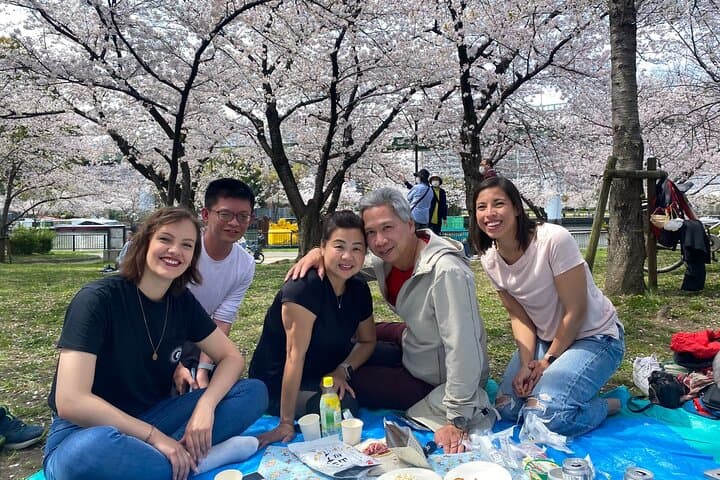
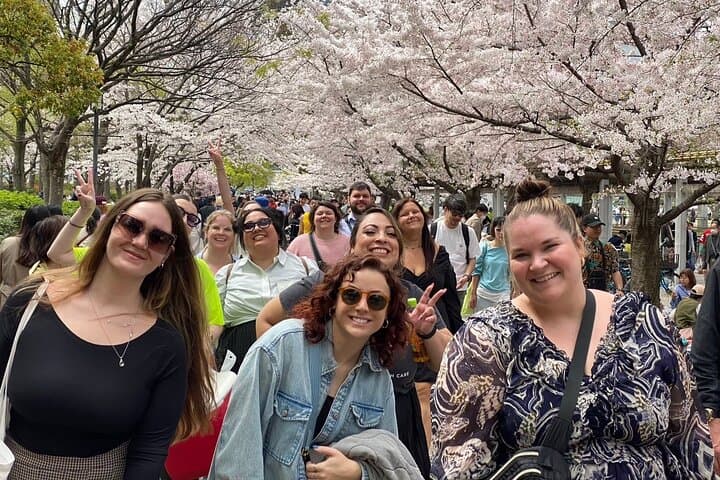
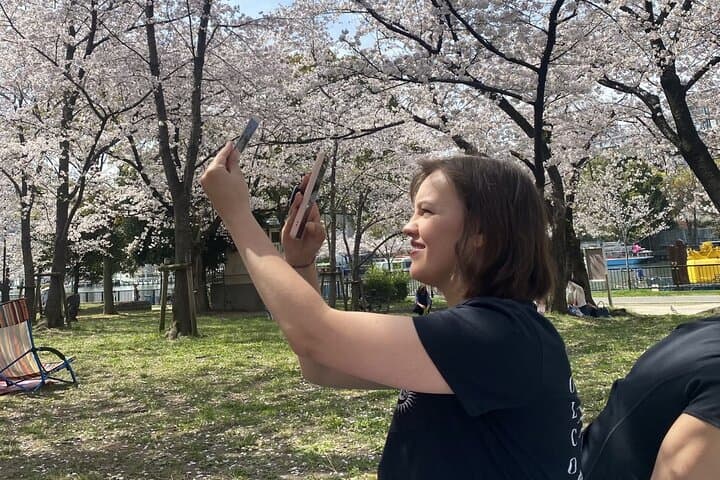
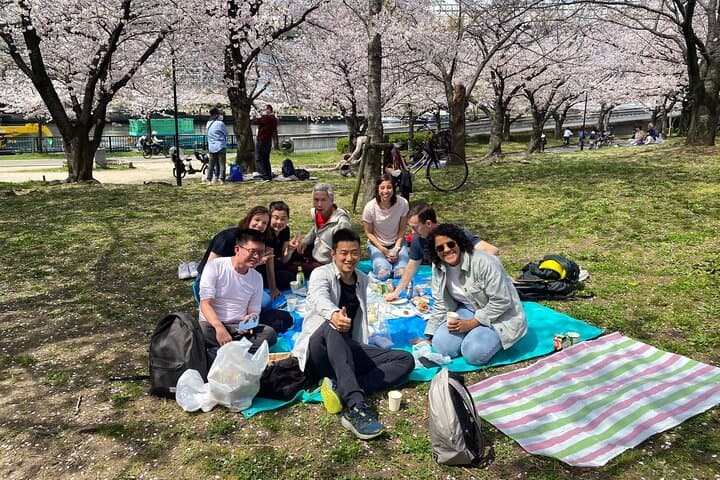
You arrive at the riverbank and the air tastes faintly of tea and neighboring food stalls—petals drift across the water like small pale boats. The guide leads a small group along Kema Sakuranomiya Park’s riverside path, where hundred‑meter lines of cherry trees frame the Okawa River and create the mood for hanami, the practice of seasonal flower‑watching.
You arrive at the riverbank and the air tastes faintly of tea and neighboring food stalls—petals drift across the water like small pale boats. The guide leads a small group along Kema Sakuranomiya Park’s riverside path, where hundred‑meter lines of cherry trees frame the Okawa River and create the mood for hanami, the practice of seasonal flower‑watching.
Cherry blossoms are transient by design: in 2025 local forecasts mark blooming around March 26 and full bloom near April 2, but microclimates and tree varieties change timing across the city. The park itself dates to the Meiji and Taisho eras when riverside promenades became public gathering places; today the sakura-lined paths continue that civic tradition. Geologically the flat Osaka plain allows uninterrupted river views, and the trees were planted for both bank stabilization and communal leisure.
Culturally this is a picnic as much as a walk—expect blue tarps, portable sake, and polite conversation; guides will point out quieter groves and the so-called “Sakura Tunnel” if it’s open. The flora seems to lean toward you: branches bow and release a steady shower of petals, urging you to pause and look up.
Practical guidance: this two‑hour stroll is flat and wheelchair‑accessible; arrive 30–45 minutes early for the best picnic spots and use public transit (Osaka city rail to nearby stations). Bring a lightweight mat, layers for chilly evenings, a small trash bag to carry out waste, and cash for food stalls. Respect local etiquette—don’t pick flowers, keep noise moderate, and leave the site as you found it.