THE ADVENTURE COLLECTIVE® · Independent discovery and booking for outdoor travel

Explore Osaka after dark and by daylight on a focused three-hour photography workshop that covers neon-lit Dotonbori, nostalgic Shinsekai alleys, and expansive views around Osaka Castle. Learn manual settings and creative techniques with a local guide.
Explore Osaka after dark and by daylight on a focused three-hour photography workshop that covers neon-lit Dotonbori, nostalgic Shinsekai alleys, and expansive views around Osaka Castle. Learn manual settings and creative techniques with a local guide.
The Dotonbori canal throws the neon back at you—liquid ribbons of light broken by the slow wake of a tourist boat. A shutter clicks, and the city replies: steam rising from a takoyaki stall, a salaryman under an umbrella, lacquered signs reflected like fractured calligraphy. This three-hour workshop drops you into Osaka’s living picture, moving from Dotonbori’s electric nights to the hush of Hozenji Yokocho and the broad perspectives around Osaka Castle.
Verified experiences and guided adventures in the surrounding area.
Operated by Shoot Travel Japan · Osaka, Osaka Prefecture
The Dotonbori canal throws the neon back at you—liquid ribbons of light broken by the slow wake of a tourist boat. A shutter clicks, and the city replies: steam rising from a takoyaki stall, a salaryman under an umbrella, lacquered signs reflected like fractured calligraphy. This three-hour workshop drops you into Osaka’s living picture, moving from Dotonbori’s electric nights to the hush of Hozenji Yokocho and the broad perspectives around Osaka Castle.
Osaka grew as Japan’s commercial hub: rivers and reclaimed plains sculpted its grid, and its neighborhoods still read like chapters of a merchant city. The geology of the Osaka Plain—soft alluvial soils and man-made embankments—frames the city’s canals and parks, while cultural rhythms (street food culture, festival lighting, and market bustle) shape the best images. Expect layered frames: architecture, human movement, and reflections that change with light.
Practical guidance follows the story. Meet near a central Dotonbori landmark with a charged camera, spare cards, and a compact tripod for long exposures. The guide focuses on manual settings—aperture, shutter, ISO—and creative techniques: motion blur, light trails, and low-light composition. Walks are short but intense; photographers of all levels can learn quickly if they arrive curious and prepared.
Tips: time shoots for golden hour to early night for the greatest tonal range; be mindful of busy pedestrian flows and local privacy; use the castle moats and Umeda rooftops for perspective work; and allow a few extra minutes to review images with the instructor for actionable feedback.
easy.
3 hours.
Light walking over paved city streets; suitable for most fitness levels
No; the workshop is designed for beginners and experienced photographers alike—basic familiarity helps, but the instructor covers manual settings and composition.
Meeting details are provided at booking, typically a central landmark in Dotonbori; the route usually ends near Umeda or Osaka Castle depending on timing.
Yes—smartphones are welcome, though the lesson plan focuses on manual controls available on mirrorless/DSLR cameras; the instructor can suggest mobile settings where possible.
The tour does not automatically cancel for rain; check cancellation policy—bring weatherproof gear and umbrella, and confirm with the guide if severe conditions arise.
Osaka developed as a mercantile center; its canals and entertainment districts expanded during the Edo and Meiji periods and shaped today’s vibrant street culture.
Practice respectful street photography by minimizing tripod obstruction, avoiding flash on strangers, and following local signage to reduce crowding and disturbance.
Shoot Travel Japan operates guided outdoor trips and adventures with an emphasis on safety, stewardship, and memorable experiences.
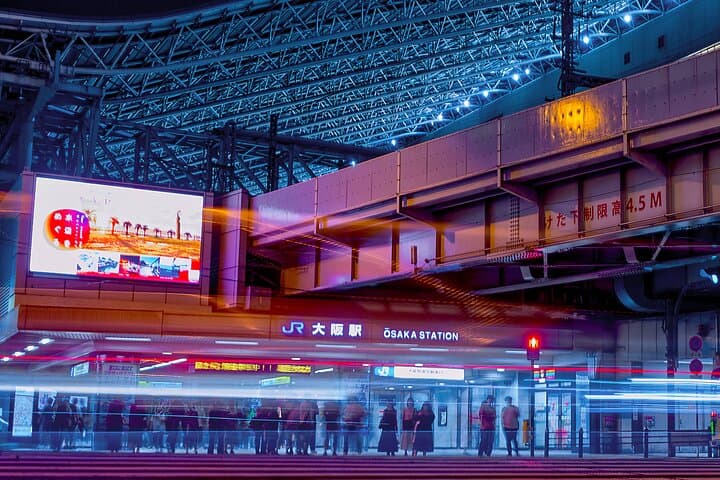
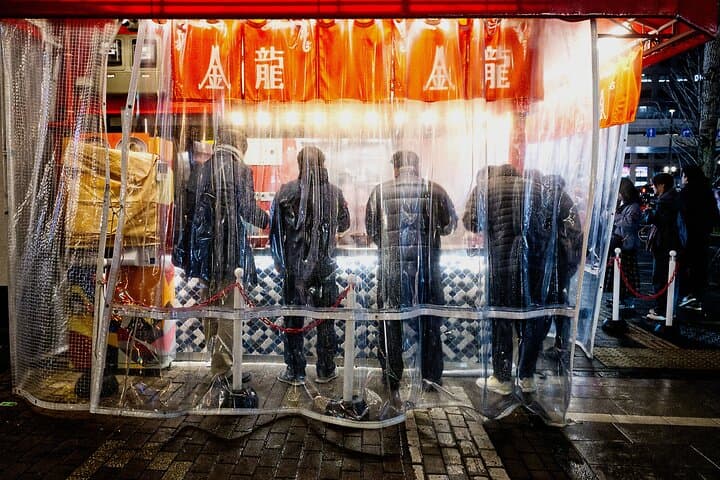
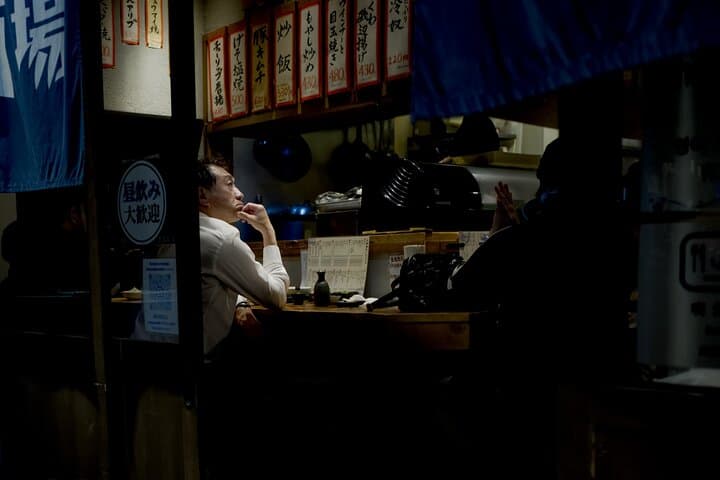
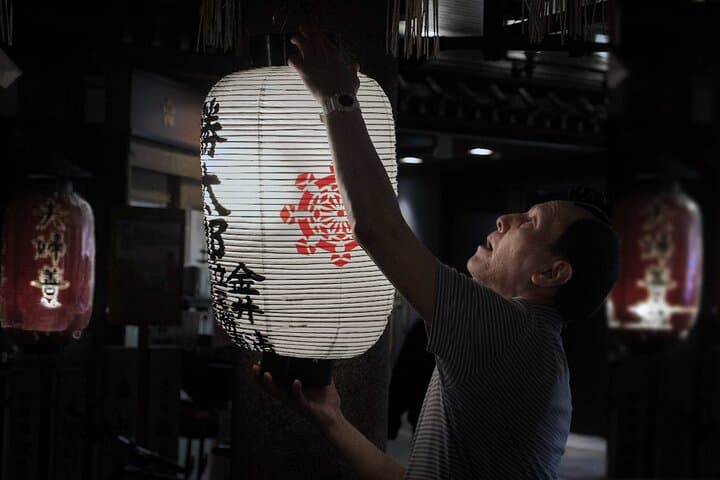
The Dotonbori canal throws the neon back at you—liquid ribbons of light broken by the slow wake of a tourist boat. A shutter clicks, and the city replies: steam rising from a takoyaki stall, a salaryman under an umbrella, lacquered signs reflected like fractured calligraphy. This three-hour workshop drops you into Osaka’s living picture, moving from Dotonbori’s electric nights to the hush of Hozenji Yokocho and the broad perspectives around Osaka Castle.
The Dotonbori canal throws the neon back at you—liquid ribbons of light broken by the slow wake of a tourist boat. A shutter clicks, and the city replies: steam rising from a takoyaki stall, a salaryman under an umbrella, lacquered signs reflected like fractured calligraphy. This three-hour workshop drops you into Osaka’s living picture, moving from Dotonbori’s electric nights to the hush of Hozenji Yokocho and the broad perspectives around Osaka Castle.
Osaka grew as Japan’s commercial hub: rivers and reclaimed plains sculpted its grid, and its neighborhoods still read like chapters of a merchant city. The geology of the Osaka Plain—soft alluvial soils and man-made embankments—frames the city’s canals and parks, while cultural rhythms (street food culture, festival lighting, and market bustle) shape the best images. Expect layered frames: architecture, human movement, and reflections that change with light.
Practical guidance follows the story. Meet near a central Dotonbori landmark with a charged camera, spare cards, and a compact tripod for long exposures. The guide focuses on manual settings—aperture, shutter, ISO—and creative techniques: motion blur, light trails, and low-light composition. Walks are short but intense; photographers of all levels can learn quickly if they arrive curious and prepared.
Tips: time shoots for golden hour to early night for the greatest tonal range; be mindful of busy pedestrian flows and local privacy; use the castle moats and Umeda rooftops for perspective work; and allow a few extra minutes to review images with the instructor for actionable feedback.