THE ADVENTURE COLLECTIVE® · Independent discovery and booking for outdoor travel

Explore Osaka after dark through retro neon, lantern-lit stone lanes, and quiet alleys most travelers miss. This three-hour walking tour threads Shinsekai, America-mura, Hōzenji Yokocho and finishes at Dotonbori’s riverside — all without entering bars.
Explore Osaka after dark through retro neon, lantern-lit stone lanes, and quiet alleys most travelers miss. This three-hour walking tour threads Shinsekai, America-mura, Hōzenji Yokocho and finishes at Dotonbori’s riverside — all without entering bars.
The walk begins under the amber glass of Tully’s at Tenshiba, where your guide waits and the city exhales into neon. You slip from park lighting into Shinsekai’s retro neon — pachinko arcades humming, cheap eateries calling — then thread narrow stone lanes and lantern-lit yokocho that most visitors never find. The river at Dotonbori finishes the route with neon reflections guiding you to Ebisu Bridge, but much of the evening is spent in intimate backstreets that feel lived-in rather than curated.
Verified experiences and guided adventures in the surrounding area.
Operated by ウォーキングツアー、居酒屋、バー巡り · Osaka, Osaka Prefecture
The walk begins under the amber glass of Tully’s at Tenshiba, where your guide waits and the city exhales into neon. You slip from park lighting into Shinsekai’s retro neon — pachinko arcades humming, cheap eateries calling — then thread narrow stone lanes and lantern-lit yokocho that most visitors never find. The river at Dotonbori finishes the route with neon reflections guiding you to Ebisu Bridge, but much of the evening is spent in intimate backstreets that feel lived-in rather than curated.
Osaka’s story is visible in these streets: a mercantile port city that rebuilt itself after wartime destruction and embraced postwar pop culture. Shinsekai’s 1912 inspiration and Tsutenkaku’s postwar reconstruction sit alongside America-mura’s youth-driven murals and the moss-splashed Mizukake Fudō at Hōzenji, where worshippers splash water in a ritual older than the city’s bright lights.
Practically, expect three hours of mostly flat, paved walking with short subway hops on the Midosuji Line. Alleys can be narrow with low light and occasional stone steps; stroller access is possible but watch for tight turns. Wear grippy shoes, carry a small light or use your phone torch, and bring an IC transit card or cash for street food. The tour is relaxed, safe, and alcohol-free — focused on atmosphere, history, and how locals move through Osaka after dark. Timing matters: start after sunset to see lanterns and neon at their best, and plan to finish where Dotonbori’s riverside paths offer quieter photo opportunities.
easy.
3 hours.
Basic walking fitness — able to be on your feet for up to three hours with short standing stops
The tour runs about three hours and covers roughly 3–4 kilometers at a relaxed pace with photo stops and a short subway transfer.
The route is stroller-accessible in many sections, but expect some narrow lanes and occasional steps—check with the guide for route adjustments.
No — the experience focuses on streets, alleys, and cultural stops; food options are available to buy but indoor entry is not included.
Yes. The route uses well-traveled neighborhoods and a local English-speaking guide; standard urban safety practices apply.
Osaka evolved as Japan’s commercial heart; many neighborhoods combine prewar street patterns with postwar pop culture, visible in Shinsekai and America-mura.
Stick to marked paths and avoid littering; small urban temples like Hōzenji rely on respectful visitor behavior to preserve moss-covered statues and narrow alleys.
ウォーキングツアー、居酒屋、バー巡り operates guided outdoor trips and adventures with an emphasis on safety, stewardship, and memorable experiences.
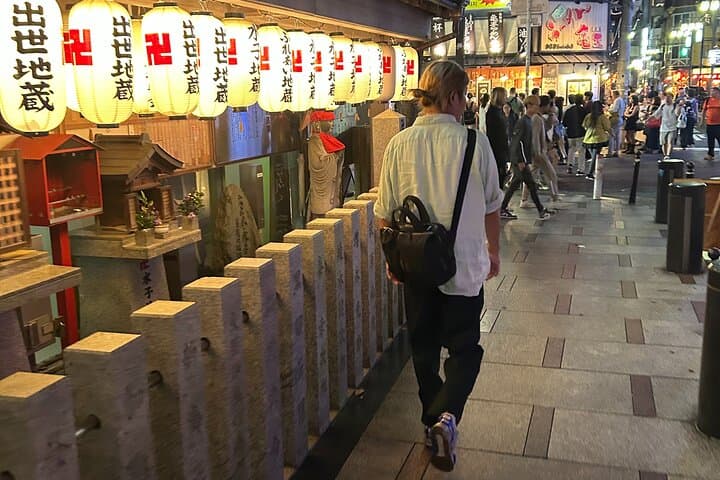
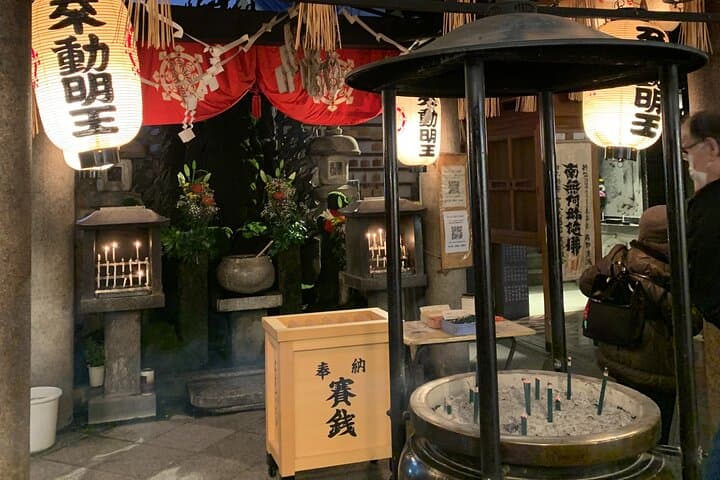
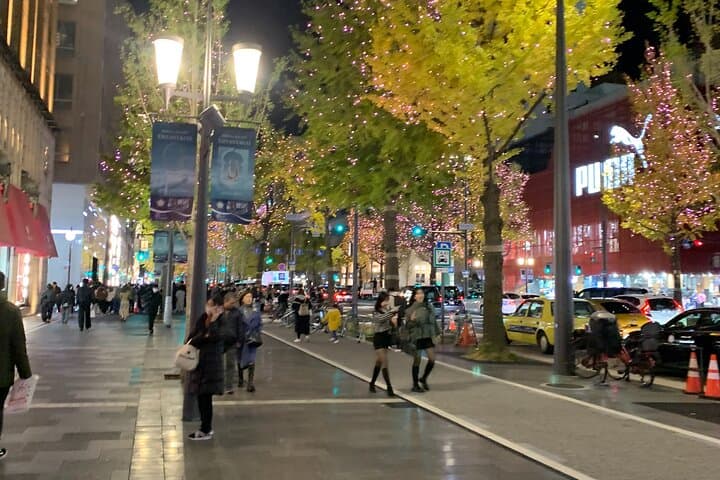
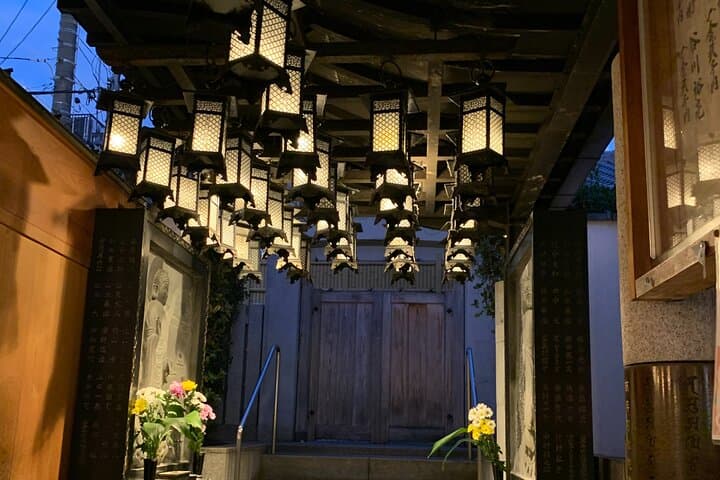
The walk begins under the amber glass of Tully’s at Tenshiba, where your guide waits and the city exhales into neon. You slip from park lighting into Shinsekai’s retro neon — pachinko arcades humming, cheap eateries calling — then thread narrow stone lanes and lantern-lit yokocho that most visitors never find. The river at Dotonbori finishes the route with neon reflections guiding you to Ebisu Bridge, but much of the evening is spent in intimate backstreets that feel lived-in rather than curated.
The walk begins under the amber glass of Tully’s at Tenshiba, where your guide waits and the city exhales into neon. You slip from park lighting into Shinsekai’s retro neon — pachinko arcades humming, cheap eateries calling — then thread narrow stone lanes and lantern-lit yokocho that most visitors never find. The river at Dotonbori finishes the route with neon reflections guiding you to Ebisu Bridge, but much of the evening is spent in intimate backstreets that feel lived-in rather than curated.
Osaka’s story is visible in these streets: a mercantile port city that rebuilt itself after wartime destruction and embraced postwar pop culture. Shinsekai’s 1912 inspiration and Tsutenkaku’s postwar reconstruction sit alongside America-mura’s youth-driven murals and the moss-splashed Mizukake Fudō at Hōzenji, where worshippers splash water in a ritual older than the city’s bright lights.
Practically, expect three hours of mostly flat, paved walking with short subway hops on the Midosuji Line. Alleys can be narrow with low light and occasional stone steps; stroller access is possible but watch for tight turns. Wear grippy shoes, carry a small light or use your phone torch, and bring an IC transit card or cash for street food. The tour is relaxed, safe, and alcohol-free — focused on atmosphere, history, and how locals move through Osaka after dark. Timing matters: start after sunset to see lanterns and neon at their best, and plan to finish where Dotonbori’s riverside paths offer quieter photo opportunities.