THE ADVENTURE COLLECTIVE® · Independent discovery and booking for outdoor travel

Taste your way through Kuromon Market, learn takoyaki technique in an authentic shop, and stroll Dotonbori’s neon riverfront on a three-hour private tour. A mix of food-hopping, cultural insight, and hands-on cooking—ideal for first-time Osaka visitors.
Taste your way through Kuromon Market, learn takoyaki technique in an authentic shop, and stroll Dotonbori’s neon riverfront on a three-hour private tour. A mix of food-hopping, cultural insight, and hands-on cooking—ideal for first-time Osaka visitors.
Step off the street into a corridor of sizzling pans and salt-bright air: Kuromon Market hums with vendors calling out the day’s catch while neon in nearby Dotonbori waits to ignite as dusk falls.
Verified experiences and guided adventures in the surrounding area.
Operated by 888tour · Osaka, Osaka Prefecture
Step off the street into a corridor of sizzling pans and salt-bright air: Kuromon Market hums with vendors calling out the day’s catch while neon in nearby Dotonbori waits to ignite as dusk falls.
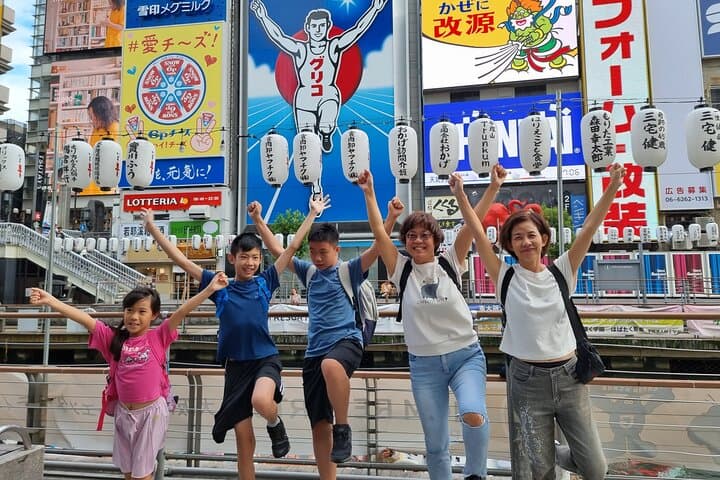
This three-hour private walking tour threads Okinawan-flavored takoyaki shops, the moss-silenced courtyard of Tenryūzan Hōzenji Temple, and the riverfront spectacle of the Glico sign. Kuromon’s stalls have supplied Osaka chefs and residents for generations—markets here evolved from Edo-period trade routes into the modern “kitchen of Japan,” where fresh seafood and pickles define local meals.
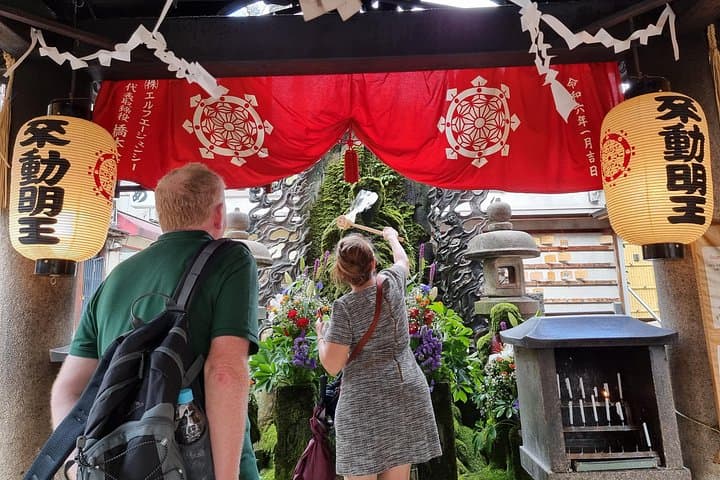
Geologically the city sits on alluvial plains from the Yodo River, which shaped Osaka’s canals and commerce; culturally the neighborhood is a layered urban stage where street-food craft meets temple ritual. At Hōzenji you’ll witness the water-pouring ritual over the moss-covered Fudō Myō-ō statue, a tactile pause between bites and neon.
Transitioning from tasting to doing, the takoyaki class puts a griddle in your hands. Your guide demonstrates batter rhythm, octopus placement, and the wrist flick that turns spheres golden—then you try. Practicalities: bring sun protection and a reusable bag for purchases, allow three hours total, and expect light, flat walking on paved streets and small alleys.
Whether you come for flavors, photos, or a quick urban cooking lesson, this tour balances sensory intensity with straightforward logistics—perfect for travelers who want Osaka’s food culture explained and tasted in one confident sweep.
easy.
3 hours.
Light walking on flat urban streets; suitable for most fitness levels who can stand and stroll for a few hours.
Yes—tour notes indicate infant seats available and the pace is family-friendly; book accordingly and disclose ages when reserving.
Tell the guide about dietary restrictions when booking; the guide can recommend alternatives but some street items may be difficult to fully substitute.
Yes—carry small cash bills for market purchases and optional snacks, although the class and one drink are included in the tour fee.
This is a private guided tour; language options depend on the tour operator—confirm availability at booking through the product link.
Kuromon Market grew from Edo-period trade routes into a central food hub historically known as Osaka’s source of ingredients; Dotonbori developed as an entertainment canal district since the 17th century.
Markets generate packaging waste—bring reusable bags and politely decline single-use chopsticks when possible; respect temple spaces by not leaving litter and following local etiquette.
888tour operates guided outdoor trips and adventures with an emphasis on safety, stewardship, and memorable experiences.
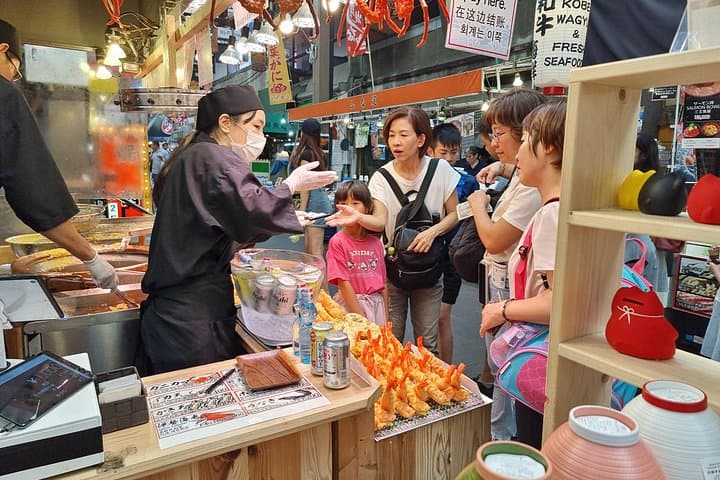
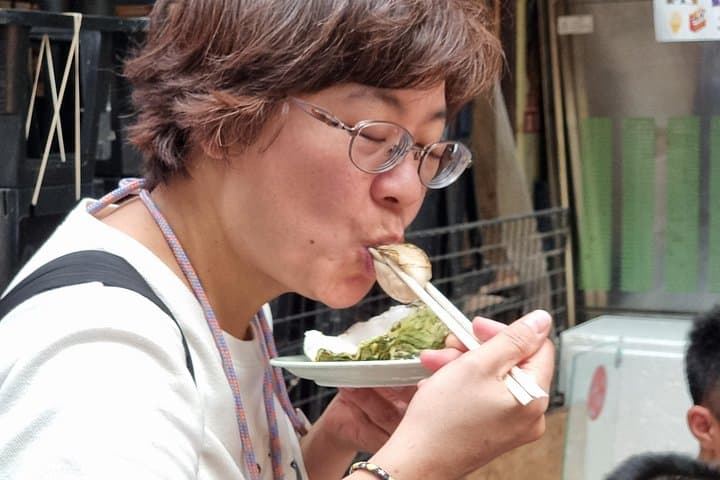
Step off the street into a corridor of sizzling pans and salt-bright air: Kuromon Market hums with vendors calling out the day’s catch while neon in nearby Dotonbori waits to ignite as dusk falls.
Step off the street into a corridor of sizzling pans and salt-bright air: Kuromon Market hums with vendors calling out the day’s catch while neon in nearby Dotonbori waits to ignite as dusk falls.
This three-hour private walking tour threads Okinawan-flavored takoyaki shops, the moss-silenced courtyard of Tenryūzan Hōzenji Temple, and the riverfront spectacle of the Glico sign. Kuromon’s stalls have supplied Osaka chefs and residents for generations—markets here evolved from Edo-period trade routes into the modern “kitchen of Japan,” where fresh seafood and pickles define local meals.
Geologically the city sits on alluvial plains from the Yodo River, which shaped Osaka’s canals and commerce; culturally the neighborhood is a layered urban stage where street-food craft meets temple ritual. At Hōzenji you’ll witness the water-pouring ritual over the moss-covered Fudō Myō-ō statue, a tactile pause between bites and neon.
Transitioning from tasting to doing, the takoyaki class puts a griddle in your hands. Your guide demonstrates batter rhythm, octopus placement, and the wrist flick that turns spheres golden—then you try. Practicalities: bring sun protection and a reusable bag for purchases, allow three hours total, and expect light, flat walking on paved streets and small alleys.
Whether you come for flavors, photos, or a quick urban cooking lesson, this tour balances sensory intensity with straightforward logistics—perfect for travelers who want Osaka’s food culture explained and tasted in one confident sweep.