THE ADVENTURE COLLECTIVE® · Independent discovery and booking for outdoor travel

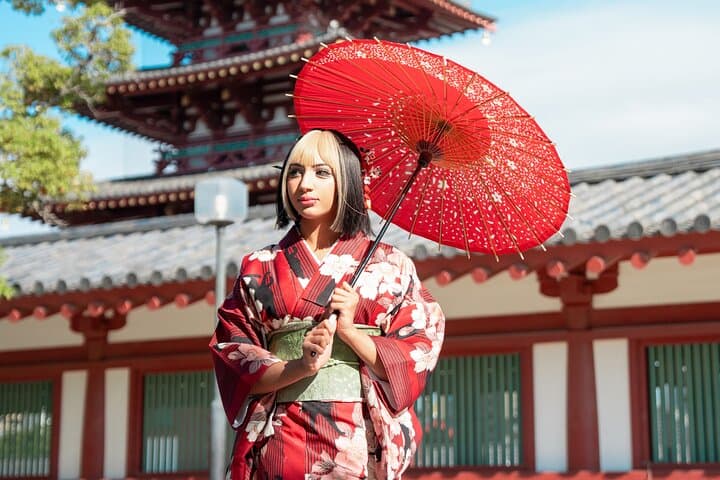
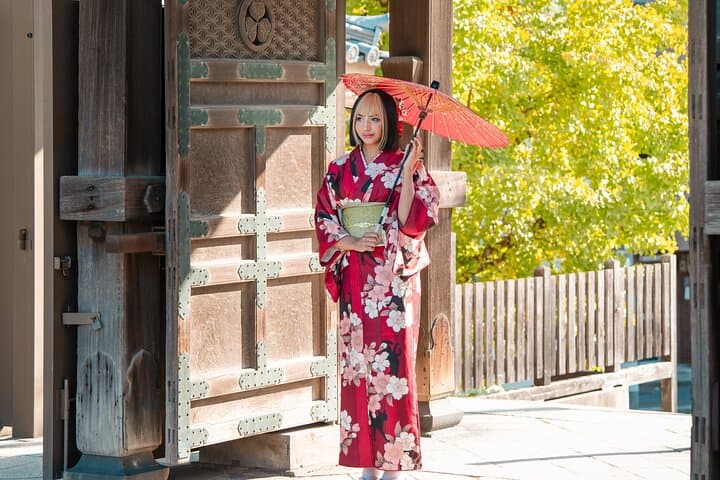
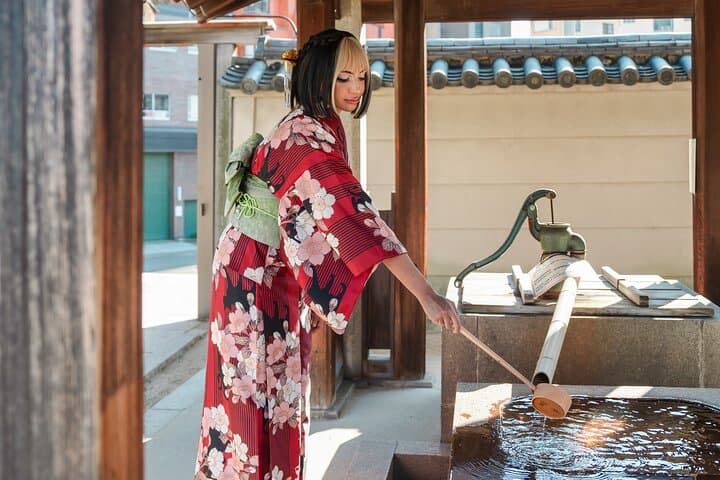
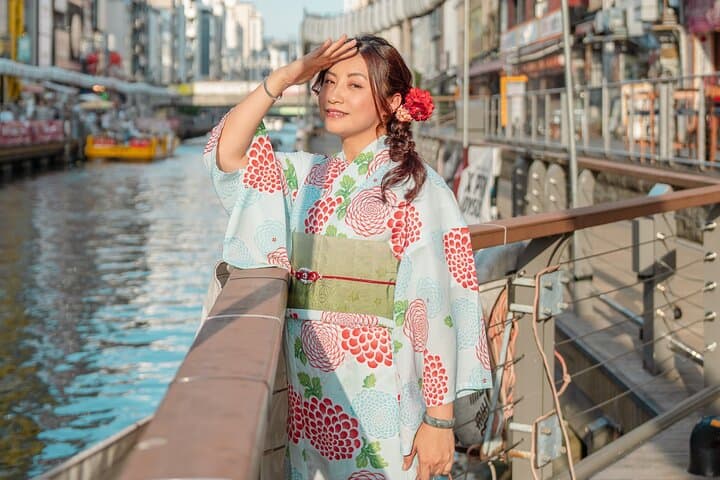
Dress in traditional kimono, get hair-and-makeup styling, then stroll to Dotonbori from a shop just minutes from Namba. This compact 90-minute experience covers selection, dressing, and quick photos — ideal for first-time kimono wearers.
Dress in traditional kimono, get hair-and-makeup styling, then stroll to Dotonbori from a shop just minutes from Namba. This compact 90-minute experience covers selection, dressing, and quick photos — ideal for first-time kimono wearers.
A lantern-lit storefront on a busy Osaka side street opens and a kimono waits — structured silk and crisp obi contrasting with the neon beyond. In 90 minutes at KAWAII OSAKA, visitors step through a quick ritual: choose, dress, be styled, and walk out into the pulse of Dotonbori and Namba.
Verified experiences and guided adventures in the surrounding area.
Operated by Kawaii OSAKA [Kimono / Japanese costume Rentals] · Osaka, Osaka Prefecture
A lantern-lit storefront on a busy Osaka side street opens and a kimono waits — structured silk and crisp obi contrasting with the neon beyond. In 90 minutes at KAWAII OSAKA, visitors step through a quick ritual: choose, dress, be styled, and walk out into the pulse of Dotonbori and Namba.
The kimono evolved over centuries from practical Heian-era robes to the layered, symbolic garments of later periods; Osaka itself grew as a merchant city where fashion and theatre shaped public life. The area around Dotonbori has geological roots as reclaimed riverfront and canals, now lined with signage and eateries where Edo- and Meiji-era theatres once drew crowds. Wearing a kimono here connects a modern cityscape to long-running cultural practices of dress, ceremony, and public display.
Expect multilingual staff and a concise schedule: roughly 10 minutes to choose a kimono, 15–20 minutes to dress (longer if hair styling is added), and about 10 minutes at the end to change back — total time 90 minutes. Standard inclusions are tabi socks, obi, under-robe, sandals and one kimono; some reservations include a complimentary kimono or haori. A professional stylist can create traditional hair and makeup looks, and a small souvenir shop offers accessories.
Practical tips: wear easy-to-remove clothing, plan a short walking loop (Dotonbori canal, Hozenji Yokocho) for photos, and avoid rainy days unless you have an umbrella that won’t soil silk. This experience is as much about posture and movement as fabric — move slowly, respect shared spaces, and treat the garment thoughtfully.
easy.
90 minutes.
Suitable for all fitness levels; mostly standing and brief walking in city streets
Yes — the experience is designed for a short stroll around nearby Dotonbori and Namba; avoid crowded or wet areas to protect the fabric.
Hair and makeup are offered as part of certain options; standard 90-minute plan may include basic styling but check the booking details for a professional stylist add-on.
The shop carries kimonos for women, men, and children in various sizes; list agebands and full names when booking to help staff prepare.
Full refund is available if cancelled at least 24 hours before the scheduled time; check your booking confirmation for specifics.
Osaka developed as a commercial and entertainment hub from the Edo period; Dotonbori became famous for theatres and street food that shaped public fashion and leisure.
Kimono rentals promote reuse of garments and reduce the demand for fast-fashion purchases; treat rented silk with care and follow staff guidance to minimize wear.
Kawaii OSAKA [Kimono / Japanese costume Rentals] operates guided outdoor trips and adventures with an emphasis on safety, stewardship, and memorable experiences.
A lantern-lit storefront on a busy Osaka side street opens and a kimono waits — structured silk and crisp obi contrasting with the neon beyond. In 90 minutes at KAWAII OSAKA, visitors step through a quick ritual: choose, dress, be styled, and walk out into the pulse of Dotonbori and Namba.
A lantern-lit storefront on a busy Osaka side street opens and a kimono waits — structured silk and crisp obi contrasting with the neon beyond. In 90 minutes at KAWAII OSAKA, visitors step through a quick ritual: choose, dress, be styled, and walk out into the pulse of Dotonbori and Namba.
The kimono evolved over centuries from practical Heian-era robes to the layered, symbolic garments of later periods; Osaka itself grew as a merchant city where fashion and theatre shaped public life. The area around Dotonbori has geological roots as reclaimed riverfront and canals, now lined with signage and eateries where Edo- and Meiji-era theatres once drew crowds. Wearing a kimono here connects a modern cityscape to long-running cultural practices of dress, ceremony, and public display.
Expect multilingual staff and a concise schedule: roughly 10 minutes to choose a kimono, 15–20 minutes to dress (longer if hair styling is added), and about 10 minutes at the end to change back — total time 90 minutes. Standard inclusions are tabi socks, obi, under-robe, sandals and one kimono; some reservations include a complimentary kimono or haori. A professional stylist can create traditional hair and makeup looks, and a small souvenir shop offers accessories.
Practical tips: wear easy-to-remove clothing, plan a short walking loop (Dotonbori canal, Hozenji Yokocho) for photos, and avoid rainy days unless you have an umbrella that won’t soil silk. This experience is as much about posture and movement as fabric — move slowly, respect shared spaces, and treat the garment thoughtfully.