THE ADVENTURE COLLECTIVE® · Independent discovery and booking for outdoor travel

Explore Osaka on foot with a local guide who threads Dotonbori’s neon, Kuromon’s seafood stalls, and retro Shinsekai into a single customizable tour. Choose 3–7 hours and trade crowds for curated local stories and hidden alleys.
Explore Osaka on foot with a local guide who threads Dotonbori’s neon, Kuromon’s seafood stalls, and retro Shinsekai into a single customizable tour. Choose 3–7 hours and trade crowds for curated local stories and hidden alleys.
You step out into Namba as the city is shaking off sleep — vendors rolling up stall shutters, neon signs already practicing their evening glare. The Dotonbori River slinks past like a busy artery, daring you to follow; its billboards chatter while pachinko arcades pulse behind them. A local guide threads the group through narrow cobblestone alleys where tile-faced shops keep centuries of craft in their back rooms.
Verified experiences and guided adventures in the surrounding area.
Operated by Osaka Food Tours · Osaka, Osaka Prefecture
You step out into Namba as the city is shaking off sleep — vendors rolling up stall shutters, neon signs already practicing their evening glare. The Dotonbori River slinks past like a busy artery, daring you to follow; its billboards chatter while pachinko arcades pulse behind them. A local guide threads the group through narrow cobblestone alleys where tile-faced shops keep centuries of craft in their back rooms.
Osaka’s history reads like a merchant’s ledger: a trading hub built on the Yodo River plain that pushed Japan’s economic and cultural exchange forward. Osaka Castle, visible on longer itineraries, marks the city’s military and political turning point in the 16th century. The Kuromon Market shows a different legacy — hands-on food culture with fishmongers still cutting tuna and, occasionally, demonstrating fugu preparation.
This walking tour balances sensory overload with curated context: Dotonbori’s neon, Shinsaibashi’s retail rhythm, Shinsekai’s retro arcades, and tucked-away knife workshops from Sakai on extended private routes. Options run 3–7 hours; choose a shorter group tour for highlights or a private full-day to include Osaka Castle and specialized experiences like a blade-making demo.
Practical edge: wear supportive shoes for uneven cobbles, keep a portable charger for photos, and bring some cash or an ICOCA/Suica card for small vendors. The tour is wheelchair- and stroller-accessible in many sections but routes can be adjusted — check with the operator. Aim for morning or early evening to avoid peak crowds at Dotonbori and to catch market activity at Kuromon. Move at the city’s cadence and the tour will reveal Osaka’s candid, sometimes quirky, and always human side.
moderate.
3–7 hours.
Moderate fitness for prolonged walking and standing; ability to climb short staircases and navigate narrow streets recommended
Tours run 3, 4, 5, or 7 hours; private tours are fully customizable and can include Osaka Castle, Shinsekai, or a Sakai knife demo on longer options.
Many areas and surfaces are accessible and the operator can adjust routes, but some narrow alleys may be tight—notify the guide when booking.
The tour includes one drink and a small side dish (often a takoyaki ball); additional meals at Kuromon Market or recommended restaurants are pay-as-you-go.
Private and group tours are available; language options depend on guide availability—confirm preferred language when booking for private tours.
Osaka grew as Japan’s commercial heart from the Edo period onward; Osaka Castle symbolizes the city’s military unification and merchant wealth.
Urban tourism concentrates waste and foot traffic—use designated trash bins, avoid single-use plastics where possible, and support small local businesses to keep neighborhoods vibrant.
Osaka Food Tours operates guided outdoor trips and adventures with an emphasis on safety, stewardship, and memorable experiences.
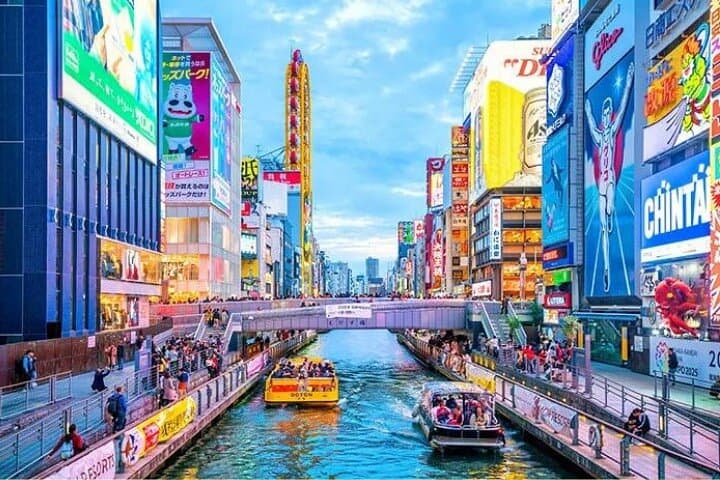
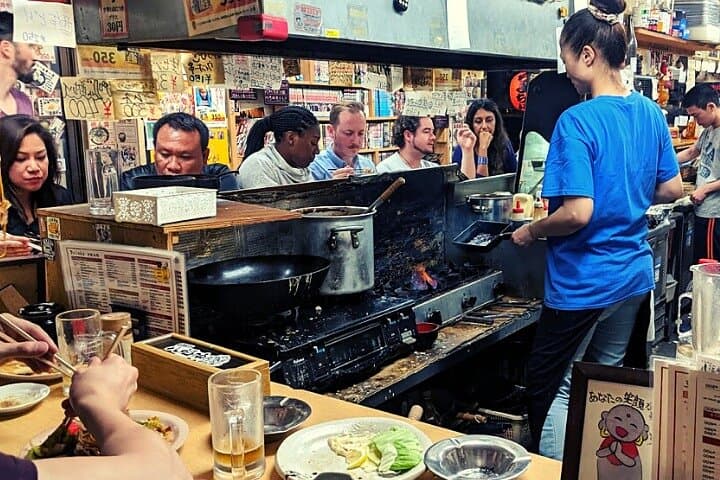
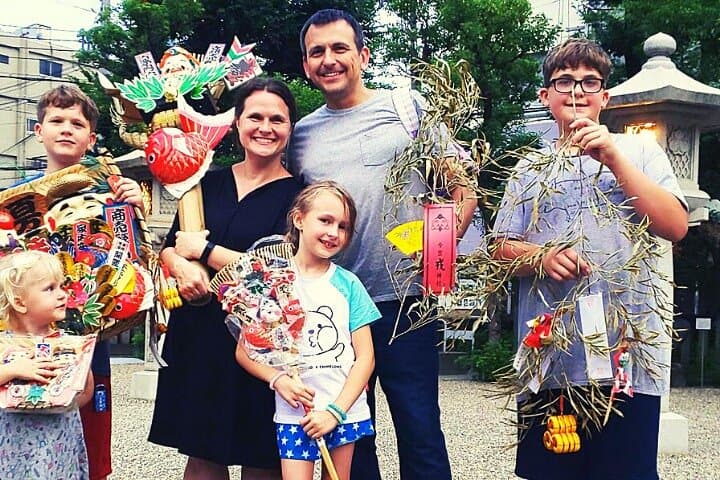
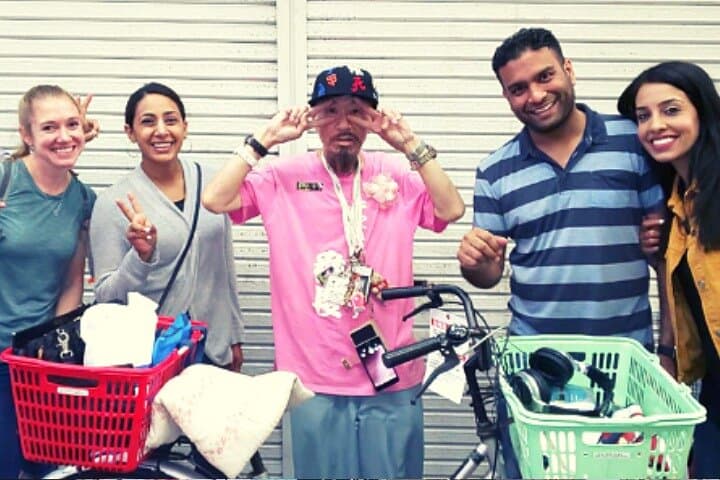
You step out into Namba as the city is shaking off sleep — vendors rolling up stall shutters, neon signs already practicing their evening glare. The Dotonbori River slinks past like a busy artery, daring you to follow; its billboards chatter while pachinko arcades pulse behind them. A local guide threads the group through narrow cobblestone alleys where tile-faced shops keep centuries of craft in their back rooms.
You step out into Namba as the city is shaking off sleep — vendors rolling up stall shutters, neon signs already practicing their evening glare. The Dotonbori River slinks past like a busy artery, daring you to follow; its billboards chatter while pachinko arcades pulse behind them. A local guide threads the group through narrow cobblestone alleys where tile-faced shops keep centuries of craft in their back rooms.
Osaka’s history reads like a merchant’s ledger: a trading hub built on the Yodo River plain that pushed Japan’s economic and cultural exchange forward. Osaka Castle, visible on longer itineraries, marks the city’s military and political turning point in the 16th century. The Kuromon Market shows a different legacy — hands-on food culture with fishmongers still cutting tuna and, occasionally, demonstrating fugu preparation.
This walking tour balances sensory overload with curated context: Dotonbori’s neon, Shinsaibashi’s retail rhythm, Shinsekai’s retro arcades, and tucked-away knife workshops from Sakai on extended private routes. Options run 3–7 hours; choose a shorter group tour for highlights or a private full-day to include Osaka Castle and specialized experiences like a blade-making demo.
Practical edge: wear supportive shoes for uneven cobbles, keep a portable charger for photos, and bring some cash or an ICOCA/Suica card for small vendors. The tour is wheelchair- and stroller-accessible in many sections but routes can be adjusted — check with the operator. Aim for morning or early evening to avoid peak crowds at Dotonbori and to catch market activity at Kuromon. Move at the city’s cadence and the tour will reveal Osaka’s candid, sometimes quirky, and always human side.