THE ADVENTURE COLLECTIVE® · Independent discovery and booking for outdoor travel

Combine Osaka’s skyline and neon with a leafy, 50‑minute walk to Minoh Falls on this eight‑hour private tour. Expect urban landmarks, a short nature hike, and seasonal highlights—especially vivid autumn foliage.
Combine Osaka’s skyline and neon with a leafy, 50‑minute walk to Minoh Falls on this eight‑hour private tour. Expect urban landmarks, a short nature hike, and seasonal highlights—especially vivid autumn foliage.
You leave the city hum and step toward a green slit in the hills—Minoh’s ravine daring you to slow down. The forested track narrows, moss clings to stone, and the steady roar of water grows until the 33‑meter cascade appears, a clean vertical drop framed by maple and cedar.
Verified experiences and guided adventures in the surrounding area.
Operated by MY Travel Consulting · Osaka, Osaka Prefecture
You leave the city hum and step toward a green slit in the hills—Minoh’s ravine daring you to slow down. The forested track narrows, moss clings to stone, and the steady roar of water grows until the 33‑meter cascade appears, a clean vertical drop framed by maple and cedar.
Minoh Park has long been a weekend escape for Osaka residents; its waterfall is a simple, geological story of river-cut rock and seasonal runoff concentrated into one dramatic line. Back in the urban sweep, the Umeda Sky Building’s Floating Garden Observatory offers a counterpoint: engineered panoramas that explain Osaka’s growth from a merchant city to a modern metropolis. Nearby, Shinsaibashi-suji and Dotonbori show the city’s appetite for food and light—covered arcades and neon-lined canals where culture is lived through street stalls and boutiques.
Practical guidance: expect roughly 50 minutes of walking from Minoh Station to the falls (about 2–3 km, gentle uphill), so plan footwear and a steady pace. Trains connect central Osaka to Minoh; the full tour runs about eight hours, combining transit time with 1–3 hour stops at major sights. Autumn brings peak colors and crowds; mornings are best for quieter trails and clearer views from Umeda. Carry water, a light rain layer, and cash for small food stalls—some shops near the park are small and cash-preferred. This itinerary suits travelers who want a readable mix of urban architecture, shopping and an accessible slice of forested Japan without technical hiking demands.
moderate.
8 hours.
A moderate level of fitness is needed for walking 2–3 km on forest paths and navigating urban sights all day.
The walk takes about 50 minutes one‑way, roughly 2–3 km, on a mostly uphill forest path with steps in places.
Yes—many families and older travelers do this tour; everyone should be comfortable with a moderate walk and using public transit.
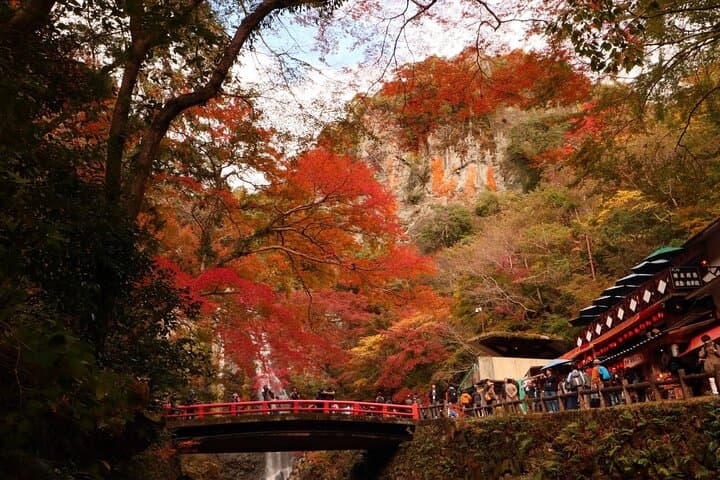
Autumn (mid‑November) is best for fall colors; mornings year‑round are less crowded and offer better light for photos.
The tour includes certain admissions and public transportation fees as noted by the operator, but confirm specifics at booking.
Minoh has been a local recreation area since the Meiji era; the falls have long attracted visitors for seasonal foliage and short pilgrim‑style walks.
The park is managed to balance access with forest health—stick to trails, dispose of waste, and avoid feeding wildlife to reduce human impact.
MY Travel Consulting operates guided outdoor trips and adventures with an emphasis on safety, stewardship, and memorable experiences.
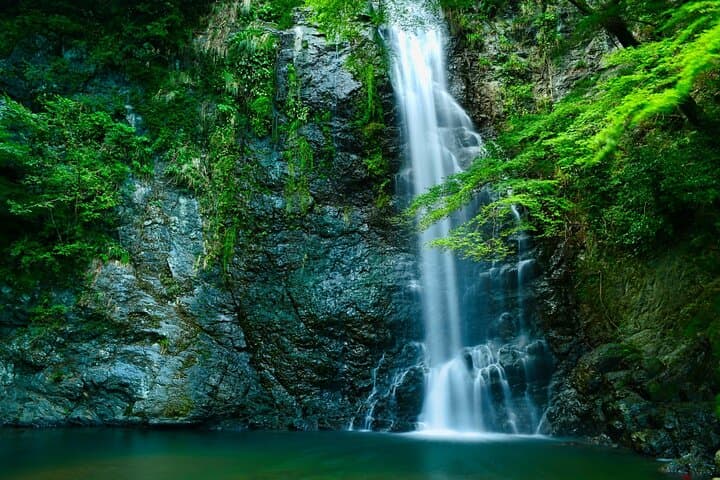
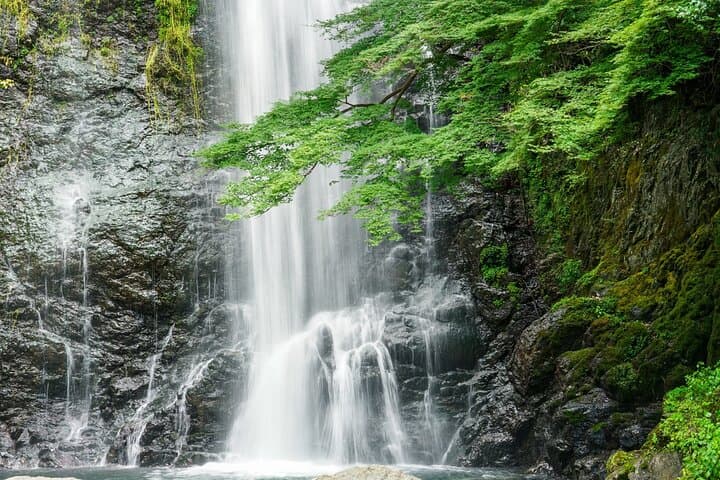
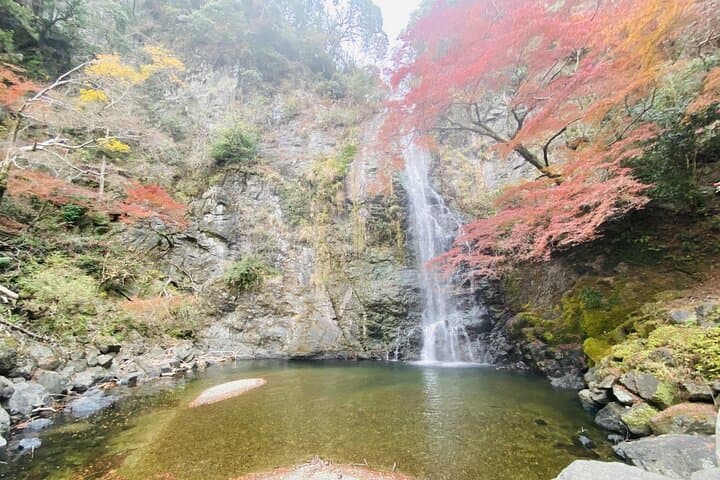
You leave the city hum and step toward a green slit in the hills—Minoh’s ravine daring you to slow down. The forested track narrows, moss clings to stone, and the steady roar of water grows until the 33‑meter cascade appears, a clean vertical drop framed by maple and cedar.
You leave the city hum and step toward a green slit in the hills—Minoh’s ravine daring you to slow down. The forested track narrows, moss clings to stone, and the steady roar of water grows until the 33‑meter cascade appears, a clean vertical drop framed by maple and cedar.
Minoh Park has long been a weekend escape for Osaka residents; its waterfall is a simple, geological story of river-cut rock and seasonal runoff concentrated into one dramatic line. Back in the urban sweep, the Umeda Sky Building’s Floating Garden Observatory offers a counterpoint: engineered panoramas that explain Osaka’s growth from a merchant city to a modern metropolis. Nearby, Shinsaibashi-suji and Dotonbori show the city’s appetite for food and light—covered arcades and neon-lined canals where culture is lived through street stalls and boutiques.
Practical guidance: expect roughly 50 minutes of walking from Minoh Station to the falls (about 2–3 km, gentle uphill), so plan footwear and a steady pace. Trains connect central Osaka to Minoh; the full tour runs about eight hours, combining transit time with 1–3 hour stops at major sights. Autumn brings peak colors and crowds; mornings are best for quieter trails and clearer views from Umeda. Carry water, a light rain layer, and cash for small food stalls—some shops near the park are small and cash-preferred. This itinerary suits travelers who want a readable mix of urban architecture, shopping and an accessible slice of forested Japan without technical hiking demands.