THE ADVENTURE COLLECTIVE® · Independent discovery and booking for outdoor travel

Spend a customizable day exploring Osaka with a local guide—castle grounds, buzzing markets, retro Shinsekai, and neon Dotonbori. This private tour adapts to your interests and pace for an efficient, authentic city immersion.
Spend a customizable day exploring Osaka with a local guide—castle grounds, buzzing markets, retro Shinsekai, and neon Dotonbori. This private tour adapts to your interests and pace for an efficient, authentic city immersion.
You step out of Namba Station and the city greets you with a rush of neon, the Dotonbori canal nudging you toward ramen steam and the clatter of street life. Your local guide falls into step, a map of the city's past and present in their pocket, ready to bend the day to your interests.
Verified experiences and guided adventures in the surrounding area.
Operated by Travel Japan Together · Osaka, Osaka Prefecture
You step out of Namba Station and the city greets you with a rush of neon, the Dotonbori canal nudging you toward ramen steam and the clatter of street life. Your local guide falls into step, a map of the city's past and present in their pocket, ready to bend the day to your interests.
Osaka's story is visible in its layers: the reconstructed stone mass of Osaka Castle from the 16th century, the Edo- and early-Showa-era bones of Shinsekai, and the postwar energy that turned Dotonbori into a dining and entertainment artery. Geologically, Osaka sits on an alluvial plain fed by rivers that shaped its commercial ports; the flat streets make for easy walking and quick reroutes when you want to linger.
Culture here favors flavor and boldness—Osakans are known for being direct and generous with recommendations, especially about food. Expect stops at Kuromon Market for fresh bites, a walk through Hozenji Yokocho's narrow stone lane, and the photogenic giant lantern at Namba Yasaka Shrine.
Practical guidance: this private five-hour tour is customizable—tell your guide if you prefer food-focused, historical, or shopping-heavy routes. Wear comfortable shoes and carry a small wallet with cash for market stalls. Public transport links are excellent; consider an IC transit card to move faster between neighborhoods. Plan mornings for quieter temple visits and evenings for neon-lit Dotonbori energy. If rain threatens, tuck a compact umbrella into your bag—Osaka's weather can change on a subway stop.
easy.
5 hours.
Basic walking fitness; suitable for most people who can walk several blocks and climb short flights of stairs.
Most entry fees, like Osaka Castle interiors or museums, are not included by default—confirm with the guide ahead of time.
Yes; this private tour is designed to be flexible—your guide can adjust the route based on interests and timing.
Food is typically not included so you'll have freedom to sample market stalls and restaurants; tell the guide if you want specific recommendations or reservations.
Central Osaka is mostly flat and accessible, but some narrow lanes and shrine steps may be challenging—inform the operator about mobility needs when booking.
Osaka grew as a rice-trade and merchant hub; Osaka Castle marks its rise in the 16th century while Dotonbori evolved into an entertainment corridor after the Edo period.
Respect market waste rules and bring a reusable bottle—Osaka encourages proper trash sorting and many small shops prefer cashless, low-waste transactions.
Travel Japan Together operates guided outdoor trips and adventures with an emphasis on safety, stewardship, and memorable experiences.
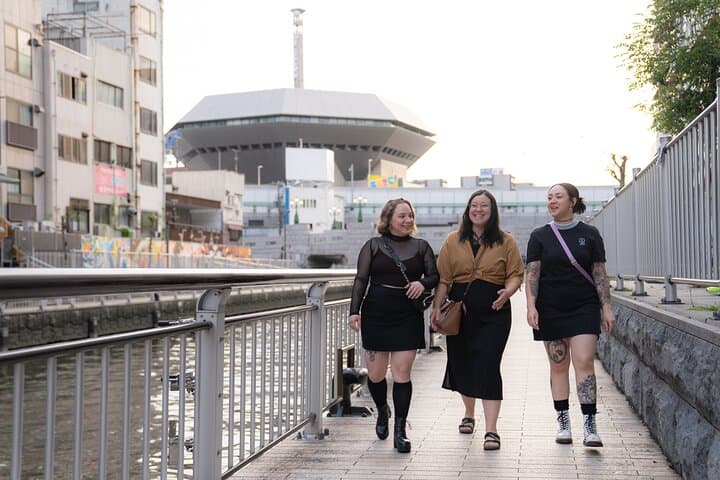
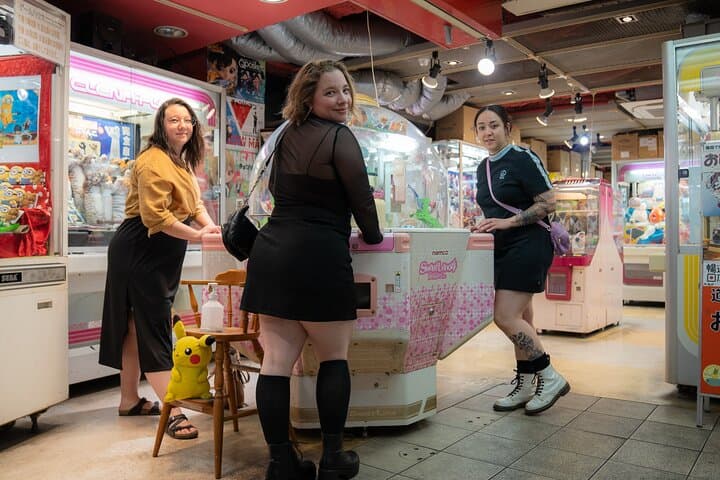
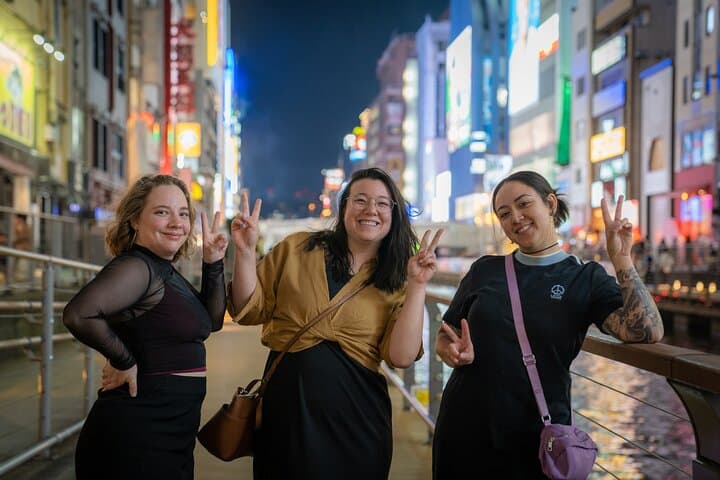

You step out of Namba Station and the city greets you with a rush of neon, the Dotonbori canal nudging you toward ramen steam and the clatter of street life. Your local guide falls into step, a map of the city's past and present in their pocket, ready to bend the day to your interests.
You step out of Namba Station and the city greets you with a rush of neon, the Dotonbori canal nudging you toward ramen steam and the clatter of street life. Your local guide falls into step, a map of the city's past and present in their pocket, ready to bend the day to your interests.
Osaka's story is visible in its layers: the reconstructed stone mass of Osaka Castle from the 16th century, the Edo- and early-Showa-era bones of Shinsekai, and the postwar energy that turned Dotonbori into a dining and entertainment artery. Geologically, Osaka sits on an alluvial plain fed by rivers that shaped its commercial ports; the flat streets make for easy walking and quick reroutes when you want to linger.
Culture here favors flavor and boldness—Osakans are known for being direct and generous with recommendations, especially about food. Expect stops at Kuromon Market for fresh bites, a walk through Hozenji Yokocho's narrow stone lane, and the photogenic giant lantern at Namba Yasaka Shrine.
Practical guidance: this private five-hour tour is customizable—tell your guide if you prefer food-focused, historical, or shopping-heavy routes. Wear comfortable shoes and carry a small wallet with cash for market stalls. Public transport links are excellent; consider an IC transit card to move faster between neighborhoods. Plan mornings for quieter temple visits and evenings for neon-lit Dotonbori energy. If rain threatens, tuck a compact umbrella into your bag—Osaka's weather can change on a subway stop.