THE ADVENTURE COLLECTIVE® · Independent discovery and booking for outdoor travel

Explore Honmachi’s working‑class ramen scene with a local guide who leads you to two insider shops and explains the stories behind each bowl. This private, two‑hour tour combines history, etiquette, and tasty sampling in Osaka’s business district.
Explore Honmachi’s working‑class ramen scene with a local guide who leads you to two insider shops and explains the stories behind each bowl. This private, two‑hour tour combines history, etiquette, and tasty sampling in Osaka’s business district.
You step off Honmachi Station into a workday hum: bicycles clack, suits stream past, and steam curls from a narrow shop doorway where broth breathes its own invitation.
Verified experiences and guided adventures in the surrounding area.
Operated by DeepExperience · Osaka, Osaka Prefecture
You step off Honmachi Station into a workday hum: bicycles clack, suits stream past, and steam curls from a narrow shop doorway where broth breathes its own invitation.
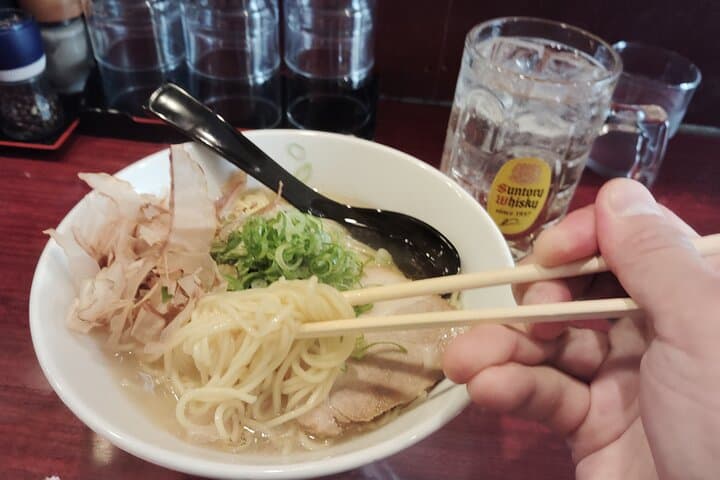
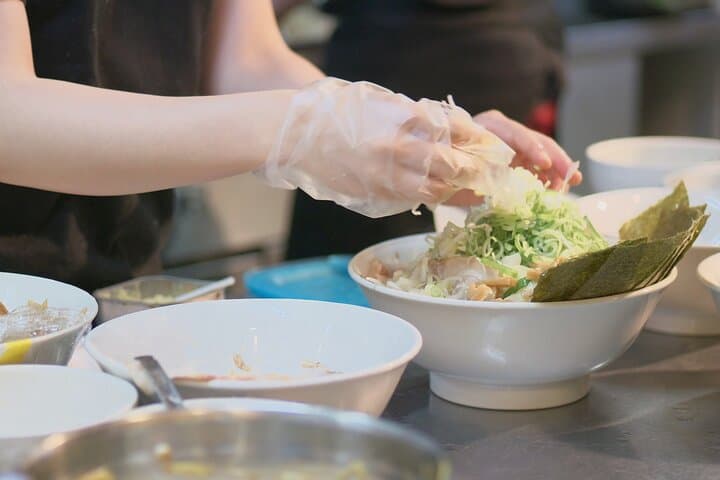
This private two-hour tour follows those steam trails. Honmachi is Osaka’s commercial heart—lunch counters and after-hours counters built around the needs of office workers. Ramen here tells a practical history: imported Chinese techniques, wartime scarcities, and postwar reinvention produced bowls that were fast, filling, and full-flavored. The district’s streets are modern concrete, but the bowls recall layered umami: long-simmered bones, punchy tare, and noodles cut to match the rhythm of a hurried meal.
Culturally, the tour illuminates etiquette—order, slurp, and make space—and the economics of small shops that open at odds that suit the city’s workforce. There’s no geology to the broth, but the food’s evolution maps to Osaka’s mercantile identity: efficient, direct, generous.
Practical guidance: expect close quarters and conversational explanation from a local ramen expert who orders for you and explains each shop’s signature. Bring cash for extras, wear comfortable shoes for short walking between locations, and arrive slightly hungry—portion sizes vary. The tour is wheelchair accessible but not suitable for strict dietary restrictions; shops generally cannot modify recipes. Time your booking around weekday lunch or early evening to see the full local rhythm. Hydrate lightly between bowls and keep a small bag for napkins and a purchase or two—supporting these neighborhood shops keeps the city’s food culture alive.
easy.
2 hours.
Suitable for all activity levels; involves light walking and standing in small restaurants.
Most Honmachi ramen shops use meat or fish broths and cannot alter core recipes; this tour is not suitable for strict vegetarian or vegan diets.
Tipping is not customary; excellent service is the norm—if you wish to express gratitude, a small gift or sincere thanks to your guide is appreciated.
Walking between the two handpicked shops is light—typically a few minutes on flat city streets, suitable for most fitness levels.
The tour notes wheelchair accessibility and transportation options; however, some individual shops may have tight interiors—check with the operator for specifics.
Ramen in Osaka grew from Chinese immigrant influence and postwar necessity—quick, caloric bowls suited to factory and office workers and evolved into regional specialties.
Support local businesses, avoid food waste by pacing tastings, and use reusable napkins or utensils when possible to reduce single‑use plastics.
DeepExperience operates guided outdoor trips and adventures with an emphasis on safety, stewardship, and memorable experiences.
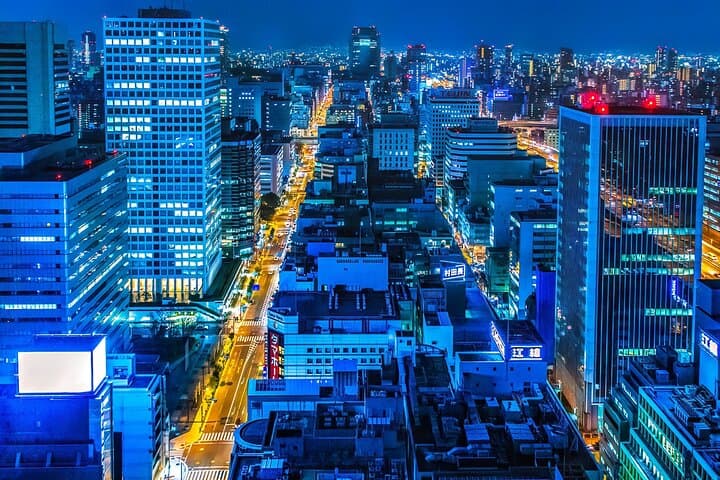
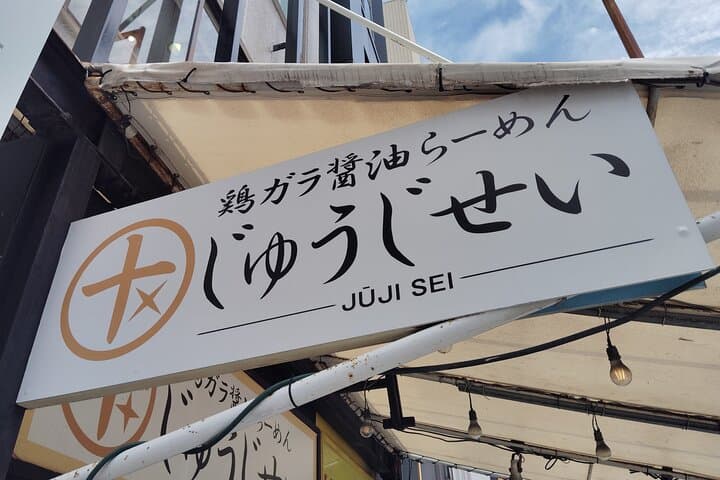
You step off Honmachi Station into a workday hum: bicycles clack, suits stream past, and steam curls from a narrow shop doorway where broth breathes its own invitation.
You step off Honmachi Station into a workday hum: bicycles clack, suits stream past, and steam curls from a narrow shop doorway where broth breathes its own invitation.
This private two-hour tour follows those steam trails. Honmachi is Osaka’s commercial heart—lunch counters and after-hours counters built around the needs of office workers. Ramen here tells a practical history: imported Chinese techniques, wartime scarcities, and postwar reinvention produced bowls that were fast, filling, and full-flavored. The district’s streets are modern concrete, but the bowls recall layered umami: long-simmered bones, punchy tare, and noodles cut to match the rhythm of a hurried meal.
Culturally, the tour illuminates etiquette—order, slurp, and make space—and the economics of small shops that open at odds that suit the city’s workforce. There’s no geology to the broth, but the food’s evolution maps to Osaka’s mercantile identity: efficient, direct, generous.
Practical guidance: expect close quarters and conversational explanation from a local ramen expert who orders for you and explains each shop’s signature. Bring cash for extras, wear comfortable shoes for short walking between locations, and arrive slightly hungry—portion sizes vary. The tour is wheelchair accessible but not suitable for strict dietary restrictions; shops generally cannot modify recipes. Time your booking around weekday lunch or early evening to see the full local rhythm. Hydrate lightly between bowls and keep a small bag for napkins and a purchase or two—supporting these neighborhood shops keeps the city’s food culture alive.