THE ADVENTURE COLLECTIVE® · Independent discovery and booking for outdoor travel

Explore Osaka on foot: three hours through Namba, Dotonbori, Kuromon Market and Shinsekai with a bilingual local guide. A compact, sensory primer that blends food, history, and practical tips for first-time visitors.
Explore Osaka on foot: three hours through Namba, Dotonbori, Kuromon Market and Shinsekai with a bilingual local guide. A compact, sensory primer that blends food, history, and practical tips for first-time visitors.
You step out into a corridor of neon and sound — storefronts flash, the canal murmurs, and the crowd moves like a current pushing you forward toward the next bite or sign. This three-hour guided walk threads Namba and Dotonbori, moving from the clatter of Kuromon Market to the narrow lantern-lit alleys that keep older Osaka's character alive.
Verified experiences and guided adventures in the surrounding area.
Operated by Hungry Osaka Tours · Osaka, Osaka Prefecture
You step out into a corridor of neon and sound — storefronts flash, the canal murmurs, and the crowd moves like a current pushing you forward toward the next bite or sign. This three-hour guided walk threads Namba and Dotonbori, moving from the clatter of Kuromon Market to the narrow lantern-lit alleys that keep older Osaka's character alive.
Osaka grew from a rivers-and-plain landscape into Japan’s merchant heart; the city’s streets still hum with that commercial energy. Kuromon Market has fed the region for more than a century, while Shinsekai preserves early-20th-century industrial Osaka with retro arcades and towering Tsutenkaku peeking overhead. Den Den Town charts the city’s electronics and pop-culture arc, offering a portrait of modern urban appetite.
Geologically, Osaka sits on the alluvial Osaka Plain; the level ground and intersecting waterways made it ideal for trade and food distribution, shaping the neighborhoods you’ll pass. Culturally, the tour stitches together local cuisine, shopcraft, and temple corners — a compact lesson in Osaka’s working-city identity.
Practically: expect three hours of steady walking on pavement, occasional stairs and crowded lanes. Bring local cash for small vendors, wear supportive shoes, and plan the tour for morning if you prefer cooler temperatures and quieter markets. The guide will point out specialties to try and how to order them; listen for timing tips to return on your own later.
This walk is a fast, sensory primer on Osaka that balances street food, historic pockets, and neon spectacle — ideal for first-time visitors who want to feel the city’s pulse and leave with practical directions to explore more on their own.
easy.
3 hours.
Comfortable walking for up to three hours with occasional stairs; moderate stamina recommended for crowds and standing
Yes — the route is stroller-accessible on most sections, though some narrow alleys and steps may require a short lift.
The tour visits markets and vendors where you’ll have opportunities to sample; one non-alcoholic drink is included, but most tastings are pay-as-you-go.
Parts of the itinerary include covered shopping streets and flat canalside paths; however, some alleys and older temple approaches may not be wheelchair-friendly — contact the operator to confirm access needs.
Guides are fully bilingual (English and Japanese) and can provide context, recommendations, and translation during the walk.
Osaka developed as a commercial hub on the Osaka Plain; markets like Kuromon served merchants and sailors for more than a century, shaping the city’s food culture.
Respect stall vendors by minimizing waste and using reusable containers where possible; avoid blocking aisles and follow local rules for separating trash and recycling.
Hungry Osaka Tours operates guided outdoor trips and adventures with an emphasis on safety, stewardship, and memorable experiences.
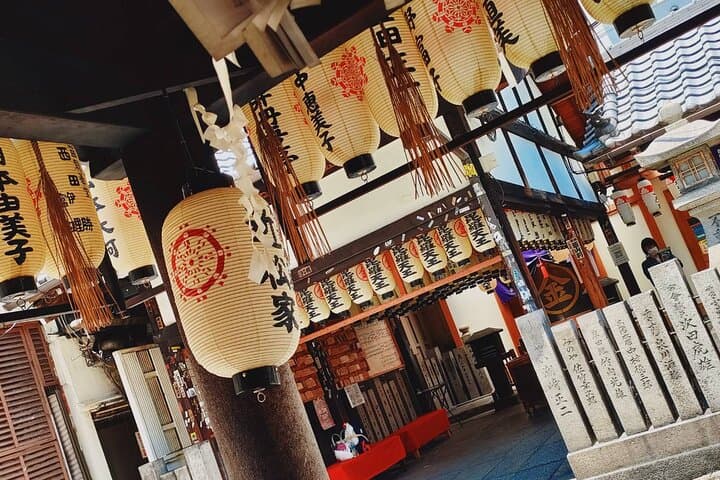
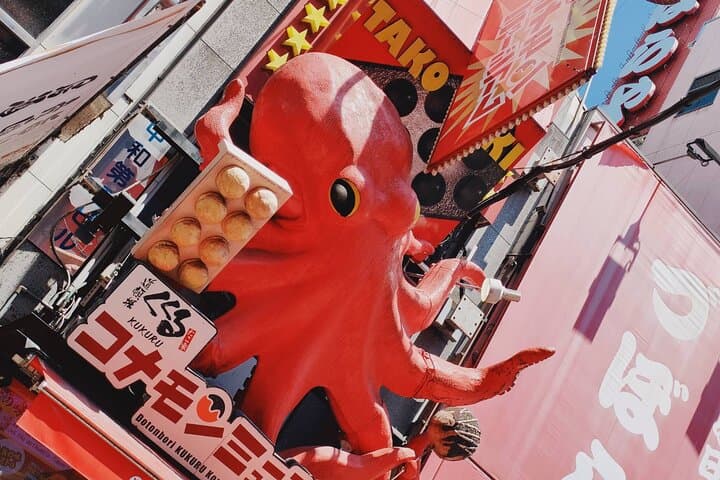
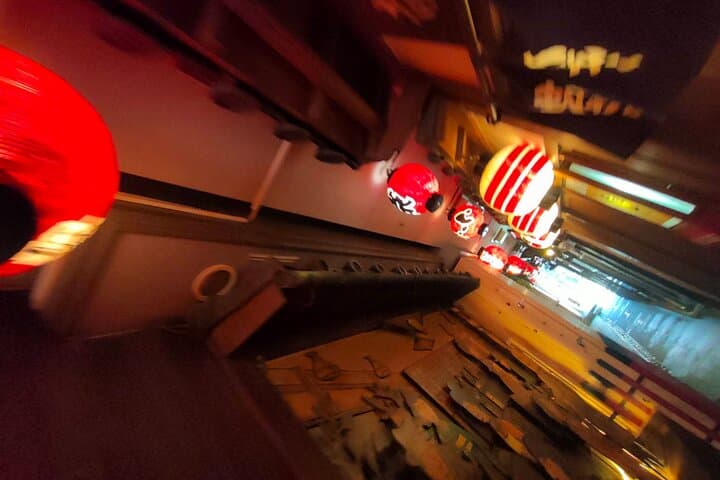
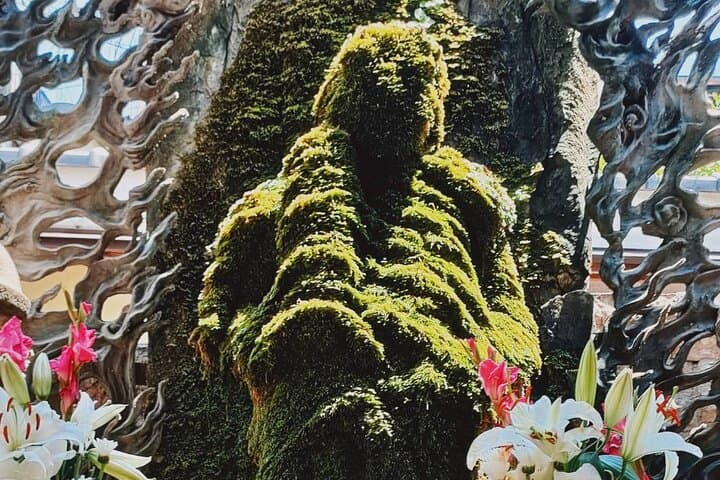
You step out into a corridor of neon and sound — storefronts flash, the canal murmurs, and the crowd moves like a current pushing you forward toward the next bite or sign. This three-hour guided walk threads Namba and Dotonbori, moving from the clatter of Kuromon Market to the narrow lantern-lit alleys that keep older Osaka's character alive.
You step out into a corridor of neon and sound — storefronts flash, the canal murmurs, and the crowd moves like a current pushing you forward toward the next bite or sign. This three-hour guided walk threads Namba and Dotonbori, moving from the clatter of Kuromon Market to the narrow lantern-lit alleys that keep older Osaka's character alive.
Osaka grew from a rivers-and-plain landscape into Japan’s merchant heart; the city’s streets still hum with that commercial energy. Kuromon Market has fed the region for more than a century, while Shinsekai preserves early-20th-century industrial Osaka with retro arcades and towering Tsutenkaku peeking overhead. Den Den Town charts the city’s electronics and pop-culture arc, offering a portrait of modern urban appetite.
Geologically, Osaka sits on the alluvial Osaka Plain; the level ground and intersecting waterways made it ideal for trade and food distribution, shaping the neighborhoods you’ll pass. Culturally, the tour stitches together local cuisine, shopcraft, and temple corners — a compact lesson in Osaka’s working-city identity.
Practically: expect three hours of steady walking on pavement, occasional stairs and crowded lanes. Bring local cash for small vendors, wear supportive shoes, and plan the tour for morning if you prefer cooler temperatures and quieter markets. The guide will point out specialties to try and how to order them; listen for timing tips to return on your own later.
This walk is a fast, sensory primer on Osaka that balances street food, historic pockets, and neon spectacle — ideal for first-time visitors who want to feel the city’s pulse and leave with practical directions to explore more on their own.