THE ADVENTURE COLLECTIVE® · Independent discovery and booking for outdoor travel

Walk through Osaka’s top three neighborhoods—Osaka Castle, retro Shinsekai, and lively Namba—in a focused half‑day guided tour that mixes history, street food, and local color. Perfect for first‑time visitors who want a practical, taste‑first introduction to the city.
Walk through Osaka’s top three neighborhoods—Osaka Castle, retro Shinsekai, and lively Namba—in a focused half‑day guided tour that mixes history, street food, and local color. Perfect for first‑time visitors who want a practical, taste‑first introduction to the city.
The day begins beneath a pale sky, the stone base of Osaka Castle rising like a chapter in a history book while the moat slips light across its surface. Your guide sets the pace: a steady city walk that moves from the castle’s 16th‑century presence to the retro bustle of Shinsekai and the neon-streaked canals of Namba.
Verified experiences and guided adventures in the surrounding area.
Operated by "Explore Shinsekai: Osaka Food & Fun with a Local" · Osaka, Osaka Prefecture
The day begins beneath a pale sky, the stone base of Osaka Castle rising like a chapter in a history book while the moat slips light across its surface. Your guide sets the pace: a steady city walk that moves from the castle’s 16th‑century presence to the retro bustle of Shinsekai and the neon-streaked canals of Namba.
Osaka sits on the flat, alluvial Osaka Plain where rivers once rearranged the land; the castle itself was raised by Toyotomi Hideyoshi in 1583 and rebuilt several times, the current tower restored in the 20th century. Shinsekai, with its Showa‑era amusements and Tsutenkaku tower, feels intentionally of another decade — a lived-in counterpoint to the polished commerce of Namba and Dotonbori’s canals, which catch neon like a dare to linger and taste.
Culturally, Osaka is brash and conversational; locals prize good food and quick humor — kuidaore, “eat until you drop,” is the unofficial city motto. Expect street stalls selling takoyaki and okonomiyaki, narrow alleys, and pockets of quiet shrine space where shoes come off and voices lower.
Practically: plan for 4–5 hours of mostly flat walking on pavement. Wear broken-in walking shoes, carry a small umbrella or light rain shell in case of sun or shower, and bring cash—many tiny stalls are cash‑first. Start mid-morning to avoid commuter crowds and to catch markets fully stocked. Use an IC transit card (ICOCA/Suica) for short tram or subway hops between clusters. Keep your camera charged and your curiosity ready: the tour moves at an urban pace, and the best moments are in food bites, side alleys, and the cadence of a city comfortable with itself.
easy.
4–5 hours.
Suitable for most fitness levels; involves continuous walking on paved city streets with short standing periods
The tour runs about 4–5 hours and covers Osaka Castle, Shinsekai, and Namba with roughly one hour spent at each area.
Admission is usually not included; check the booking details and bring cash or a card if you plan to enter the castle tower.
Yes—this tour is stroller accessible and considered physically easy, though some streets are crowded and may require short lifts over curbs.
The listing specifies an English‑speaking local guide; confirm at booking if you need another language or special assistance.
Osaka Castle was first completed in 1583 by Toyotomi Hideyoshi and rebuilt multiple times; Shinsekai was developed in the early 20th century as an entertainment district.
Stick to marked paths and refrain from feeding wildlife; support family-run stalls and avoid single-use plastics where possible to lessen tourist impact.
"Explore Shinsekai: Osaka Food & Fun with a Local" operates guided outdoor trips and adventures with an emphasis on safety, stewardship, and memorable experiences.
The day begins beneath a pale sky, the stone base of Osaka Castle rising like a chapter in a history book while the moat slips light across its surface. Your guide sets the pace: a steady city walk that moves from the castle’s 16th‑century presence to the retro bustle of Shinsekai and the neon-streaked canals of Namba.
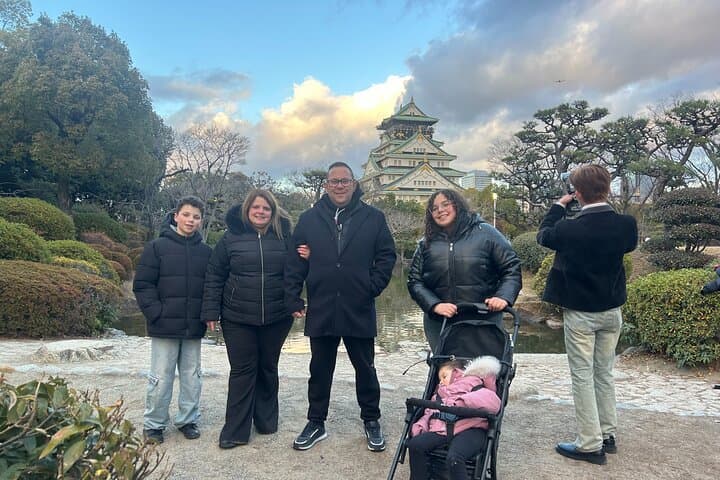
The day begins beneath a pale sky, the stone base of Osaka Castle rising like a chapter in a history book while the moat slips light across its surface. Your guide sets the pace: a steady city walk that moves from the castle’s 16th‑century presence to the retro bustle of Shinsekai and the neon-streaked canals of Namba.
Osaka sits on the flat, alluvial Osaka Plain where rivers once rearranged the land; the castle itself was raised by Toyotomi Hideyoshi in 1583 and rebuilt several times, the current tower restored in the 20th century. Shinsekai, with its Showa‑era amusements and Tsutenkaku tower, feels intentionally of another decade — a lived-in counterpoint to the polished commerce of Namba and Dotonbori’s canals, which catch neon like a dare to linger and taste.
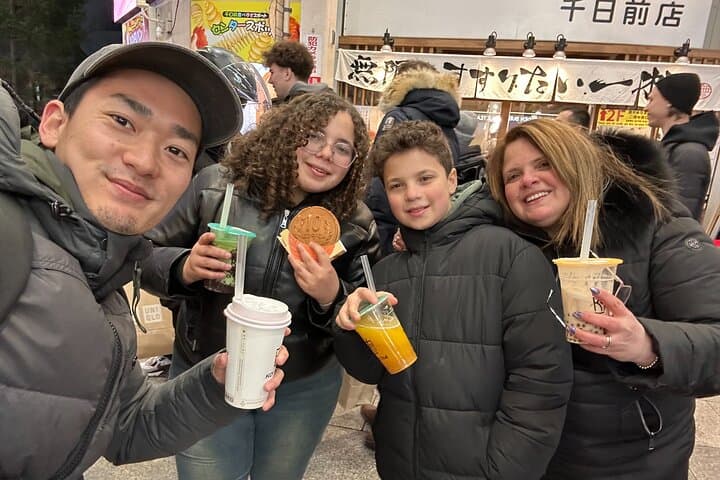
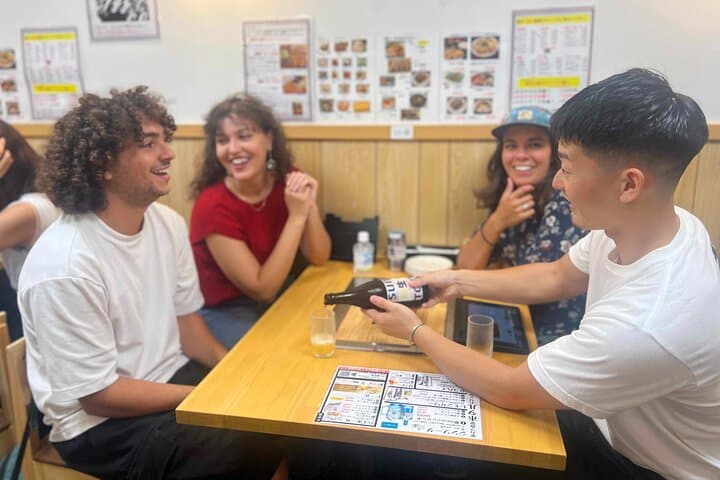
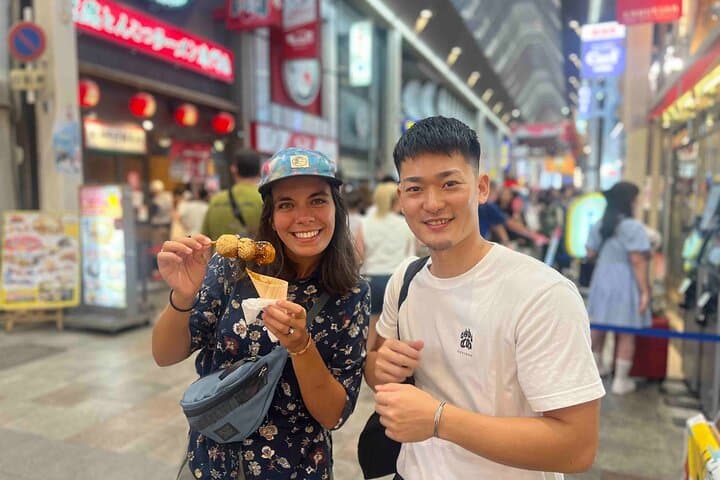
Culturally, Osaka is brash and conversational; locals prize good food and quick humor — kuidaore, “eat until you drop,” is the unofficial city motto. Expect street stalls selling takoyaki and okonomiyaki, narrow alleys, and pockets of quiet shrine space where shoes come off and voices lower.
Practically: plan for 4–5 hours of mostly flat walking on pavement. Wear broken-in walking shoes, carry a small umbrella or light rain shell in case of sun or shower, and bring cash—many tiny stalls are cash‑first. Start mid-morning to avoid commuter crowds and to catch markets fully stocked. Use an IC transit card (ICOCA/Suica) for short tram or subway hops between clusters. Keep your camera charged and your curiosity ready: the tour moves at an urban pace, and the best moments are in food bites, side alleys, and the cadence of a city comfortable with itself.