THE ADVENTURE COLLECTIVE® · Independent discovery and booking for outdoor travel

Explore Osaka’s food culture through a self-guided, smartphone-powered walking quest that mixes ten puzzles with street-food stops and historical stories. Perfect for curious travelers who want to taste—and learn—the heart of Kansai in about an hour.
Explore Osaka’s food culture through a self-guided, smartphone-powered walking quest that mixes ten puzzles with street-food stops and historical stories. Perfect for curious travelers who want to taste—and learn—the heart of Kansai in about an hour.
You step from the subway into neon-sketched night and the smell of grilling batter — takoyaki steam rising like a challenge. The quest begins on Dotonbori’s canal, where giant signage and river reflections dare you to look closer; the city’s flavors are the clues.
Verified experiences and guided adventures in the surrounding area.
Operated by Questo · Osaka, Osaka Prefecture
You step from the subway into neon-sketched night and the smell of grilling batter — takoyaki steam rising like a challenge. The quest begins on Dotonbori’s canal, where giant signage and river reflections dare you to look closer; the city’s flavors are the clues.
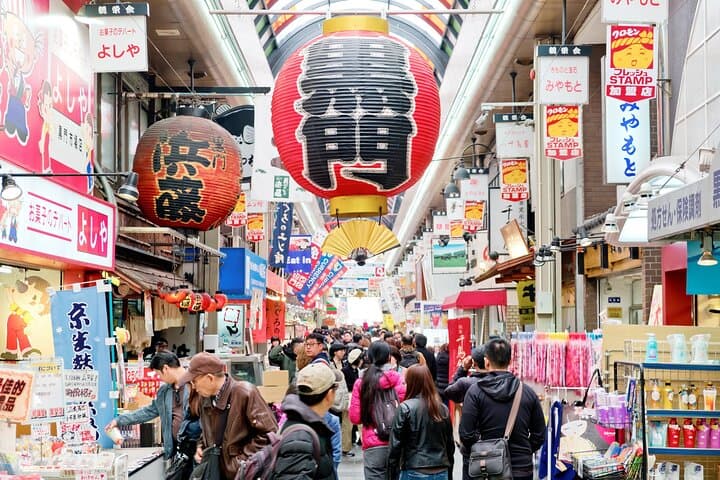
Osaka earned the nickname “Nation’s Kitchen” by supplying rice and seafood to the imperial court in the Edo and Meiji eras; this walk threads those stories through market lanes, temple courtyards, and theater façades. Geologically, you’re on the Osaka alluvial plain — flat streets that opened trade to the sea and encouraged dense urban marketplaces such as Kuromon.
Cultural waypoints include Hozenji Temple, a compact spiritual pause amid commerce, and the National Bunraku Theater, whose puppet drama shaped Kansai identity. The game’s ten smartphone puzzles nudge you to read signs, count ornaments, and sample street specialties — each answer unlocks the next waypoint and a short historical vignette.
Practical edge: allow 60–90 minutes with stops to taste takoyaki, okonomiyaki, and kushikatsu; pace to avoid peak mealtime crowds (early afternoon or after 8pm). Use an internet-enabled phone, keep a portable charger, and carry cash or an IC card for quick food purchases — many stalls are cash-first.
Accessibility is high on level ground, but alleys and crowded streets can be narrow. Be ready to pause often for photos and bites, respect shrines, and take waste with you — local vendors have limited trash bins. The quest blends scavenger-hunt fun with real food discovery: a compact, walkable way to learn Osaka by taste and place.
easy.
1–1.5 hours.
Light walking ability; suitable for most ages and fitness levels, including families with strollers.
Plan 60–90 minutes including brief food stops; longer if you linger at markets or sample several dishes.
No; puzzles and storyline are smartphone-based and written in English, but having simple phrases helps when buying food.
Yes—routes are mostly level and stroller-accessible, though some alleys are narrow and crowded at peak times.
Yes—the mobile access allows pausing and resuming so you can eat, shop, or rest between challenges.
Osaka’s role as a merchant and entertainment hub during the Edo period created dense market districts and theaters like Bunraku’s home in the city.
Street-food vendors produce limited on-site waste; bring a reusable bag for wrappers and use public recycling points where available to reduce litter.
Questo operates guided outdoor trips and adventures with an emphasis on safety, stewardship, and memorable experiences.

You step from the subway into neon-sketched night and the smell of grilling batter — takoyaki steam rising like a challenge. The quest begins on Dotonbori’s canal, where giant signage and river reflections dare you to look closer; the city’s flavors are the clues.
You step from the subway into neon-sketched night and the smell of grilling batter — takoyaki steam rising like a challenge. The quest begins on Dotonbori’s canal, where giant signage and river reflections dare you to look closer; the city’s flavors are the clues.
Osaka earned the nickname “Nation’s Kitchen” by supplying rice and seafood to the imperial court in the Edo and Meiji eras; this walk threads those stories through market lanes, temple courtyards, and theater façades. Geologically, you’re on the Osaka alluvial plain — flat streets that opened trade to the sea and encouraged dense urban marketplaces such as Kuromon.
Cultural waypoints include Hozenji Temple, a compact spiritual pause amid commerce, and the National Bunraku Theater, whose puppet drama shaped Kansai identity. The game’s ten smartphone puzzles nudge you to read signs, count ornaments, and sample street specialties — each answer unlocks the next waypoint and a short historical vignette.
Practical edge: allow 60–90 minutes with stops to taste takoyaki, okonomiyaki, and kushikatsu; pace to avoid peak mealtime crowds (early afternoon or after 8pm). Use an internet-enabled phone, keep a portable charger, and carry cash or an IC card for quick food purchases — many stalls are cash-first.
Accessibility is high on level ground, but alleys and crowded streets can be narrow. Be ready to pause often for photos and bites, respect shrines, and take waste with you — local vendors have limited trash bins. The quest blends scavenger-hunt fun with real food discovery: a compact, walkable way to learn Osaka by taste and place.