THE ADVENTURE COLLECTIVE® · Independent discovery and booking for outdoor travel

Explore Osaka’s food scene on a three-hour guided crawl through Namba and Dotonbori. Taste takoyaki, kushikatsu, izakaya snacks and more while a friendly local guide steers you to authentic, lesser-known spots.
Explore Osaka’s food scene on a three-hour guided crawl through Namba and Dotonbori. Taste takoyaki, kushikatsu, izakaya snacks and more while a friendly local guide steers you to authentic, lesser-known spots.
You step off the subway and the air changes—steam from takoyaki stalls, a chorus of sizzle from griddles, and neon advertising that seems to tug you down narrow alleys. A local guide threads the lanes of Namba, pausing at a kushikatsu stand, urging you to try a crispy skewer; the city answers back in bites and quick laughs.
Verified experiences and guided adventures in the surrounding area.
Operated by Osaka JOINER · Osaka, Osaka Prefecture
You step off the subway and the air changes—steam from takoyaki stalls, a chorus of sizzle from griddles, and neon advertising that seems to tug you down narrow alleys. A local guide threads the lanes of Namba, pausing at a kushikatsu stand, urging you to try a crispy skewer; the city answers back in bites and quick laughs.
Osaka earned its reputation as Japan’s kitchen for a reason: centuries of trade along the Yodo River turned the Osaka Plain into a dense urban market where flavors were traded and refined. Dotonbori’s towering signs watch over a district that grew from merchant networks and Edo-period commerce; nearby Hozen-ji temple offers a quiet contrast where locals pause between meals. The geology here is flat, made of river deposits and reclaimed land, which kept markets clustered and streets compact—ideal for a walking tour.
Expect three hours of close-up eating: street vendors, izakaya snacks, and small sushi counters. Food is not included, so you can pick what appeals—bring cash or an IC card for quick purchases. The pace is moderate with frequent stops; wear comfortable shoes and come hungry but ready to sample small portions. If you have dietary restrictions tell your guide in advance; many spots can accommodate or suggest alternatives.
Practical timing: evenings are busiest and most atmospheric, while late afternoons offer shorter lines. The real reward is local rhythm—restaurants that have served the same recipes for decades, storefronts that dare you to try something new, and a guide who helps you read the menu and the city as you taste it.
easy.
3 hours.
Light walking ability; stairs and standing at counters expected
No—food and drinks are paid by participants so you can choose what and how much to eat.
Yes—inform the operator when booking so the guide can plan alternative stops or menu suggestions.
Shared tours are small (up to eight) with a moderate pace and frequent tasting stops; suitable for most fitness levels.
Tours typically start in Namba and include Dotonbori and nearby alleys; exact meeting point is provided after booking.
Osaka developed as a commercial hub along the Yodo River and earned the nickname 'the nation’s kitchen' for its central role in food distribution and innovation.
Support small eateries and reduce single-use plastics by carrying a reusable bag; many vendors are independent and rely on respectful patronage.
Osaka JOINER operates guided outdoor trips and adventures with an emphasis on safety, stewardship, and memorable experiences.

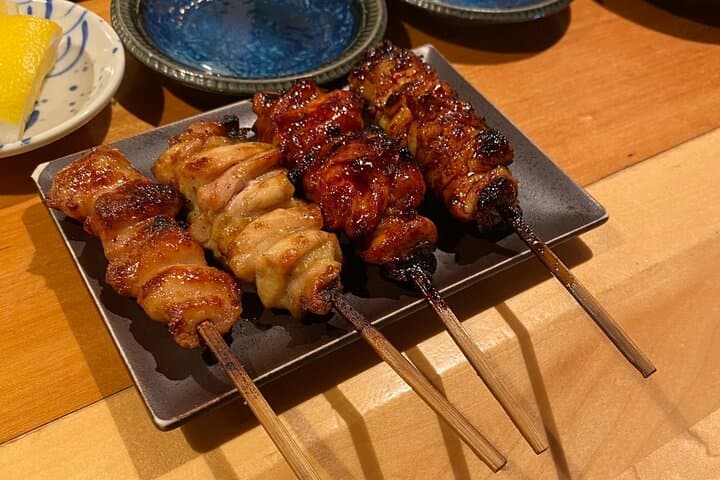


You step off the subway and the air changes—steam from takoyaki stalls, a chorus of sizzle from griddles, and neon advertising that seems to tug you down narrow alleys. A local guide threads the lanes of Namba, pausing at a kushikatsu stand, urging you to try a crispy skewer; the city answers back in bites and quick laughs.
You step off the subway and the air changes—steam from takoyaki stalls, a chorus of sizzle from griddles, and neon advertising that seems to tug you down narrow alleys. A local guide threads the lanes of Namba, pausing at a kushikatsu stand, urging you to try a crispy skewer; the city answers back in bites and quick laughs.
Osaka earned its reputation as Japan’s kitchen for a reason: centuries of trade along the Yodo River turned the Osaka Plain into a dense urban market where flavors were traded and refined. Dotonbori’s towering signs watch over a district that grew from merchant networks and Edo-period commerce; nearby Hozen-ji temple offers a quiet contrast where locals pause between meals. The geology here is flat, made of river deposits and reclaimed land, which kept markets clustered and streets compact—ideal for a walking tour.
Expect three hours of close-up eating: street vendors, izakaya snacks, and small sushi counters. Food is not included, so you can pick what appeals—bring cash or an IC card for quick purchases. The pace is moderate with frequent stops; wear comfortable shoes and come hungry but ready to sample small portions. If you have dietary restrictions tell your guide in advance; many spots can accommodate or suggest alternatives.
Practical timing: evenings are busiest and most atmospheric, while late afternoons offer shorter lines. The real reward is local rhythm—restaurants that have served the same recipes for decades, storefronts that dare you to try something new, and a guide who helps you read the menu and the city as you taste it.