THE ADVENTURE COLLECTIVE® · Independent discovery and booking for outdoor travel

Walk quiet Osaka streets, try a cultural craft, taste shochu from barrel, and finish with yakiniku — a compact, bilingual evening that blends hands-on learning with local flavors. Read on for timing, gear, and insider tips.
Walk quiet Osaka streets, try a cultural craft, taste shochu from barrel, and finish with yakiniku — a compact, bilingual evening that blends hands-on learning with local flavors. Read on for timing, gear, and insider tips.
The lantern-lit alleys off Keihan Doi Station fold inward like pages of a worn guidebook — narrow shopfronts, a shrine tucked between buildings, and the smell of charcoal from nearby yakiniku drifting through the air. You begin on a walking loop through a quieter, more domestic corner of Osaka, where the day’s hum softens and local merchants open bottles of sake for neighbors.
Verified experiences and guided adventures in the surrounding area.
Operated by Welcome to Japan · Osaka, Osaka Prefecture
The lantern-lit alleys off Keihan Doi Station fold inward like pages of a worn guidebook — narrow shopfronts, a shrine tucked between buildings, and the smell of charcoal from nearby yakiniku drifting through the air. You begin on a walking loop through a quieter, more domestic corner of Osaka, where the day’s hum softens and local merchants open bottles of sake for neighbors.
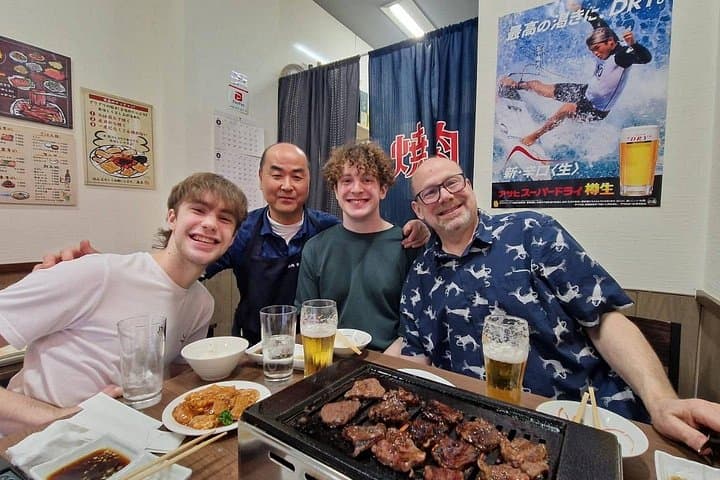
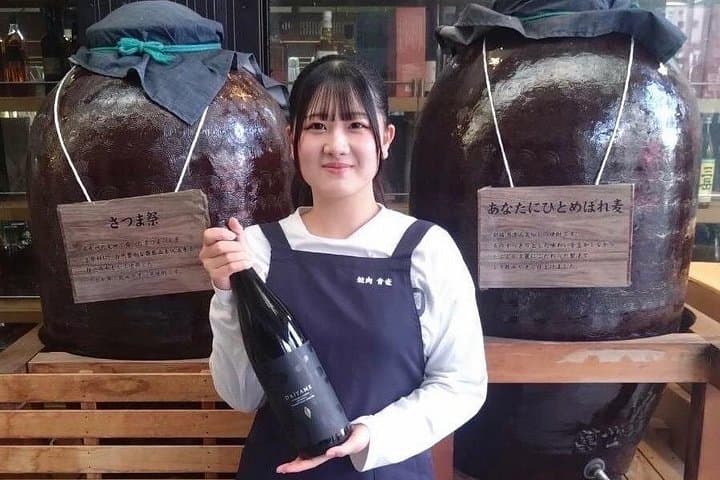
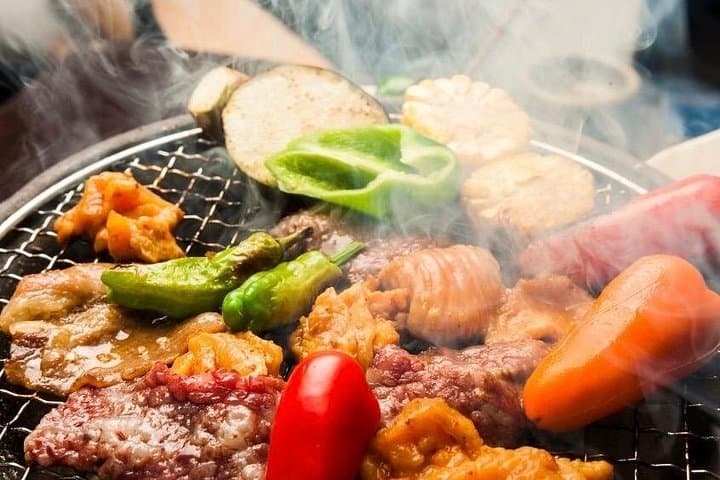
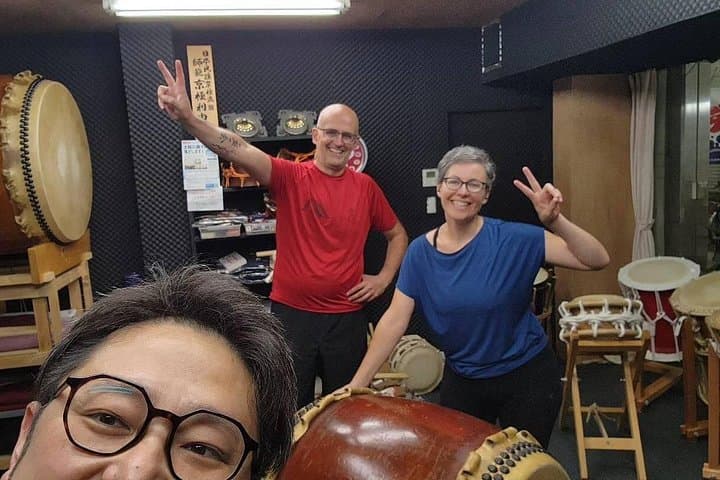
This neighborhood grew during Osaka’s merchant era; the streets remember small-scale trade and neighborhood festivals. Geologically, the Kansai plain is flat here, with terraces once shaped by the Yodo River’s meanders — the level ground made dense urban neighborhoods and compact shopping streets practical. Culturally the tour threads craft and taste: choose a hands-on slot such as taiko drumming, calligraphy, postcard painting, or sushi-making, then transition to a sake shop where an owner explains brewing styles and offers shochu from large barrels. The evening ends with yakiniku led by an English-speaking restaurateur who pairs cuts and pours samples.
Practical guidance: expect light walking on paved streets for about four hours, mostly evening timing when shops and izakaya are active. Bring cash—some small shops prefer it—and a light layer for cool nights. Dietary restrictions are common; notify hosts ahead so the restaurant can adjust. Public transport is convenient; departures from central Osaka run late, but confirm the last train on your schedule. Pace tastings to avoid overindulging and keep a charger handy for photos.
easy.
4 hours.
Suitable for most fitness levels; expect 1–3 miles of easy walking with occasional stairs.
Children can join but infants are usually expected to sit on an adult’s lap; check age policies with the operator and book accordingly.
The experience typically includes cultural activities and a sake tasting followed by a yakiniku dinner; confirm inclusions when booking.
Expect light urban walking — roughly 1–3 miles on paved streets with a few short staircases, suitable for most visitors.
No—an English-speaking host or restaurant owner usually accompanies the tour, though local interactions may be brief.
This part of Osaka developed as a merchant and neighborhood district tied to river trade; small shrines and long-standing shops reflect that working-class urban history.
Support local businesses and minimize single-use plastics; if visiting shrines, follow posted rules and avoid disturbing offerings.
Welcome to Japan operates guided outdoor trips and adventures with an emphasis on safety, stewardship, and memorable experiences.
The lantern-lit alleys off Keihan Doi Station fold inward like pages of a worn guidebook — narrow shopfronts, a shrine tucked between buildings, and the smell of charcoal from nearby yakiniku drifting through the air. You begin on a walking loop through a quieter, more domestic corner of Osaka, where the day’s hum softens and local merchants open bottles of sake for neighbors.
The lantern-lit alleys off Keihan Doi Station fold inward like pages of a worn guidebook — narrow shopfronts, a shrine tucked between buildings, and the smell of charcoal from nearby yakiniku drifting through the air. You begin on a walking loop through a quieter, more domestic corner of Osaka, where the day’s hum softens and local merchants open bottles of sake for neighbors.
This neighborhood grew during Osaka’s merchant era; the streets remember small-scale trade and neighborhood festivals. Geologically, the Kansai plain is flat here, with terraces once shaped by the Yodo River’s meanders — the level ground made dense urban neighborhoods and compact shopping streets practical. Culturally the tour threads craft and taste: choose a hands-on slot such as taiko drumming, calligraphy, postcard painting, or sushi-making, then transition to a sake shop where an owner explains brewing styles and offers shochu from large barrels. The evening ends with yakiniku led by an English-speaking restaurateur who pairs cuts and pours samples.
Practical guidance: expect light walking on paved streets for about four hours, mostly evening timing when shops and izakaya are active. Bring cash—some small shops prefer it—and a light layer for cool nights. Dietary restrictions are common; notify hosts ahead so the restaurant can adjust. Public transport is convenient; departures from central Osaka run late, but confirm the last train on your schedule. Pace tastings to avoid overindulging and keep a charger handy for photos.