THE ADVENTURE COLLECTIVE® · Independent discovery and booking for outdoor travel

Walk from the broad stones of Osaka Castle Park into the neon thrust of Dotonbori on a guided city tour that mixes history, street food, and local neighborhoods. Choose 4, 6, or 8 hours to match your pace and appetite for discovery.
Walk from the broad stones of Osaka Castle Park into the neon thrust of Dotonbori on a guided city tour that mixes history, street food, and local neighborhoods. Choose 4, 6, or 8 hours to match your pace and appetite for discovery.
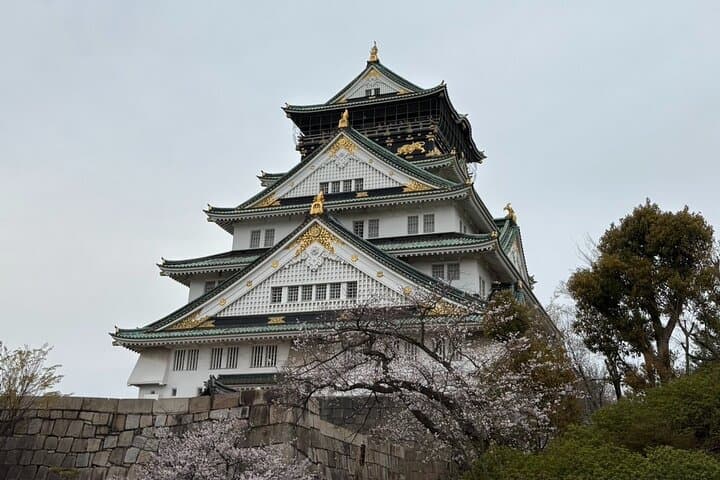
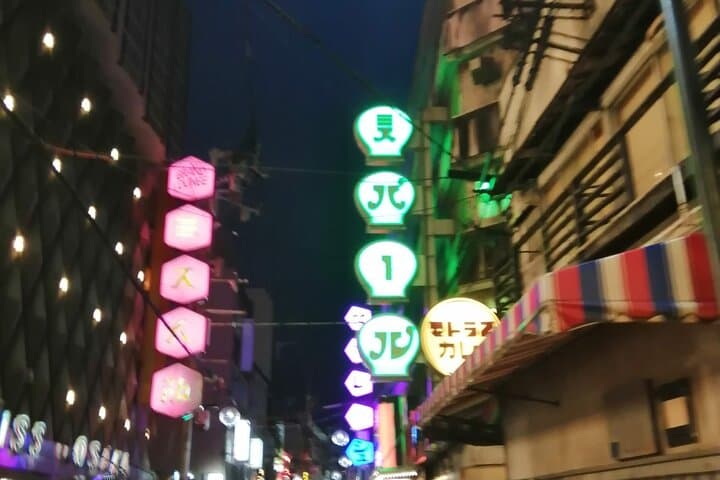
Stand beneath the broad stone walls of Osaka Castle Park as morning light hits the restored main keep; later, let neon along the Dotonbori canal dare you into the evening crowd. This walking tour threads those extremes—quiet parkland and electric streets—so each step alternates history with everyday city life.
Verified experiences and guided adventures in the surrounding area.
Operated by MEGUMI · Osaka, Osaka
Stand beneath the broad stone walls of Osaka Castle Park as morning light hits the restored main keep; later, let neon along the Dotonbori canal dare you into the evening crowd. This walking tour threads those extremes—quiet parkland and electric streets—so each step alternates history with everyday city life.
Osaka's story is visible in its layers: Toyotomi Hideyoshi's late-16th-century castle rebuilt and modernized after fires and war, the commercial grit of Tenjinbashi-suji—Japan's longest shopping arcade—and the canal district that grew into a nightlife spine. Geologically the plain around Osaka is reclaimed river delta, which explains the wide promenades and shallow moats that shape sightlines across the city.
Expect paved routes, short stair sections at some sites, and lots of stopping to enter side streets, markets, and viewpoints. Guides point out architectural details, local food customs—takoyaki stalls and kushikatsu etiquette—and practical navigation tips for the subway and IC cards. The tour is offered in 4-, 6-, or 8-hour options; a full-day pace means 8–12 kilometers of walking on mostly flat terrain.
Plan for humidity in summer, sudden spring showers, and crowded evenings in Dotonbori. Carry small cash for street food and shrine donations, a compact umbrella, and comfortable shoes; a lightweight charger keeps your phone ready for photos and transit apps. Mornings are best for castle photos and smaller crowds; evenings give the canal its cinematic glow. With moderate fitness and sensible gear, this walk delivers a concise yet layered portrait of Osaka's past and present.
easy.
4–8 hours.
Light to moderate; participants should be comfortable walking several kilometers with occasional stair climbs.
No; entrance to Osaka Castle Museum and paid attractions are not included—bring cash or card for tickets.
Meeting and end points vary by operator, often near Osaka Castle or a central subway station; confirm on your booking voucher.
Yes—routes are mostly flat and guides can adjust pace; notify organizers of mobility needs when booking.
Guides commonly speak English and Japanese; availability of other languages depends on the operator—check at booking.
Osaka Castle was built by Toyotomi Hideyoshi in the late 16th century and reconstructed multiple times; the current main keep dates to a 20th-century restoration housing a museum.
High foot traffic around historic sites requires respect for protected features—use designated paths, avoid climbing on walls, and don't feed wildlife.
MEGUMI operates guided outdoor trips and adventures with an emphasis on safety, stewardship, and memorable experiences.

Stand beneath the broad stone walls of Osaka Castle Park as morning light hits the restored main keep; later, let neon along the Dotonbori canal dare you into the evening crowd. This walking tour threads those extremes—quiet parkland and electric streets—so each step alternates history with everyday city life.
Stand beneath the broad stone walls of Osaka Castle Park as morning light hits the restored main keep; later, let neon along the Dotonbori canal dare you into the evening crowd. This walking tour threads those extremes—quiet parkland and electric streets—so each step alternates history with everyday city life.
Osaka's story is visible in its layers: Toyotomi Hideyoshi's late-16th-century castle rebuilt and modernized after fires and war, the commercial grit of Tenjinbashi-suji—Japan's longest shopping arcade—and the canal district that grew into a nightlife spine. Geologically the plain around Osaka is reclaimed river delta, which explains the wide promenades and shallow moats that shape sightlines across the city.
Expect paved routes, short stair sections at some sites, and lots of stopping to enter side streets, markets, and viewpoints. Guides point out architectural details, local food customs—takoyaki stalls and kushikatsu etiquette—and practical navigation tips for the subway and IC cards. The tour is offered in 4-, 6-, or 8-hour options; a full-day pace means 8–12 kilometers of walking on mostly flat terrain.
Plan for humidity in summer, sudden spring showers, and crowded evenings in Dotonbori. Carry small cash for street food and shrine donations, a compact umbrella, and comfortable shoes; a lightweight charger keeps your phone ready for photos and transit apps. Mornings are best for castle photos and smaller crowds; evenings give the canal its cinematic glow. With moderate fitness and sensible gear, this walk delivers a concise yet layered portrait of Osaka's past and present.