THE ADVENTURE COLLECTIVE® · Independent discovery and booking for outdoor travel

A practical, full-day private walking tour through Osaka’s architectural peaks, historic castle grounds, and hectic food markets. Expect city viewpoints, street-food tastings, and a guided introduction to Osaka’s layered history.
A practical, full-day private walking tour through Osaka’s architectural peaks, historic castle grounds, and hectic food markets. Expect city viewpoints, street-food tastings, and a guided introduction to Osaka’s layered history.
Morning light slices between glass towers as the tour gathers beneath the Umeda skyline. Participants step up to the Floating Garden Observatory, where wind and height sharpen the city’s edges; later, the air softens around Osaka Castle’s stone walls and the castle moat moves like a slow, reflective river. By midday the guide leads the group through Kuromon Market’s narrow aisles—knife-sharp fish counters and steaming takoyaki stalls—and finishes where neon and river reflections compete for attention in Dotonbori.
Verified experiences and guided adventures in the surrounding area.
Operated by Naoki · Osaka, Osaka Prefecture
Morning light slices between glass towers as the tour gathers beneath the Umeda skyline. Participants step up to the Floating Garden Observatory, where wind and height sharpen the city’s edges; later, the air softens around Osaka Castle’s stone walls and the castle moat moves like a slow, reflective river. By midday the guide leads the group through Kuromon Market’s narrow aisles—knife-sharp fish counters and steaming takoyaki stalls—and finishes where neon and river reflections compete for attention in Dotonbori.
Osaka’s streets tell layered stories: Toyotomi Hideyoshi’s castle-era power plays, Edo and Meiji urban growth, and modern postwar commercial reinvention. Geologically the plain sits on alluvial fills from the Yodo River, which historically shaped trade and the city’s grid. Culturally the route moves from samurai-era monuments to living foodways—Okonomiyaki and takoyaki are as much local ritual as snack.
Practical guidance: the full itinerary runs about six hours and covers several kilometers of urban walking with staircases at viewpoints and the castle museum; expect roughly 3–6 km of on-foot movement interspersed with guided stops. Entrance fees for observatories and some castle exhibits are typically paid on site (roughly JPY 600–2,000). Bring comfortable shoes, small local currency for market stalls, and a transit card if you prefer to skip short transfers. Aim for morning starts to avoid both midafternoon heat and evening dining crowds in Dotonbori. The tour is private for up to six people and is ideal for travelers who want a compact, guided introduction to Osaka’s architecture, food, and history.
easy.
6 hours.
Suitable for people who can walk several kilometers and climb stairs; casual fitness sufficient.
No—those admission fees are typically paid on site by guests; expect roughly JPY 600–2,000 depending on exhibits.
Yes—this private tour notes stroller accessibility, but expect stairs at certain viewpoints and the castle grounds.
The itinerary includes time in Kuromon Market and Dotonbori for street food and casual stands; full meals can be arranged at additional cost.
The guide may use short public-transit hops; public transportation is readily available nearby and an IC card is handy.
Osaka Castle was built by Toyotomi Hideyoshi in the late 16th century and later rebuilt under the Tokugawa shogunate; the current structure has undergone modern restorations.
Respect local waste separation and carry out any disposable food packaging; popular market areas are sensitive to litter and local businesses rely on responsible tourism.
Naoki operates guided outdoor trips and adventures with an emphasis on safety, stewardship, and memorable experiences.
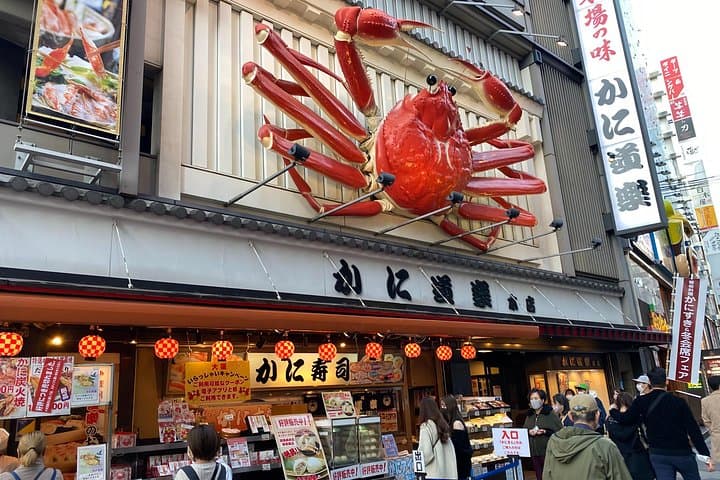
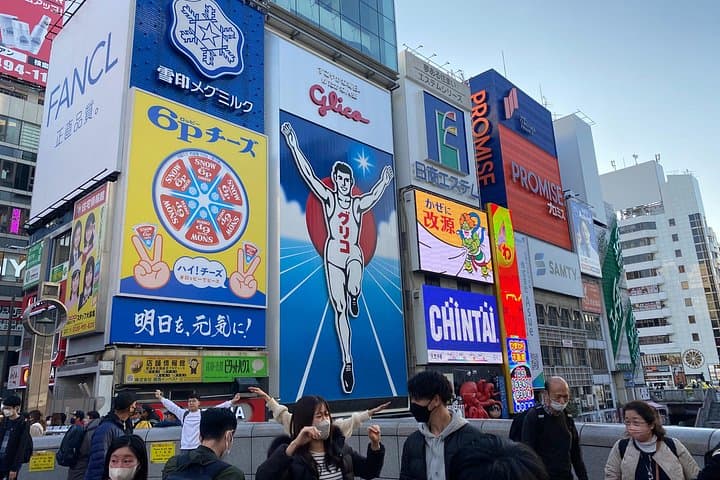
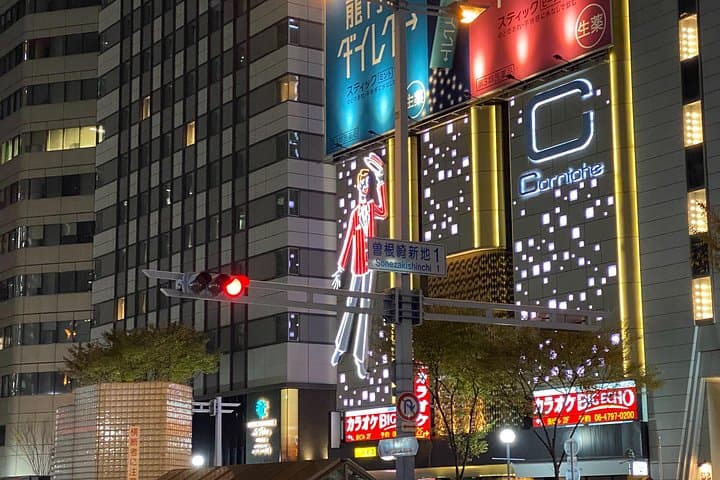
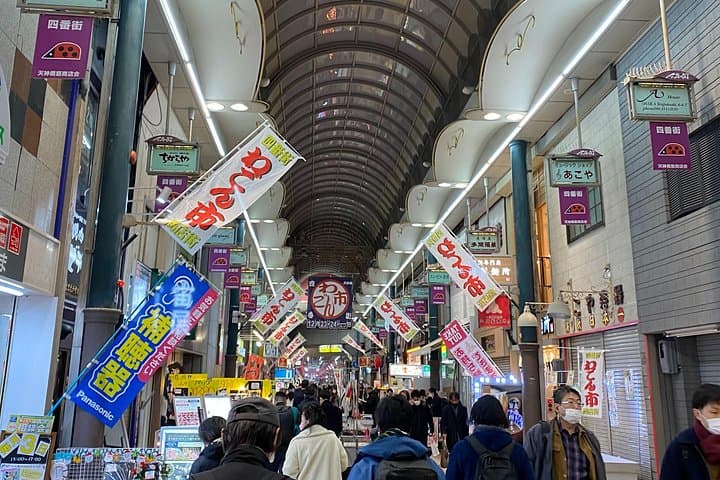
Morning light slices between glass towers as the tour gathers beneath the Umeda skyline. Participants step up to the Floating Garden Observatory, where wind and height sharpen the city’s edges; later, the air softens around Osaka Castle’s stone walls and the castle moat moves like a slow, reflective river. By midday the guide leads the group through Kuromon Market’s narrow aisles—knife-sharp fish counters and steaming takoyaki stalls—and finishes where neon and river reflections compete for attention in Dotonbori.
Morning light slices between glass towers as the tour gathers beneath the Umeda skyline. Participants step up to the Floating Garden Observatory, where wind and height sharpen the city’s edges; later, the air softens around Osaka Castle’s stone walls and the castle moat moves like a slow, reflective river. By midday the guide leads the group through Kuromon Market’s narrow aisles—knife-sharp fish counters and steaming takoyaki stalls—and finishes where neon and river reflections compete for attention in Dotonbori.
Osaka’s streets tell layered stories: Toyotomi Hideyoshi’s castle-era power plays, Edo and Meiji urban growth, and modern postwar commercial reinvention. Geologically the plain sits on alluvial fills from the Yodo River, which historically shaped trade and the city’s grid. Culturally the route moves from samurai-era monuments to living foodways—Okonomiyaki and takoyaki are as much local ritual as snack.
Practical guidance: the full itinerary runs about six hours and covers several kilometers of urban walking with staircases at viewpoints and the castle museum; expect roughly 3–6 km of on-foot movement interspersed with guided stops. Entrance fees for observatories and some castle exhibits are typically paid on site (roughly JPY 600–2,000). Bring comfortable shoes, small local currency for market stalls, and a transit card if you prefer to skip short transfers. Aim for morning starts to avoid both midafternoon heat and evening dining crowds in Dotonbori. The tour is private for up to six people and is ideal for travelers who want a compact, guided introduction to Osaka’s architecture, food, and history.