THE ADVENTURE COLLECTIVE® · Independent discovery and booking for outdoor travel

Spend a private day in Osaka with a chef-guide, moving from Castle grounds to Dōtonbori’s neon canyons, a fresh-lunch at Kuromon Market, and the utensil emporiums of Kitchen Town. Expect history, hands-on insight, and a steady flow of tastes.
Spend a private day in Osaka with a chef-guide, moving from Castle grounds to Dōtonbori’s neon canyons, a fresh-lunch at Kuromon Market, and the utensil emporiums of Kitchen Town. Expect history, hands-on insight, and a steady flow of tastes.
Morning light hits the moat as your chef-guide waits beneath the stone ramparts of Osaka Castle — the city exhales steam from street grills and the day begins with purpose. This full-day, private walking tour threads historic sites and food neighborhoods into a practical, flavor-first route: castle grounds and gardens, the neon rush of Dōtonbori, a market lunch at Kuromon, browsing in Kappabashi (“Kitchen Town”), a quiet pause at Namba Yasaka Shrine, and the retro streets of Shinsekai.
Verified experiences and guided adventures in the surrounding area.
Operated by MAKASETE LLC · Osaka, Osaka Prefecture
Morning light hits the moat as your chef-guide waits beneath the stone ramparts of Osaka Castle — the city exhales steam from street grills and the day begins with purpose. This full-day, private walking tour threads historic sites and food neighborhoods into a practical, flavor-first route: castle grounds and gardens, the neon rush of Dōtonbori, a market lunch at Kuromon, browsing in Kappabashi (“Kitchen Town”), a quiet pause at Namba Yasaka Shrine, and the retro streets of Shinsekai.
Osaka’s identity as Japan’s commercial kitchen grew from its role as a rice-and-merchant hub in the Edo and Meiji eras; the city refined techniques for grilling, battering and quick-market trade that still shape its street food. Geology matters here too — the flat, alluvial plain of the Osaka Basin made dense neighborhoods and market streets possible, concentrating tastes and techniques.
Cultural notes: expect lively vendor banter, etiquette around shrine visits, and knife shops packed with century-old brands. Your guide, a working chef, explains ingredient choices, regional provenance and cooking tools as you taste.
Practical guidance: the day covers several miles on mostly paved urban streets with staircases inside historic sites; wear supportive shoes, carry a small daypack, and bring cash for market snacks not covered by the itinerary. Inform the operator of dietary restrictions in advance. Schedule timing avoids peak evening crowds in Dōtonbori but allows enough time for market browsing and hands-on explanation. Hydrate frequently: sampling is continuous but paced — this is a walking food course, not a sit-down marathon.
moderate.
8 hours.
Moderate — able to walk 3–5 miles over varied urban terrain and climb stairs; comfortable standing for tastings
The itinerary includes a guided lunch at Kuromon Market and tastings, but some additional market purchases or specialty items may be at your own expense.
Yes — the chef-guide can handle vegetarian, vegan and gluten-free requests if notified at booking via the special requirements field.
The guide can meet you at your hotel or a central meeting point; confirm the pickup point when booking.
Children are welcome, but infants should sit on a guardian’s lap during transfers; the tour involves substantial walking and sensory experiences.
Osaka evolved as Japan’s rice-distribution and merchant center; its market culture and emphasis on street food grew from that commercial backbone during Edo and Meiji periods.
Support small vendors by avoiding single-use plastics where possible, minimizing food waste by sampling thoughtfully, and respecting shrine and park rules to protect fragile urban green spaces.
MAKASETE LLC operates guided outdoor trips and adventures with an emphasis on safety, stewardship, and memorable experiences.
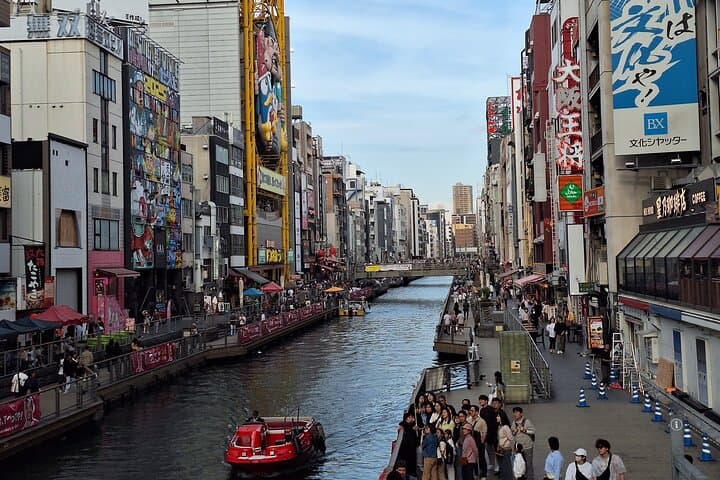
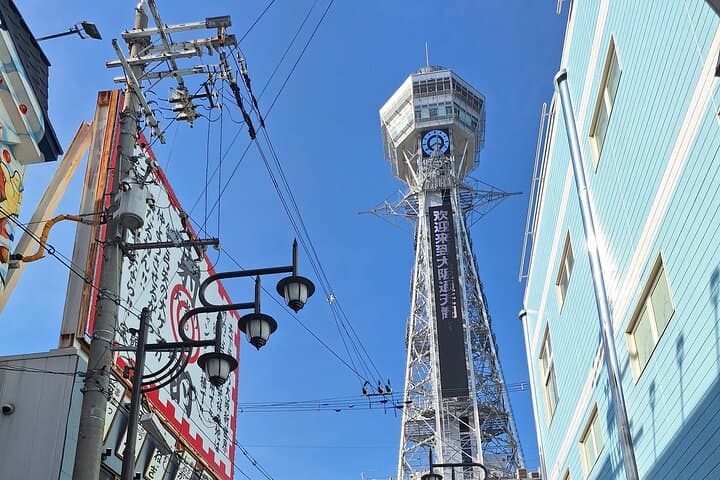
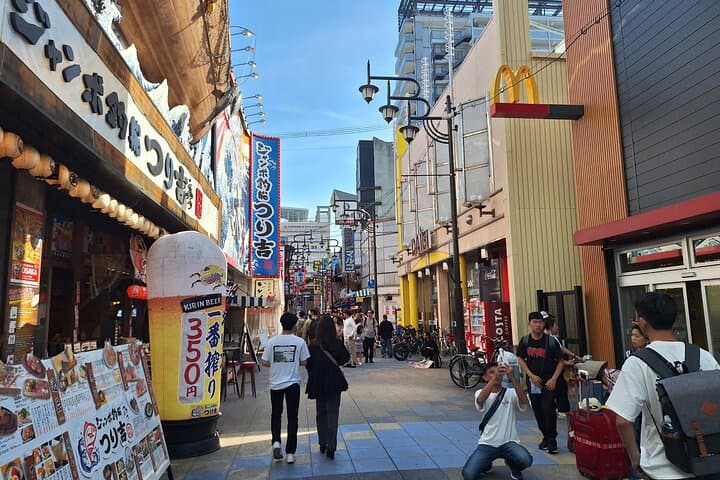
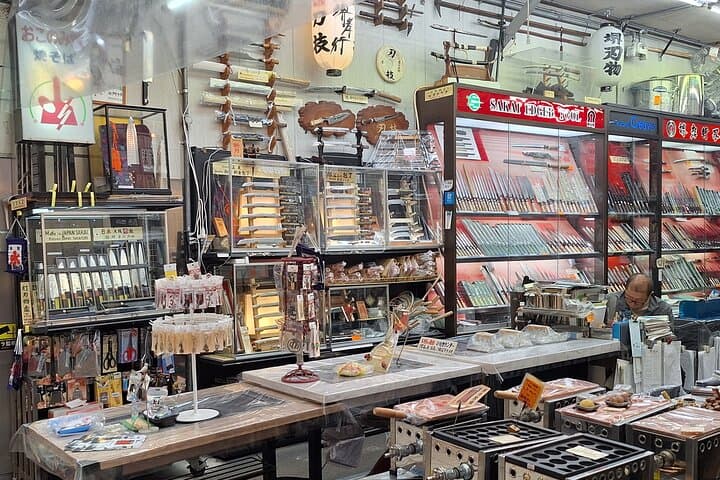
Morning light hits the moat as your chef-guide waits beneath the stone ramparts of Osaka Castle — the city exhales steam from street grills and the day begins with purpose. This full-day, private walking tour threads historic sites and food neighborhoods into a practical, flavor-first route: castle grounds and gardens, the neon rush of Dōtonbori, a market lunch at Kuromon, browsing in Kappabashi (“Kitchen Town”), a quiet pause at Namba Yasaka Shrine, and the retro streets of Shinsekai.
Morning light hits the moat as your chef-guide waits beneath the stone ramparts of Osaka Castle — the city exhales steam from street grills and the day begins with purpose. This full-day, private walking tour threads historic sites and food neighborhoods into a practical, flavor-first route: castle grounds and gardens, the neon rush of Dōtonbori, a market lunch at Kuromon, browsing in Kappabashi (“Kitchen Town”), a quiet pause at Namba Yasaka Shrine, and the retro streets of Shinsekai.
Osaka’s identity as Japan’s commercial kitchen grew from its role as a rice-and-merchant hub in the Edo and Meiji eras; the city refined techniques for grilling, battering and quick-market trade that still shape its street food. Geology matters here too — the flat, alluvial plain of the Osaka Basin made dense neighborhoods and market streets possible, concentrating tastes and techniques.
Cultural notes: expect lively vendor banter, etiquette around shrine visits, and knife shops packed with century-old brands. Your guide, a working chef, explains ingredient choices, regional provenance and cooking tools as you taste.
Practical guidance: the day covers several miles on mostly paved urban streets with staircases inside historic sites; wear supportive shoes, carry a small daypack, and bring cash for market snacks not covered by the itinerary. Inform the operator of dietary restrictions in advance. Schedule timing avoids peak evening crowds in Dōtonbori but allows enough time for market browsing and hands-on explanation. Hydrate frequently: sampling is continuous but paced — this is a walking food course, not a sit-down marathon.