THE ADVENTURE COLLECTIVE® · Independent discovery and booking for outdoor travel

Skip the queues and get straight into Osaka Castle Museum—the eight floors trace the castle’s rise, wartime scars and reconstruction, finishing with a panoramic rooftop view of the city. This skip-the-line ticket turns what can be a rushed stop into a measured visit with time for exhibits and the grounds.
Skip the queues and get straight into Osaka Castle Museum—the eight floors trace the castle’s rise, wartime scars and reconstruction, finishing with a panoramic rooftop view of the city. This skip-the-line ticket turns what can be a rushed stop into a measured visit with time for exhibits and the grounds.
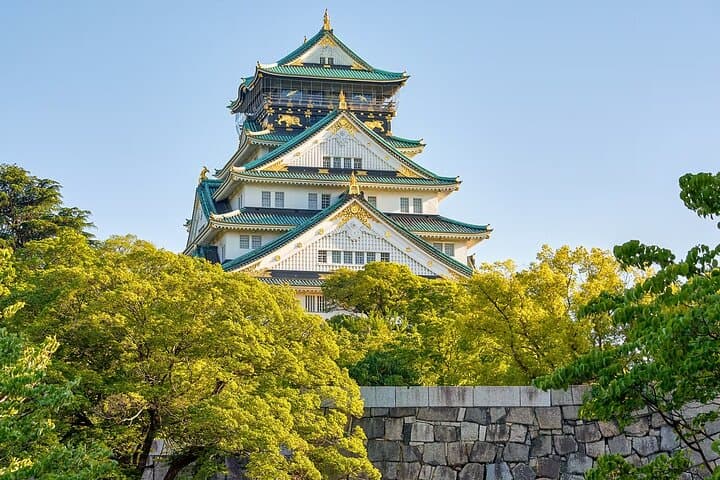
You step through a park gate and the castle rises—a layered white keep pinned against blue sky, its curved eaves throwing crisp shadows over ancient stone.
Verified experiences and guided adventures in the surrounding area.
Operated by Dream Fly Tourism LLC · Osaka, Osaka
You step through a park gate and the castle rises—a layered white keep pinned against blue sky, its curved eaves throwing crisp shadows over ancient stone.
Osaka Castle was first raised by Toyotomi Hideyoshi in the late 16th century as a symbol of centralized power; the current museum is a 20th-century reconstruction built on those original foundations. The castle’s towering stone walls, hewn blocks fitted without mortar, tell a practical story of Sengoku-era engineering as much as they create dramatic sightlines across the moat.
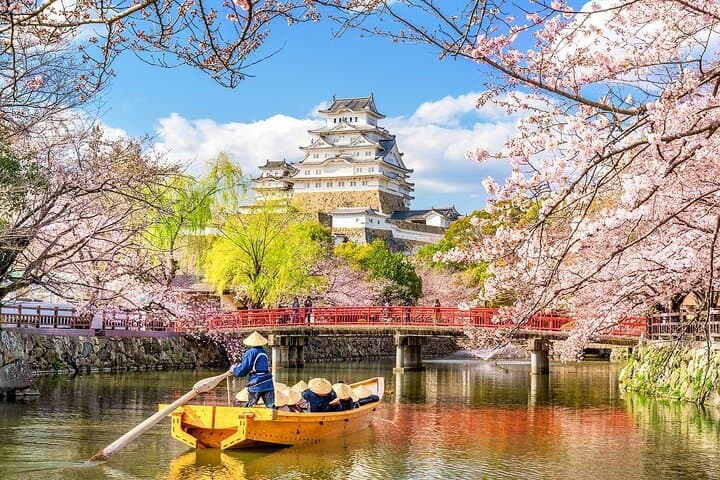
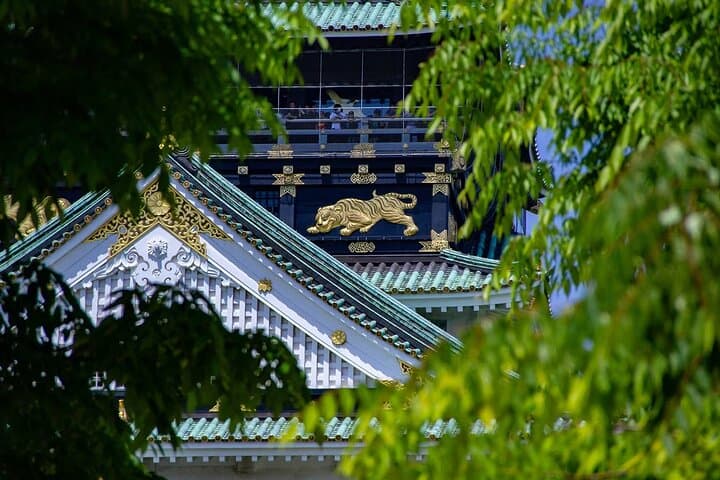
Inside, eight floors unfold chronologically: suit of armor and period maps, then wartime damage and postwar restoration, ending on the observation deck where Osaka’s sprawl fans out toward rivers and distant skyscrapers. The grounds host seasonal life—cherry trees that demand spring crowds, and quieter winter light that sharpens the masonry.
Practically, skip-the-line access changes the visit from queue management to exploration: you can move floor-to-floor with time to linger at exhibits, photograph the rooftop panorama and walk the outer moat without racing the crowd. Public transit drops you at Osakajokoen (JR) or Tanimachi Yonchome (subway); expect 1–4 hours depending on how deep you go. Wear comfortable shoes for stone steps and park paths, carry a light rain layer in spring and summer, and leave food waste in bins—this is a preserved historic site.
Plan morning visits for clearer light and fewer people. Follow signage inside the museum—many displays are fragile. With a skip-the-line ticket you trade waiting for context, and the castle rewards curiosity with history, architecture and a sweeping, earned view of Osaka.
easy.
1–4 hours.
Suitable for people of most fitness levels; involves stairs and moderate walking around the park.
Yes—this ticket grants entry to all eight museum floors and the observation deck during operating hours.
The museum provides elevator access to many floors; check specific accessibility information before booking if you require special assistance.
Plan 1–4 hours depending on whether you explore exhibits, the observation deck, and the surrounding park gardens.
Spring for cherry blossoms and autumn for foliage offer the most dramatic grounds, while early mornings year-round reduce crowds.
Originally built by Toyotomi Hideyoshi in the late 1500s, Osaka Castle was rebuilt several times; the present museum structure dates to the early 20th century with postwar restoration.
The site is actively preserved by city authorities—follow signage, stay on paths, and dispose of waste properly to protect historic stonework and park habitats.
Dream Fly Tourism LLC operates guided outdoor trips and adventures with an emphasis on safety, stewardship, and memorable experiences.
You step through a park gate and the castle rises—a layered white keep pinned against blue sky, its curved eaves throwing crisp shadows over ancient stone.
You step through a park gate and the castle rises—a layered white keep pinned against blue sky, its curved eaves throwing crisp shadows over ancient stone.
Osaka Castle was first raised by Toyotomi Hideyoshi in the late 16th century as a symbol of centralized power; the current museum is a 20th-century reconstruction built on those original foundations. The castle’s towering stone walls, hewn blocks fitted without mortar, tell a practical story of Sengoku-era engineering as much as they create dramatic sightlines across the moat.
Inside, eight floors unfold chronologically: suit of armor and period maps, then wartime damage and postwar restoration, ending on the observation deck where Osaka’s sprawl fans out toward rivers and distant skyscrapers. The grounds host seasonal life—cherry trees that demand spring crowds, and quieter winter light that sharpens the masonry.
Practically, skip-the-line access changes the visit from queue management to exploration: you can move floor-to-floor with time to linger at exhibits, photograph the rooftop panorama and walk the outer moat without racing the crowd. Public transit drops you at Osakajokoen (JR) or Tanimachi Yonchome (subway); expect 1–4 hours depending on how deep you go. Wear comfortable shoes for stone steps and park paths, carry a light rain layer in spring and summer, and leave food waste in bins—this is a preserved historic site.
Plan morning visits for clearer light and fewer people. Follow signage inside the museum—many displays are fragile. With a skip-the-line ticket you trade waiting for context, and the castle rewards curiosity with history, architecture and a sweeping, earned view of Osaka.