THE ADVENTURE COLLECTIVE® · Independent discovery and booking for outdoor travel

Combine a real boxing workout with a guided walk through Osaka’s working neighborhoods. This 2-hour private experience pairs practical fitness with local food, history, and streets only residents frequent.
Combine a real boxing workout with a guided walk through Osaka’s working neighborhoods. This 2-hour private experience pairs practical fitness with local food, history, and streets only residents frequent.
A morning in Osaka begins with the slap of leather against a heavy bag and the low chatter of a neighborhood that refuses to sleep. Participants start inside a compact local gym where trainers cue footwork and basic combinations; breath tightens, gloves thud, and the room’s energy clears the cobwebs faster than caffeine.
Verified experiences and guided adventures in the surrounding area.
Operated by TARO · Osaka, Osaka Prefecture
A morning in Osaka begins with the slap of leather against a heavy bag and the low chatter of a neighborhood that refuses to sleep. Participants start inside a compact local gym where trainers cue footwork and basic combinations; breath tightens, gloves thud, and the room’s energy clears the cobwebs faster than caffeine.
After the session the group spills into narrow streets—lanes that remember merchants and laborers rather than tourists. Osaka’s history as Japan’s commercial heart shows in the geometry of its alleys, the low merchant houses, and canal cuts that guided goods through the city. The Dotonbori canal edges dare you with neon reflections; nearby shrines offer quiet contrast and koi ponds that hint at older water-management practices. Geologically, the plain around Osaka is reclaimed and layered; the city rides on river sediments from the Yodo Basin, which shaped its grid and flood defenses.
Culture here is tactile: street food stalls, workwear-style shops, and gyms that double as community centers. This tour pairs a practical workout with local insight—trainers teach movement that’s useful for everyday stamina, while guides parse the rhythms of neighborhoods where residents still shop early and close late.
Practical guidance: arrive in breathable athletic wear and grip-friendly sneakers; gloves and basic gear are provided but hand wraps are recommended. Hydrate before and after; the walking portion covers uneven pavements and 1–2 miles of slow-paced exploration. Public transit access is excellent—plan on a mid-morning start to avoid peak crowds and get the most comfortable mix of training and discovery.
easy.
2 hours.
Suitable for beginners and regular exercisers; basic cardio fitness helps you enjoy both training and walking.
No—trainers focus on fundamentals suitable for beginners, with optional intensity for fitter participants.
The walk focuses on local neighborhoods near central Osaka—small alleys, food spots, and a canal-side stretch—about 1–2 miles total.
Yes—gloves and gym fees are included; bringing personal hand wraps is recommended.
Certain elements are wheelchair accessible, but the boxing session requires standing participation; contact the operator with specific accessibility needs.
Osaka long served as Japan’s mercantile center—the city’s low-rise commercial neighborhoods grew from Edo-period trade networks and the Yodo River’s transport routes.
Small-group, low-impact touring is encouraged; use public transit, carry out waste, and respect local businesses and residential areas to minimize footprint.
TARO operates guided outdoor trips and adventures with an emphasis on safety, stewardship, and memorable experiences.
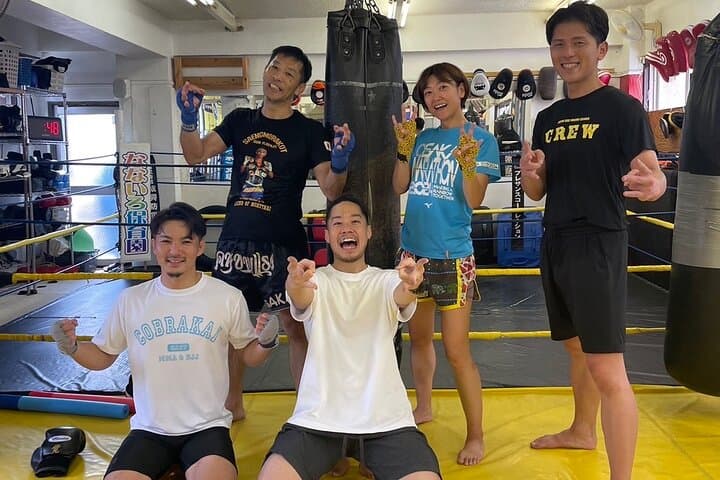

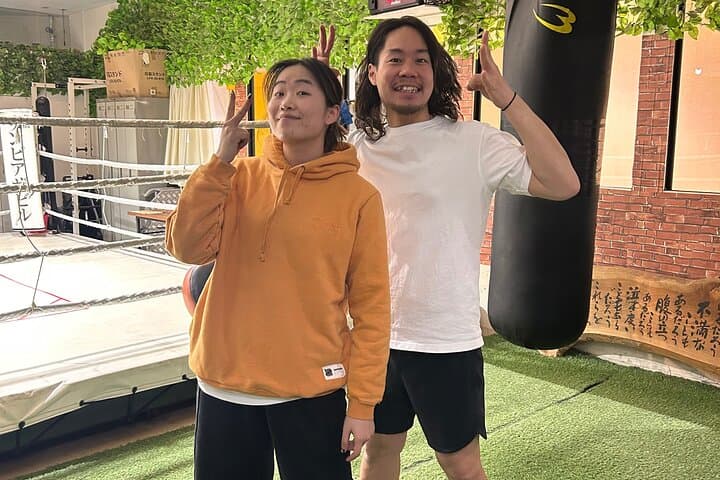
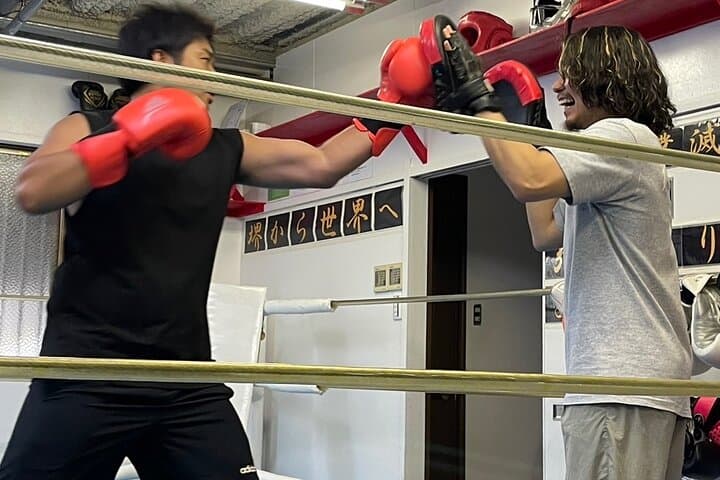
A morning in Osaka begins with the slap of leather against a heavy bag and the low chatter of a neighborhood that refuses to sleep. Participants start inside a compact local gym where trainers cue footwork and basic combinations; breath tightens, gloves thud, and the room’s energy clears the cobwebs faster than caffeine.
A morning in Osaka begins with the slap of leather against a heavy bag and the low chatter of a neighborhood that refuses to sleep. Participants start inside a compact local gym where trainers cue footwork and basic combinations; breath tightens, gloves thud, and the room’s energy clears the cobwebs faster than caffeine.
After the session the group spills into narrow streets—lanes that remember merchants and laborers rather than tourists. Osaka’s history as Japan’s commercial heart shows in the geometry of its alleys, the low merchant houses, and canal cuts that guided goods through the city. The Dotonbori canal edges dare you with neon reflections; nearby shrines offer quiet contrast and koi ponds that hint at older water-management practices. Geologically, the plain around Osaka is reclaimed and layered; the city rides on river sediments from the Yodo Basin, which shaped its grid and flood defenses.
Culture here is tactile: street food stalls, workwear-style shops, and gyms that double as community centers. This tour pairs a practical workout with local insight—trainers teach movement that’s useful for everyday stamina, while guides parse the rhythms of neighborhoods where residents still shop early and close late.
Practical guidance: arrive in breathable athletic wear and grip-friendly sneakers; gloves and basic gear are provided but hand wraps are recommended. Hydrate before and after; the walking portion covers uneven pavements and 1–2 miles of slow-paced exploration. Public transit access is excellent—plan on a mid-morning start to avoid peak crowds and get the most comfortable mix of training and discovery.