THE ADVENTURE COLLECTIVE® · Independent discovery and booking for outdoor travel

Step into a traditional Osaka dojo for a focused two-hour kendo and samurai experience that blends basic sword etiquette, footwork and armor drills with cultural context. Small groups and English instruction make this a hands-on introduction to Japan’s martial heritage.
Step into a traditional Osaka dojo for a focused two-hour kendo and samurai experience that blends basic sword etiquette, footwork and armor drills with cultural context. Small groups and English instruction make this a hands-on introduction to Japan’s martial heritage.
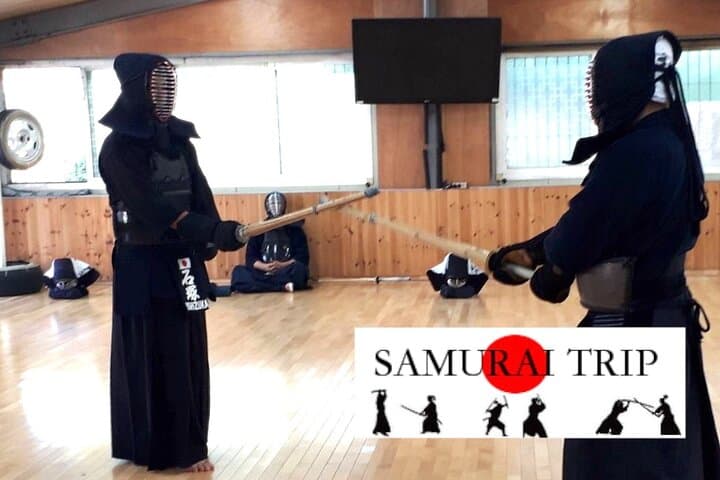
The room smells faintly of polished wood and breath; light from a papered window sketches the silhouette of a shinai as your instructor adjusts your stance. In an intimate dojo in Osaka, two hours stretch into a focused study of timing, posture and etiquette — the physical language of kendo that asks you to move with intent.
Verified experiences and guided adventures in the surrounding area.
Operated by SAMURAI TRIP · Osaka, Osaka Prefecture
The room smells faintly of polished wood and breath; light from a papered window sketches the silhouette of a shinai as your instructor adjusts your stance. In an intimate dojo in Osaka, two hours stretch into a focused study of timing, posture and etiquette — the physical language of kendo that asks you to move with intent.
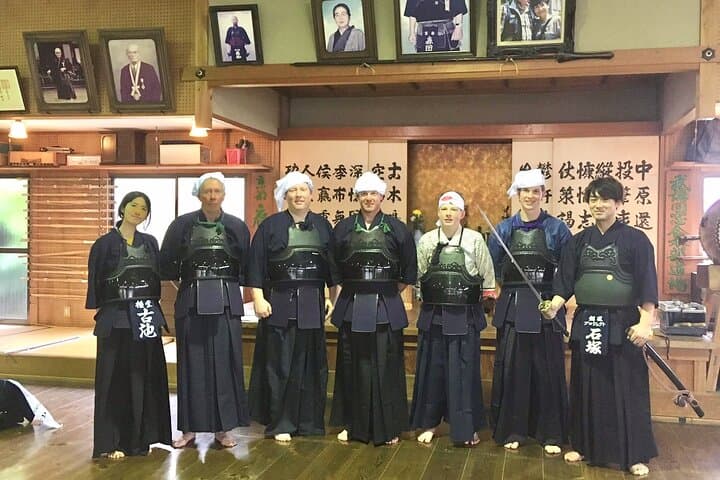
Kendo evolved from samurai swordsmanship in the Edo period and was codified as a modern sport in the 20th century; the workshop mixes this living history with disciplined practice. The instructor will cover basic etiquette, footwork (ashisabaki), striking targets (men, kote, do) and donning armor for short drills. Expect cultural notes: the importance of rei (bowing), the philosophy behind kihon (basics), and how martial forms shaped social conduct in Japan.
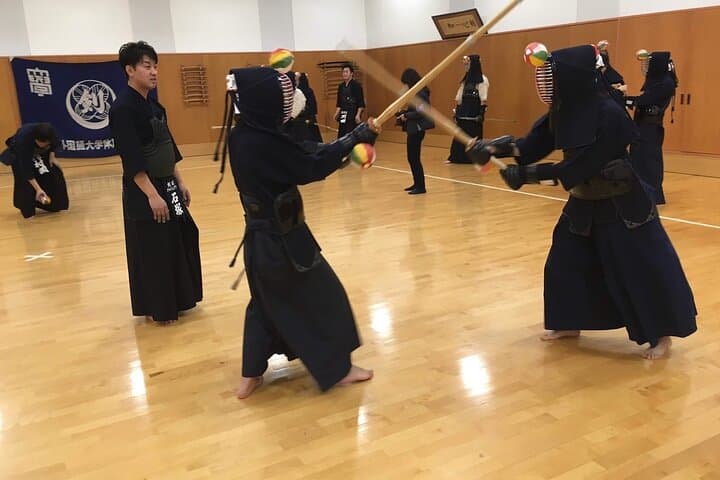
The session is compact and practical: warm-up, paired practice, and supervised hits in protective gear. It’s physically engaging rather than combative — the shinai’s bamboo head invites repetition and rhythm more than brute force. For first-timers, the learning curve is mostly coordination and following Japanese cues; instructors commonly speak English and guide beginners step by step.
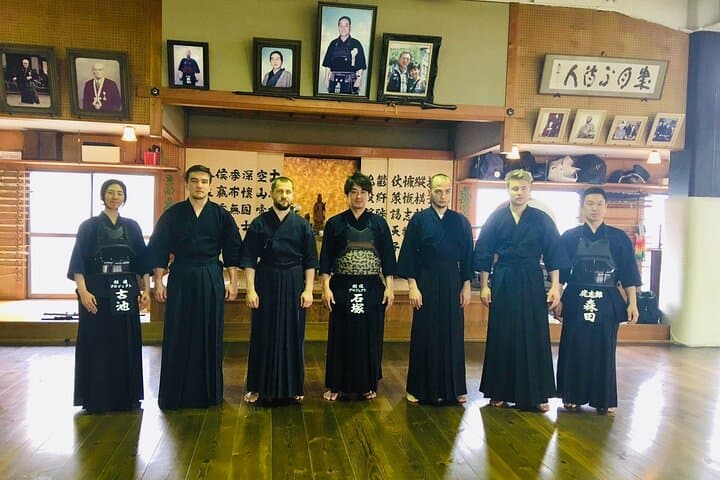
Practical tips: arrive with light athletic wear, hydrate before entry, and leave jewelry in your bag. The dojo is wheelchair and stroller accessible for observation but the practice requires standing and basic mobility. Bookings are limited to small groups, so expect hands-on attention. Whether you want a cultural primer or a short, intense workout, this 2-hour class delivers a tangible connection to Japan’s martial traditions.
moderate.
2 hours.
Moderate fitness: able to stand, move quickly over short bursts and follow basic coordination drills.
No — the class is designed for beginners and covers etiquette, basic strikes and footwork with step-by-step instruction.
Yes — all kendo equipment and a practice towel are provided as part of the session.
Yes — instructors provide English guidance and demonstrations tailored for first-time visitors.
Children can participate with supervision; those with serious spinal, heart conditions or pregnancy should avoid active participation and may observe instead.
Kendo developed from samurai sword arts and was systematized during the Meiji and Taishō eras as a means to preserve technique and cultivate character.
Dojo operations are low-impact but visitors should respect local customs and facilities by removing shoes, minimizing waste, and following operator guidance to reduce wear on shared equipment.
SAMURAI TRIP operates guided outdoor trips and adventures with an emphasis on safety, stewardship, and memorable experiences.
The room smells faintly of polished wood and breath; light from a papered window sketches the silhouette of a shinai as your instructor adjusts your stance. In an intimate dojo in Osaka, two hours stretch into a focused study of timing, posture and etiquette — the physical language of kendo that asks you to move with intent.
The room smells faintly of polished wood and breath; light from a papered window sketches the silhouette of a shinai as your instructor adjusts your stance. In an intimate dojo in Osaka, two hours stretch into a focused study of timing, posture and etiquette — the physical language of kendo that asks you to move with intent.
Kendo evolved from samurai swordsmanship in the Edo period and was codified as a modern sport in the 20th century; the workshop mixes this living history with disciplined practice. The instructor will cover basic etiquette, footwork (ashisabaki), striking targets (men, kote, do) and donning armor for short drills. Expect cultural notes: the importance of rei (bowing), the philosophy behind kihon (basics), and how martial forms shaped social conduct in Japan.
The session is compact and practical: warm-up, paired practice, and supervised hits in protective gear. It’s physically engaging rather than combative — the shinai’s bamboo head invites repetition and rhythm more than brute force. For first-timers, the learning curve is mostly coordination and following Japanese cues; instructors commonly speak English and guide beginners step by step.
Practical tips: arrive with light athletic wear, hydrate before entry, and leave jewelry in your bag. The dojo is wheelchair and stroller accessible for observation but the practice requires standing and basic mobility. Bookings are limited to small groups, so expect hands-on attention. Whether you want a cultural primer or a short, intense workout, this 2-hour class delivers a tangible connection to Japan’s martial traditions.