THE ADVENTURE COLLECTIVE® · Independent discovery and booking for outdoor travel

Cross the Andean altiplano from Oruro to Puno with a private transfer that includes a two‑hour visit to the Uros floating islands on Lake Titicaca—high‑altitude scenery, reed‑island culture, and practical tips for timing, gear, and border logistics.
Cross the Andean altiplano from Oruro to Puno with a private transfer that includes a two‑hour visit to the Uros floating islands on Lake Titicaca—high‑altitude scenery, reed‑island culture, and practical tips for timing, gear, and border logistics.
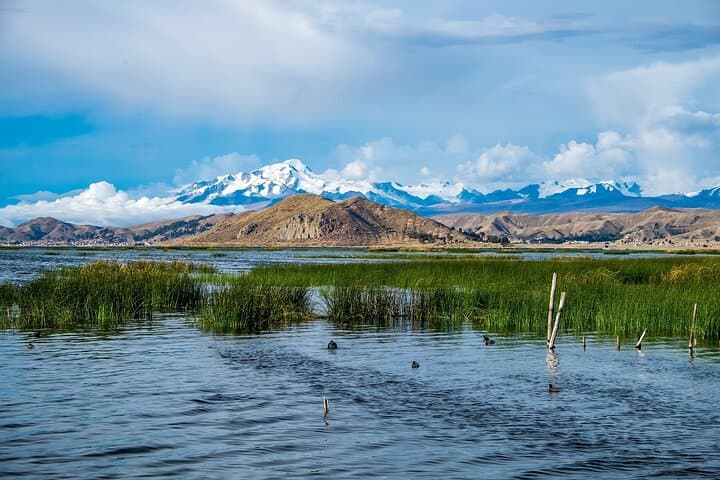
You step out of the air‑conditioned vehicle at the edge of a lake that refuses to be still—the wind scours the surface, and reeds lean as if nudging you forward. The high plateau spreads white and hard around you; at 12,500 feet (about 3,810 m) the air is thin and crystalline, the views sharp enough to make a camera work for its keep.
Verified experiences and guided adventures in the surrounding area.
Operated by Europe Journey - Private Sightseeing Transfers and Day Tours · Puno, Puno
You step out of the air‑conditioned vehicle at the edge of a lake that refuses to be still—the wind scours the surface, and reeds lean as if nudging you forward. The high plateau spreads white and hard around you; at 12,500 feet (about 3,810 m) the air is thin and crystalline, the views sharp enough to make a camera work for its keep.
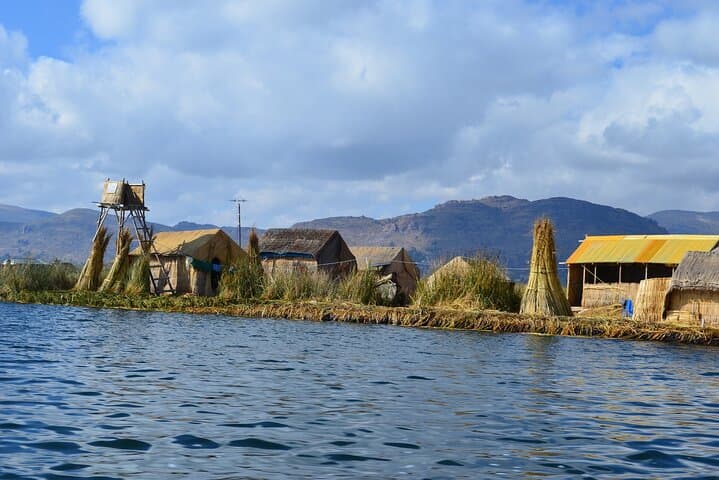
This private transfer moves you across the Andean altiplano from Oruro into Puno with a two‑hour stop to visit the man‑made Uros floating islands on Lake Titicaca, the world’s highest navigable lake. Geologically the lake fills an intermontane basin carved and reshaped by glaciers and tectonic uplift; culturally it is older than modern borders, home to Aymara and Uru‑speaking communities who built islands from totora reeds centuries ago.
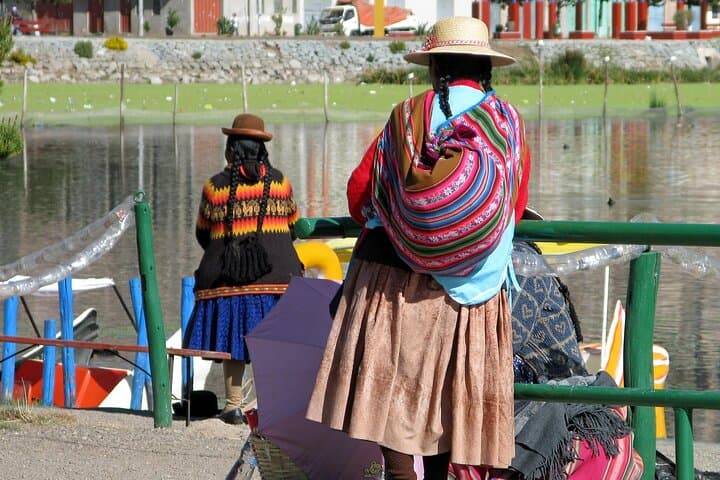
Locals sell reed crafts and invite short paddles in motorized skiffs; listen for boat drivers’ low calls and the slap of reeds against hulls. The experience is calm but territorial—nature will test you with sun, wind, and altitude, and the islands ask for respect: shoes removed, cameras polite, bargaining fair.
Practicalities: the trip runs about 3–4 hours total, the operator provides a clean vehicle, bottled water, and an English‑speaking driver. Bring your passport and a photocopy for border timings, dress in layers for rapid temperature swings, and sip water steadily to reduce altitude effects. Morning light is best for photos and calmer water; afternoons can bring wind. This private transfer is low‑impact but high on cultural contact, a compact route to one of the Altiplano’s most singular shorelines.
easy.
3–4 hours.
Suitable for most fitness levels; minimal walking on flat or slightly uneven surfaces
Yes—bring your passport and a photocopy; border formalities and checkpoints are common on cross‑border transfers to the Lake Titicaca area.
The itinerary includes approximately a two‑hour stop to board a skiff, tour the reed islands, and see local crafts and demonstrations.
The transfer is classified as physically easy, but stepping into boats and walking on uneven reed platforms requires basic mobility—inform the operator of any accessibility needs ahead of time.
Yes—strong winds and storms can make the lake choppy; mornings are usually calmer, and operators may adjust timing for safety and comfort.
The Uros created floating reed islands long before modern borders; totora was and remains central to shelter, boatbuilding, and daily life on the lake.
Lake Titicaca is sensitive to pollution and invasive species—limit plastic waste, buy local crafts rather than detritus, and follow local guidance to reduce erosion of reed islands.
Europe Journey - Private Sightseeing Transfers and Day Tours operates guided outdoor trips and adventures with an emphasis on safety, stewardship, and memorable experiences.

You step out of the air‑conditioned vehicle at the edge of a lake that refuses to be still—the wind scours the surface, and reeds lean as if nudging you forward. The high plateau spreads white and hard around you; at 12,500 feet (about 3,810 m) the air is thin and crystalline, the views sharp enough to make a camera work for its keep.
You step out of the air‑conditioned vehicle at the edge of a lake that refuses to be still—the wind scours the surface, and reeds lean as if nudging you forward. The high plateau spreads white and hard around you; at 12,500 feet (about 3,810 m) the air is thin and crystalline, the views sharp enough to make a camera work for its keep.
This private transfer moves you across the Andean altiplano from Oruro into Puno with a two‑hour stop to visit the man‑made Uros floating islands on Lake Titicaca, the world’s highest navigable lake. Geologically the lake fills an intermontane basin carved and reshaped by glaciers and tectonic uplift; culturally it is older than modern borders, home to Aymara and Uru‑speaking communities who built islands from totora reeds centuries ago.
Locals sell reed crafts and invite short paddles in motorized skiffs; listen for boat drivers’ low calls and the slap of reeds against hulls. The experience is calm but territorial—nature will test you with sun, wind, and altitude, and the islands ask for respect: shoes removed, cameras polite, bargaining fair.
Practicalities: the trip runs about 3–4 hours total, the operator provides a clean vehicle, bottled water, and an English‑speaking driver. Bring your passport and a photocopy for border timings, dress in layers for rapid temperature swings, and sip water steadily to reduce altitude effects. Morning light is best for photos and calmer water; afternoons can bring wind. This private transfer is low‑impact but high on cultural contact, a compact route to one of the Altiplano’s most singular shorelines.