THE ADVENTURE COLLECTIVE® · Independent discovery and booking for outdoor travel

Circle Ortigia by boat in a compact 70‑minute tour that pairs the island’s baroque and ancient highlights with a spin through coastal sea caves and a swim stop. Expect limestone caverns, coral pockets and a local guide in English and Italian.
Circle Ortigia by boat in a compact 70‑minute tour that pairs the island’s baroque and ancient highlights with a spin through coastal sea caves and a swim stop. Expect limestone caverns, coral pockets and a local guide in English and Italian.
The boat threads the narrow channel around Ortigia, Duomo’s pale stone sliding past while the Ionian sea dares you to look closer. In seventy minutes the guide points out Santa Lucia and Palazzo Veneziano, then eases the bow toward cliffs where the coastline inhales and exhales into dark mouths—sea caves rimmed with calcified curtains and unexpected coral formations.
Verified experiences and guided adventures in the surrounding area.
Operated by Deep Sarina · Siracusa, Sicily
The boat threads the narrow channel around Ortigia, Duomo’s pale stone sliding past while the Ionian sea dares you to look closer. In seventy minutes the guide points out Santa Lucia and Palazzo Veneziano, then eases the bow toward cliffs where the coastline inhales and exhales into dark mouths—sea caves rimmed with calcified curtains and unexpected coral formations.
Ortigia is the archaeological heart of Siracusa, a small island that began as a Greek settlement and accumulated Roman, Byzantine and Norman layers. Fonte Aretusa’s freshwater spring and the nearby Castello Maniace are living chapters of that history; the island’s limestone is a product of millennia of marine deposition and coastal erosion that carved the caverns you’ll enter by boat.
Culture here is hands-on: fishermen drying nets, cafes serving squeezed lemons and branzino, and piazzas that mark transitions from ancient to modern. The caves themselves feel deliberate—stalactites hanging like teeth, stalagmites rising from dark water, and pockets of coral that gleam when the sun finds them. The sea pushes and guides you; the caves hold their breath.
Practical guide: the trip is a short, accessible circumnavigation with an English/Italian live guide and a brief swim stop—basic swimming ability recommended. Wear water shoes, bring sun protection, a towel and a lightweight wind layer for spray. Mornings are typically calmer for photography and calmer seas; late afternoon gives softer light. If you’re prone to seasickness, take preventative meds. Respect the formations—don’t touch—and follow the guide’s safety brief for boarding, entering caves and the optional dip.
easy.
1–1.5 hours.
Minimal fitness required; participants should be able to step on/off a small boat and swim briefly if joining the dip.
Yes—the operator lists wheelchair-accessible transport and surfaces, but check booking details for boarding assistance and notify in advance if you need help.
No—the swim stop is optional; non-swimmers can remain on the boat and still enjoy cave views.
Live guides provide commentary in English and Italian according to the tour listing.
The boat enters coastal ravines and navigates into cave mouths where guides permit safe approaches; access depends on sea state and guide discretion.
Ortigia is the original island of ancient Syracuse and contains Greek, Roman and medieval layers; Fonte Aretusa is tied to the myth of the nymph Arethusa.
Coastal caves and coralline formations are fragile—avoid touching formations or disturbing marine life, and pack out any waste to reduce pressure from tourism.
Deep Sarina operates guided outdoor trips and adventures with an emphasis on safety, stewardship, and memorable experiences.
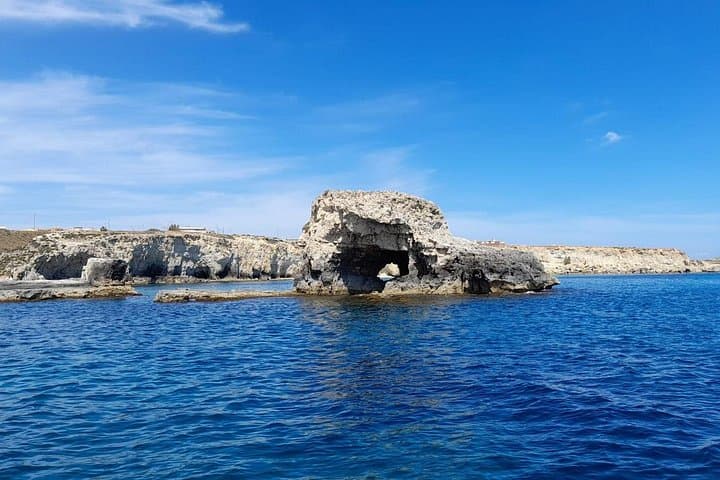
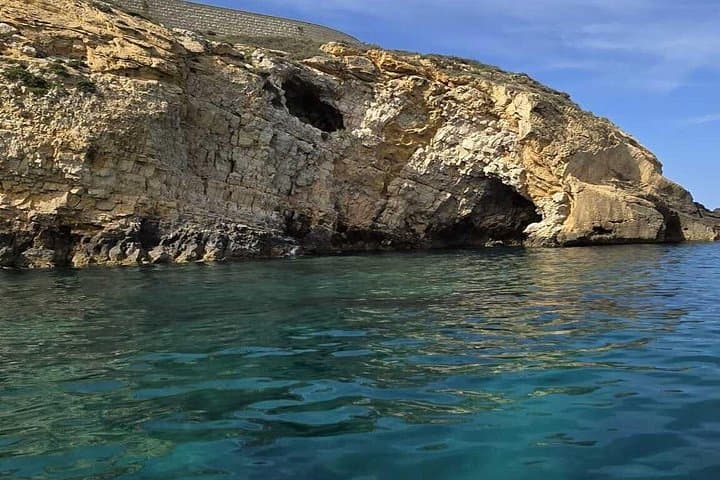
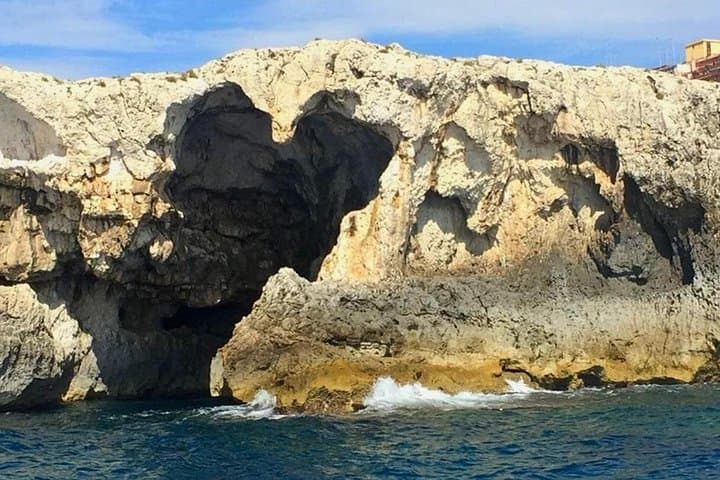
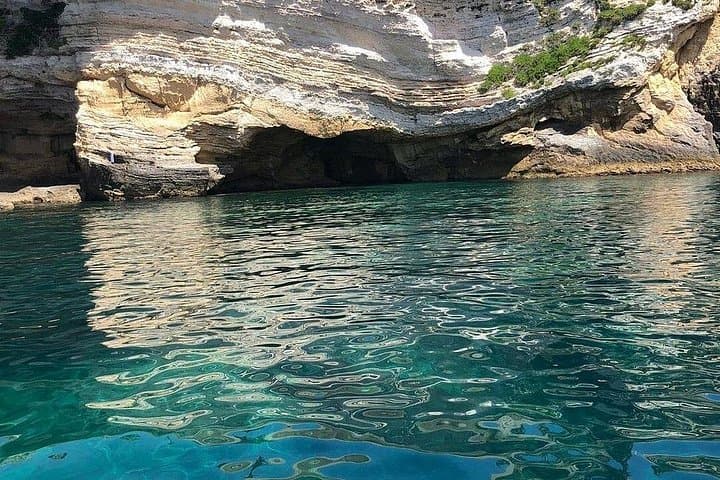
The boat threads the narrow channel around Ortigia, Duomo’s pale stone sliding past while the Ionian sea dares you to look closer. In seventy minutes the guide points out Santa Lucia and Palazzo Veneziano, then eases the bow toward cliffs where the coastline inhales and exhales into dark mouths—sea caves rimmed with calcified curtains and unexpected coral formations.
The boat threads the narrow channel around Ortigia, Duomo’s pale stone sliding past while the Ionian sea dares you to look closer. In seventy minutes the guide points out Santa Lucia and Palazzo Veneziano, then eases the bow toward cliffs where the coastline inhales and exhales into dark mouths—sea caves rimmed with calcified curtains and unexpected coral formations.
Ortigia is the archaeological heart of Siracusa, a small island that began as a Greek settlement and accumulated Roman, Byzantine and Norman layers. Fonte Aretusa’s freshwater spring and the nearby Castello Maniace are living chapters of that history; the island’s limestone is a product of millennia of marine deposition and coastal erosion that carved the caverns you’ll enter by boat.
Culture here is hands-on: fishermen drying nets, cafes serving squeezed lemons and branzino, and piazzas that mark transitions from ancient to modern. The caves themselves feel deliberate—stalactites hanging like teeth, stalagmites rising from dark water, and pockets of coral that gleam when the sun finds them. The sea pushes and guides you; the caves hold their breath.
Practical guide: the trip is a short, accessible circumnavigation with an English/Italian live guide and a brief swim stop—basic swimming ability recommended. Wear water shoes, bring sun protection, a towel and a lightweight wind layer for spray. Mornings are typically calmer for photography and calmer seas; late afternoon gives softer light. If you’re prone to seasickness, take preventative meds. Respect the formations—don’t touch—and follow the guide’s safety brief for boarding, entering caves and the optional dip.