THE ADVENTURE COLLECTIVE® · Independent discovery and booking for outdoor travel

Walk Ortigia after dark with an archaeologist and watch history come alive beneath lamp-lit stone. This guided two-hour tour stitches together Greek temples, a medieval Jewish quarter and the waterfront’s living culture.
Walk Ortigia after dark with an archaeologist and watch history come alive beneath lamp-lit stone. This guided two-hour tour stitches together Greek temples, a medieval Jewish quarter and the waterfront’s living culture.
Streetlights bloom on honey-colored stone as a cool Ionian breeze threads the alleys: this is Ortigia after dusk. The islet tightens into a compact labyrinth where baroque facades, narrow alleys and the low roar of the sea frame a two-hour walk guided by an archaeologist.
Verified experiences and guided adventures in the surrounding area.
Operated by Italo Giordano (archeologo e tour guide) · Ortigia (Syracuse), Sicily
Streetlights bloom on honey-colored stone as a cool Ionian breeze threads the alleys: this is Ortigia after dusk. The islet tightens into a compact labyrinth where baroque facades, narrow alleys and the low roar of the sea frame a two-hour walk guided by an archaeologist.
The route travels layers of history — a 6th-century BC stone temple that became a Genoese ruin, the Piazza Duomo carved through centuries of Greek, Roman and Norman hands, and the Jewish quarter where merchants once lived before the expulsions of 1492. Geology is visible beneath your feet: calcarenite and limestone steps worn smooth by generations. Local life pushes through the past — fishermen hauling nets, small cafés serving strained espresso and granita, and chapel lights flickering in hidden courtyards.
Cultural insight comes in quick, grounded anecdotes from your guide: why the Temple of Apollo’s columns sit where they do, how Syracuse shaped Mediterranean trade, and how Ortigia’s waterfront shaped its rhythms.
Practical notes: the walk lasts about two hours on mostly flat, cobbled streets; summer nights bring sea breezes but limited shade, while spring and autumn are cool and comfortable. The tour meets near the Temple of Apollo; it’s wheelchair-accessible and suitable for most fitness levels. Wear supportive shoes for uneven stone, bring a light jacket and a refillable water bottle, and arrive 10 minutes early to orient yourself with the meeting point. Expect storytelling punctuated by pauses for photographs and the ambient music of a working Sicilian port.
easy.
2 hours.
Suitable for most fitness levels; requires standing and walking on cobblestones for the duration.
The meeting point is by the Temple of Apollo on Ortigia; the guide will be waiting there—arrive 10 minutes early.
Yes — the operator lists wheelchair-accessible surfaces and transportation, though some historic thresholds may be present; contact the operator for specific needs.
Most guided tours are offered in Italian and commonly in English; check the booking page or request language needs at reservation.
Yes, infants may attend but must sit on an adult’s lap according to the tour policy.
Ortigia was the original urban core of ancient Syracuse, with Greek foundations dating to the 8th–6th centuries BC and a once-thriving Jewish quarter that was expelled in 1492.
Foot traffic is managed to protect fragile archaeological surfaces; avoid touching ruins, stay on marked paths and minimize plastic waste to support local conservation efforts.
Italo Giordano (archeologo e tour guide) operates guided outdoor trips and adventures with an emphasis on safety, stewardship, and memorable experiences.
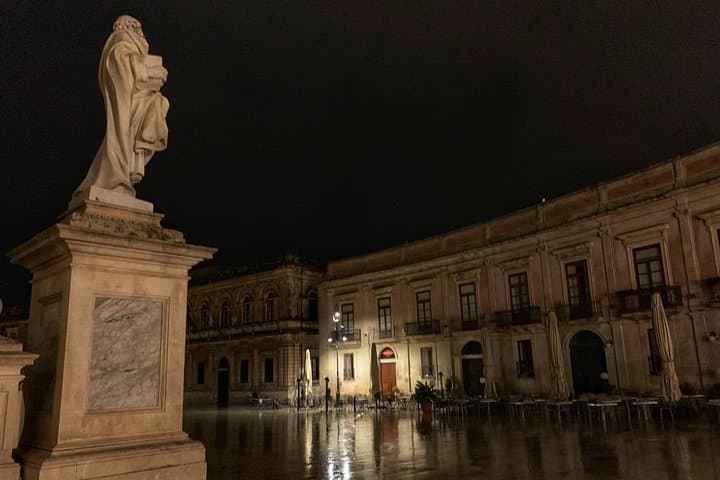
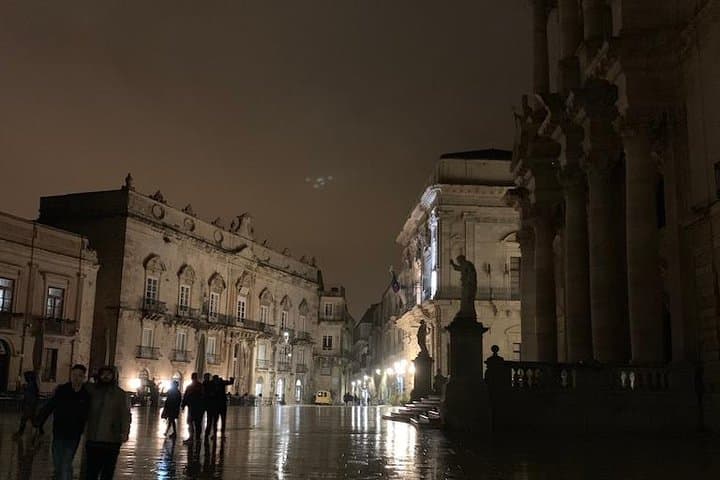
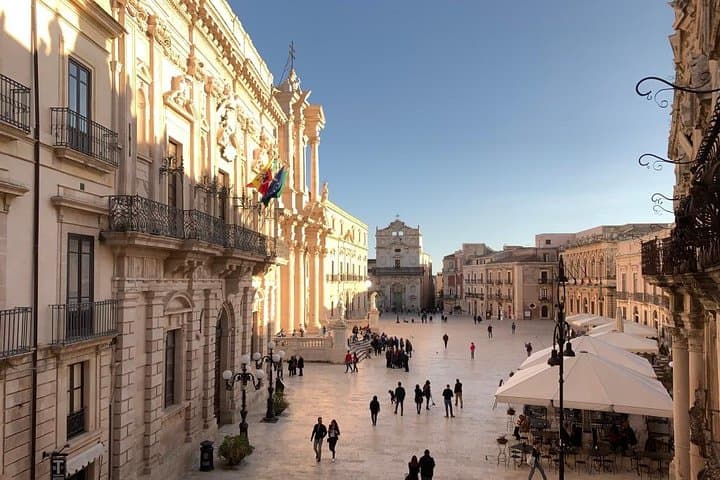
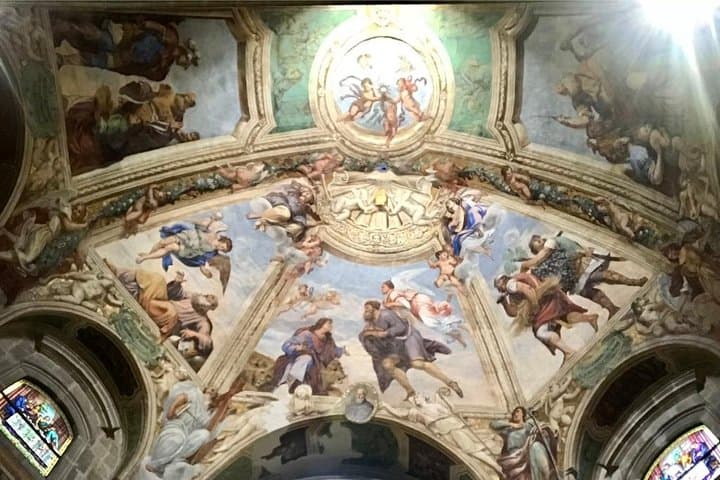
Streetlights bloom on honey-colored stone as a cool Ionian breeze threads the alleys: this is Ortigia after dusk. The islet tightens into a compact labyrinth where baroque facades, narrow alleys and the low roar of the sea frame a two-hour walk guided by an archaeologist.
Streetlights bloom on honey-colored stone as a cool Ionian breeze threads the alleys: this is Ortigia after dusk. The islet tightens into a compact labyrinth where baroque facades, narrow alleys and the low roar of the sea frame a two-hour walk guided by an archaeologist.
The route travels layers of history — a 6th-century BC stone temple that became a Genoese ruin, the Piazza Duomo carved through centuries of Greek, Roman and Norman hands, and the Jewish quarter where merchants once lived before the expulsions of 1492. Geology is visible beneath your feet: calcarenite and limestone steps worn smooth by generations. Local life pushes through the past — fishermen hauling nets, small cafés serving strained espresso and granita, and chapel lights flickering in hidden courtyards.
Cultural insight comes in quick, grounded anecdotes from your guide: why the Temple of Apollo’s columns sit where they do, how Syracuse shaped Mediterranean trade, and how Ortigia’s waterfront shaped its rhythms.
Practical notes: the walk lasts about two hours on mostly flat, cobbled streets; summer nights bring sea breezes but limited shade, while spring and autumn are cool and comfortable. The tour meets near the Temple of Apollo; it’s wheelchair-accessible and suitable for most fitness levels. Wear supportive shoes for uneven stone, bring a light jacket and a refillable water bottle, and arrive 10 minutes early to orient yourself with the meeting point. Expect storytelling punctuated by pauses for photographs and the ambient music of a working Sicilian port.