THE ADVENTURE COLLECTIVE® · Independent discovery and booking for outdoor travel

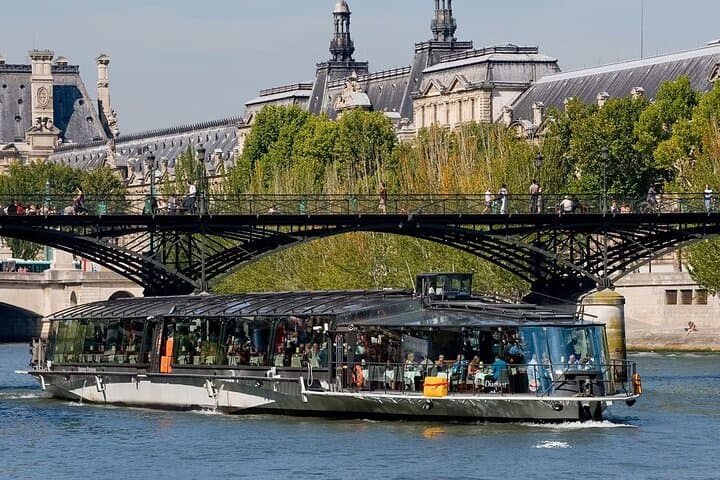
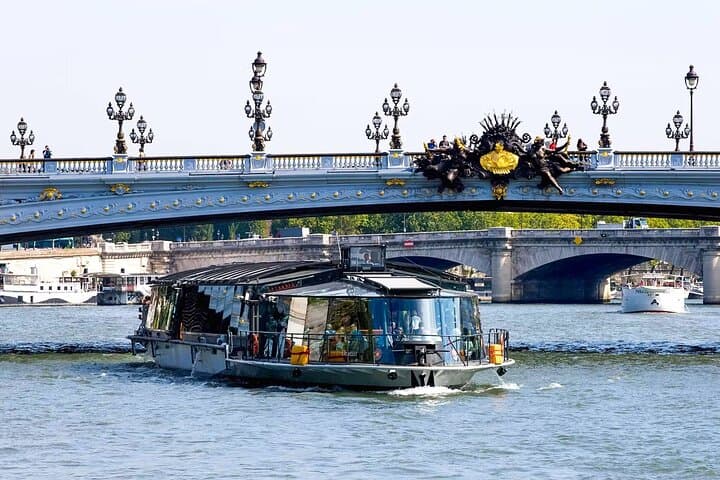
Pair a focused visit to Musée d’Orsay’s Impressionist masterpieces with an hour-long Seine cruise that frames Paris’s monuments from the water. This combined ticket offers skip-the-line museum access and panoramic vistas—ideal for culture seekers who want both detail and perspective.
Pair a focused visit to Musée d’Orsay’s Impressionist masterpieces with an hour-long Seine cruise that frames Paris’s monuments from the water. This combined ticket offers skip-the-line museum access and panoramic vistas—ideal for culture seekers who want both detail and perspective.
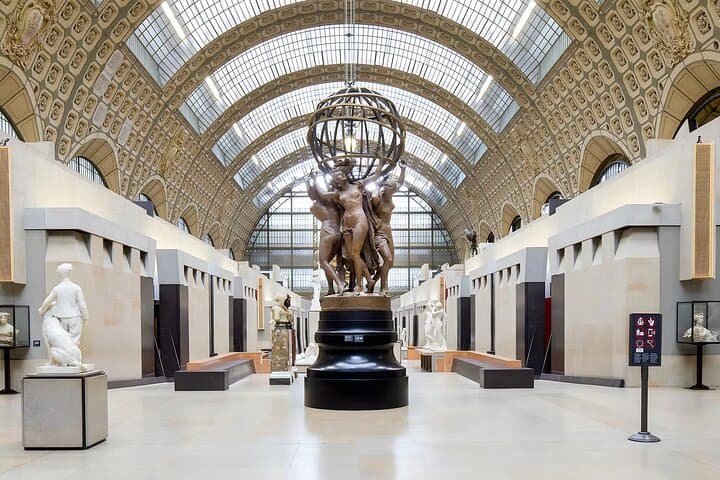
You step out of a Parisian drizzle and into a cavernous former railway hall where light pools through arched windows onto thick canvases. The Orsay’s galleries hum with the quiet energy of painters who rewrote how we see light and life; later, the Seine will open the city like a moving map, monuments sliding past as the boat cuts a silent wake.
Verified experiences and guided adventures in the surrounding area.
Operated by My Travelons Ltd · Paris, Île-de-France
You step out of a Parisian drizzle and into a cavernous former railway hall where light pools through arched windows onto thick canvases. The Orsay’s galleries hum with the quiet energy of painters who rewrote how we see light and life; later, the Seine will open the city like a moving map, monuments sliding past as the boat cuts a silent wake.
The Musée d’Orsay occupies the Gare d’Orsay, built for the 1900 Exposition Universelle and reborn as a museum in 1986 to house 19th- and early-20th-century art. Its collection traces the arc from realism to Impressionism and beyond — Monet’s brushwork, Van Gogh’s color planes, sculptures that hold still in mid-thought. Downriver, the Seine has shaped Paris since Roman times: its alluvial banks supported medieval trade and modern boulevards, the stone quarried from nearby Île-de-France lending the city its pale façade.
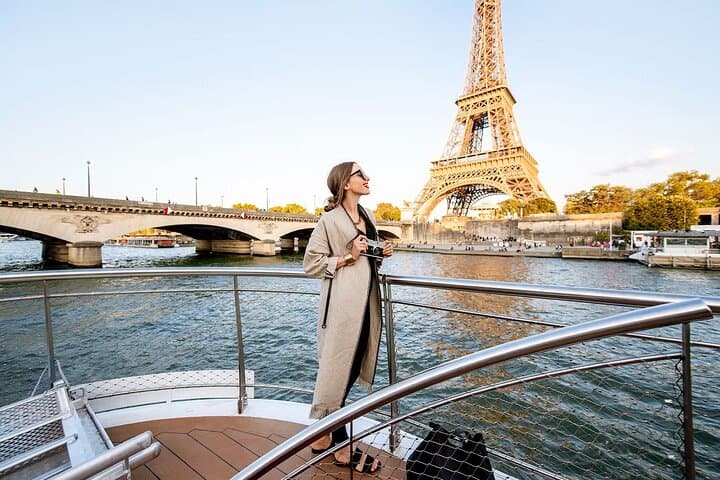
Culturally, this combo pairs close-looking with wide-seeing: museum galleries that reward slow attention, then an hour on the water that forces perspective. Expect multilingual commentary on the cruise, open-deck photo frames of the Eiffel Tower and Notre-Dame, and skip-the-line access to avoid the longest queues at Orsay.
Practical tips: book a late-afternoon cruise for softer light and thinner crowds, wear comfortable shoes for gallery walking, and allow at least three hours to savor both experiences. Carry a small pack for layers — the boat can be chilly even on warm days — and bring a reusable bottle; cafés are abundant but queues can be long. This is an easy, high-value way to pair Parisian art history with the river’s steady, revealing motion.
easy.
1–4 hours.
Suitable for most fitness levels; involves moderate walking and standing inside the museum and on the boat
Allow 2–4 hours total: approximately 1–3 hours in Musée d’Orsay depending on pace, plus a 1-hour Seine cruise.
Yes—most cruises offer multilingual commentary or audio guides; check the operator for specific language options.
Musée d’Orsay and many modern sightseeing boats have accessibility options; contact providers ahead to arrange ramps or assistance if needed.
Large luggage is generally restricted in Musée d’Orsay; small bags are allowed. Food is discouraged in galleries; boats typically allow small snacks but check operator rules.
The Musée d’Orsay occupies a 1900 railway terminal that was converted into a museum in 1986 to bridge the Louvre and the Centre Pompidou historically and chronologically.
River cruise operators and local authorities have reduced emissions with modern boats and regulated traffic; visitors help by using public transport, avoiding single-use plastics, and respecting museum conservation rules.
My Travelons Ltd operates guided outdoor trips and adventures with an emphasis on safety, stewardship, and memorable experiences.
You step out of a Parisian drizzle and into a cavernous former railway hall where light pools through arched windows onto thick canvases. The Orsay’s galleries hum with the quiet energy of painters who rewrote how we see light and life; later, the Seine will open the city like a moving map, monuments sliding past as the boat cuts a silent wake.
You step out of a Parisian drizzle and into a cavernous former railway hall where light pools through arched windows onto thick canvases. The Orsay’s galleries hum with the quiet energy of painters who rewrote how we see light and life; later, the Seine will open the city like a moving map, monuments sliding past as the boat cuts a silent wake.
The Musée d’Orsay occupies the Gare d’Orsay, built for the 1900 Exposition Universelle and reborn as a museum in 1986 to house 19th- and early-20th-century art. Its collection traces the arc from realism to Impressionism and beyond — Monet’s brushwork, Van Gogh’s color planes, sculptures that hold still in mid-thought. Downriver, the Seine has shaped Paris since Roman times: its alluvial banks supported medieval trade and modern boulevards, the stone quarried from nearby Île-de-France lending the city its pale façade.
Culturally, this combo pairs close-looking with wide-seeing: museum galleries that reward slow attention, then an hour on the water that forces perspective. Expect multilingual commentary on the cruise, open-deck photo frames of the Eiffel Tower and Notre-Dame, and skip-the-line access to avoid the longest queues at Orsay.
Practical tips: book a late-afternoon cruise for softer light and thinner crowds, wear comfortable shoes for gallery walking, and allow at least three hours to savor both experiences. Carry a small pack for layers — the boat can be chilly even on warm days — and bring a reusable bottle; cafés are abundant but queues can be long. This is an easy, high-value way to pair Parisian art history with the river’s steady, revealing motion.