THE ADVENTURE COLLECTIVE® · Independent discovery and booking for outdoor travel

Skip the queue and step straight into Musée d’Orsay’s vaulted galleries to see Monet, Van Gogh and Renoir. This fast-track ticket gets you past the line—plan 1–3 hours to explore the highlights and quieter corners.
Skip the queue and step straight into Musée d’Orsay’s vaulted galleries to see Monet, Van Gogh and Renoir. This fast-track ticket gets you past the line—plan 1–3 hours to explore the highlights and quieter corners.
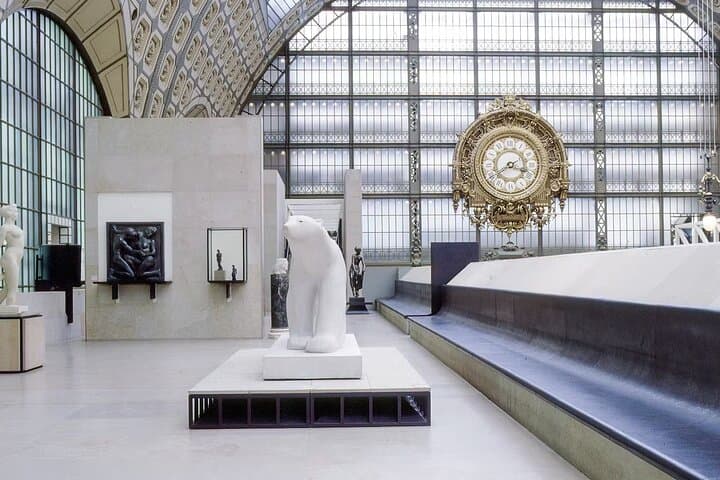
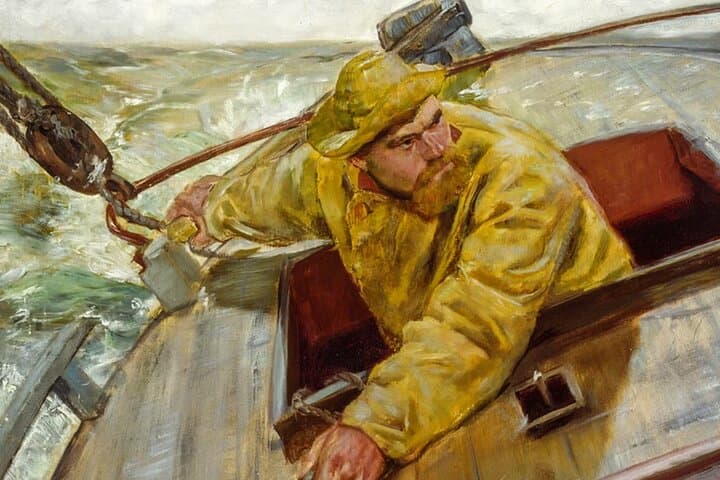
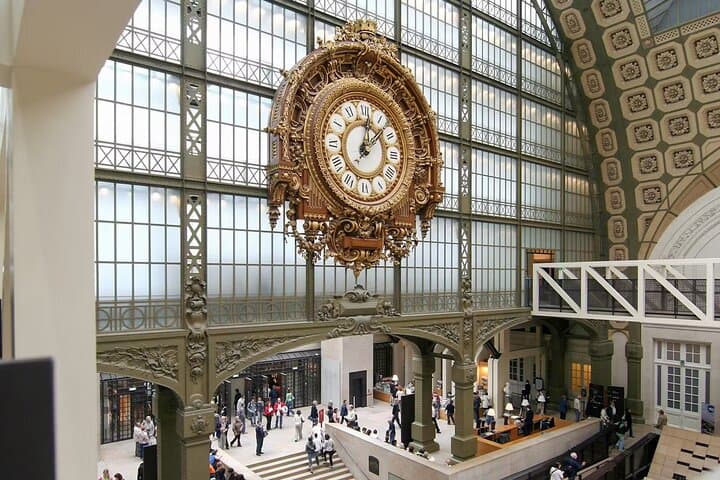
Step through the giant clock face and the city of Paris narrows to framed canvases and vaulted glass. Light pours across high galleries; the hush of people leaning in to study brushstrokes replaces the clatter of the street. With fast-track entry, you trade the queue for a first glance at Van Gogh’s thick impasto and Monet’s shifting water lilies.
Verified experiences and guided adventures in the surrounding area.
Operated by Dream Fly Tourism LLC · Paris, Île-de-France
Step through the giant clock face and the city of Paris narrows to framed canvases and vaulted glass. Light pours across high galleries; the hush of people leaning in to study brushstrokes replaces the clatter of the street. With fast-track entry, you trade the queue for a first glance at Van Gogh’s thick impasto and Monet’s shifting water lilies.
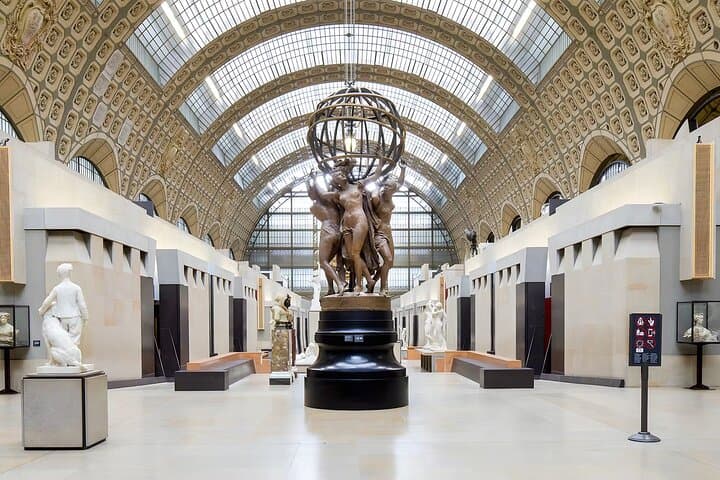
The Musée d’Orsay occupies a Beaux-Arts railway station completed in 1900, repurposed as a museum in the 1980s to house 19th- and early-20th-century art. Its marble stairways and ornate ironwork still read like station architecture, while the collection charts a cultural shift from academic history painting to Impressionist experiments in light and everyday life.
Beyond the headline works, watch for the clock-window view over the Seine and quieter rooms with decorative arts and early modern sculptures. The building’s stone and glass shape the way paintings read; natural light is curated, not accidental.
Practical guide: fast-track tickets bypass the public line but you still pass security—expect metal-detector screening and bag checks. Plan 1–3 hours depending on your pace; major galleries get busy midday. Photography without flash is generally allowed, but check temporary exhibition rules. Use the museum cloakroom for large bags and bring a printed or mobile ticket; some timed slots fill quickly during high season. Public transit is the easiest arrival option—Rue de la Légion d’Honneur sits between the Tuileries and the Left Bank. If you want the best light for portraits and detail, aim for morning entries when galleries are least crowded.
easy.
1–3 hours.
Minimal physical exertion; participants should be able to stand and walk on stairs for extended periods.
Yes—fast-track tickets grant access at a scheduled time window; arrive within that slot to use the skip-the-line benefit.
Mobile or paper tickets are accepted; have the ticket QR code ready for scanning at entry.
The ticket covers entry to the permanent collection and included temporary exhibits per the listing—audio guides are typically extra and available on site.
Policy varies; infants may sit on laps but children often require paid admission—check the museum’s current rules before booking.
The building was Gare d’Orsay, a 1900 Beaux-Arts train station repurposed into a museum in the 1980s to showcase 19th- and early-20th-century art.
The museum maintains strict climate control and conservation programs to protect paintings; visitors help by following no-touch rules and minimizing flash photography.
Dream Fly Tourism LLC operates guided outdoor trips and adventures with an emphasis on safety, stewardship, and memorable experiences.
Step through the giant clock face and the city of Paris narrows to framed canvases and vaulted glass. Light pours across high galleries; the hush of people leaning in to study brushstrokes replaces the clatter of the street. With fast-track entry, you trade the queue for a first glance at Van Gogh’s thick impasto and Monet’s shifting water lilies.
Step through the giant clock face and the city of Paris narrows to framed canvases and vaulted glass. Light pours across high galleries; the hush of people leaning in to study brushstrokes replaces the clatter of the street. With fast-track entry, you trade the queue for a first glance at Van Gogh’s thick impasto and Monet’s shifting water lilies.
The Musée d’Orsay occupies a Beaux-Arts railway station completed in 1900, repurposed as a museum in the 1980s to house 19th- and early-20th-century art. Its marble stairways and ornate ironwork still read like station architecture, while the collection charts a cultural shift from academic history painting to Impressionist experiments in light and everyday life.
Beyond the headline works, watch for the clock-window view over the Seine and quieter rooms with decorative arts and early modern sculptures. The building’s stone and glass shape the way paintings read; natural light is curated, not accidental.
Practical guide: fast-track tickets bypass the public line but you still pass security—expect metal-detector screening and bag checks. Plan 1–3 hours depending on your pace; major galleries get busy midday. Photography without flash is generally allowed, but check temporary exhibition rules. Use the museum cloakroom for large bags and bring a printed or mobile ticket; some timed slots fill quickly during high season. Public transit is the easiest arrival option—Rue de la Légion d’Honneur sits between the Tuileries and the Left Bank. If you want the best light for portraits and detail, aim for morning entries when galleries are least crowded.