THE ADVENTURE COLLECTIVE® · Independent discovery and booking for outdoor travel

Explore the cliff-edge village of Orongo and the dramatic Rano Kau crater on a private half-day tour. Discover Bird Man rituals, rugged volcanic geology, and fitted-stone mysteries while following a local guide.
Explore the cliff-edge village of Orongo and the dramatic Rano Kau crater on a private half-day tour. Discover Bird Man rituals, rugged volcanic geology, and fitted-stone mysteries while following a local guide.
Standing on the western rim of Rano Kau, wind pushes hard against the crater’s lip and the Pacific dares you to look over. The crater’s green bowl drops away in dramatic concentric terraces while the ceremonial village of Orongo perches on the cliff-edge, its stone houses and petroglyphs staring out at the swell of sea that shaped the island’s history.
Verified experiences and guided adventures in the surrounding area.
Operated by Kapua Tours & Experience · Hanga Roa, Valparaíso Region
Standing on the western rim of Rano Kau, wind pushes hard against the crater’s lip and the Pacific dares you to look over. The crater’s green bowl drops away in dramatic concentric terraces while the ceremonial village of Orongo perches on the cliff-edge, its stone houses and petroglyphs staring out at the swell of sea that shaped the island’s history.
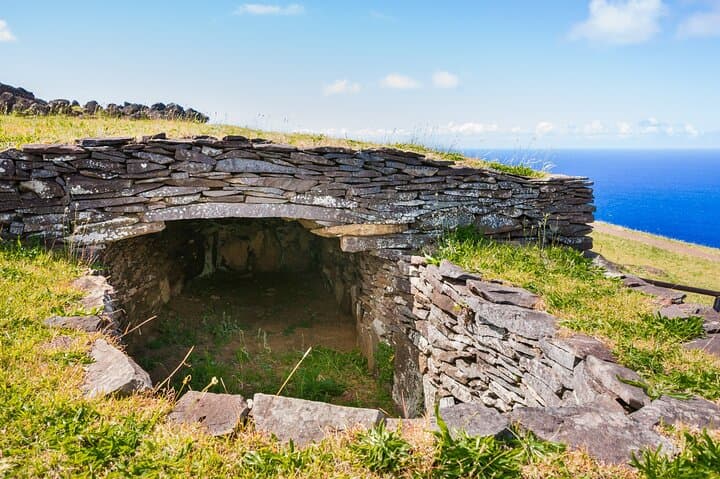
Geologically, Rano Kau is one of Rapa Nui’s three main volcanoes; its tuff rim and crater lake are the result of explosive eruptions and subsequent erosion. Culturally, Orongo was the stage for the Tangata Manu (Bird Man) ritual — a rugged test of sea, cliff and skill that decided yearly leadership. Nearby Vinapu presents a different puzzle: fitted stonework that has prompted debate about external contact and pre‑Columbian influence.
The half-day private tour typically runs two to three hours and combines short walks with standing-room archaeology; expect uneven stone paths, cliffside viewpoints and open exposure to wind and sun. Guides translate petroglyphs, explain moai context, and point out how conservation concerns shape access to fragile sites.
Practical notes: buy Parque Nacional Rapa Nui admission in advance (not included), wear grippy shoes for rocky surfaces, carry 1–2 liters of water and sun protection, and time the visit for morning or late afternoon to avoid the strongest winds and busiest periods. Respect roped areas: many ruins are actively conserved. With a guide and a measured pace, this half-day balances geology, living culture and seaworn drama into a compact, memorable experience.
easy.
2–3 hours.
Suitable for most fitness levels; requires short walks on uneven ground and some low steps.
No, Parque Nacional Rapa Nui admission is not included in this tour; purchase tickets separately before arrival or at the park entrance.
Expect short walks between viewpoints and archaeological sites—most guests complete the route comfortably in 2–3 hours.
Some areas have uneven ground and steps; while parts of the site are accessible, many features require mobility over rough surfaces—check with the operator about specific accommodations.
Yes, photography is allowed but avoid using drones without permits and stay behind ropes to protect petroglyphs and structures.
Orongo hosted the Tangata Manu Bird Man competition that shaped Rapa Nui’s leadership for centuries; Vinapu’s stonework has provoked debate over pre‑Columbian contacts.
The archaeological sites are fragile—sticking to paths and avoiding contact with structures helps preserve them, and park fees fund ongoing conservation and research.
Kapua Tours & Experience operates guided outdoor trips and adventures with an emphasis on safety, stewardship, and memorable experiences.
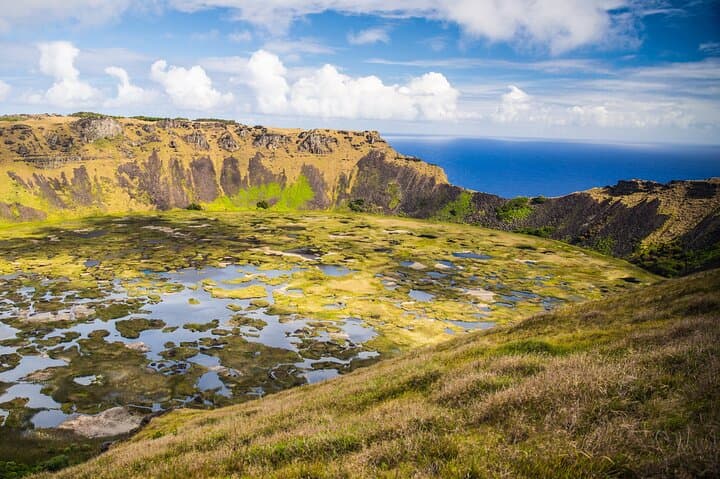
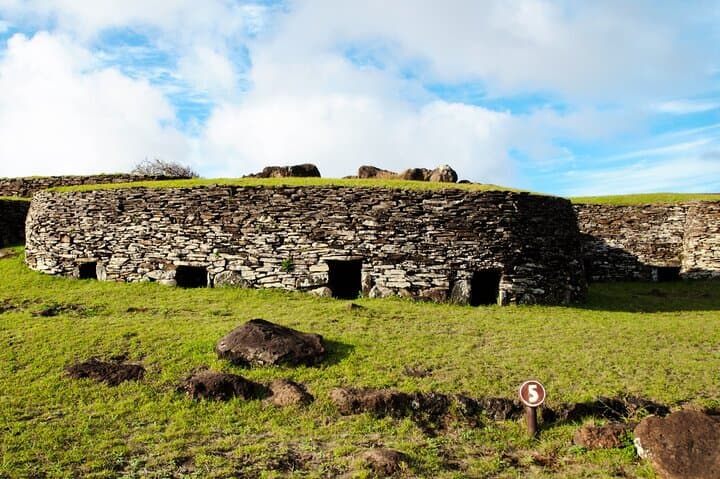
Standing on the western rim of Rano Kau, wind pushes hard against the crater’s lip and the Pacific dares you to look over. The crater’s green bowl drops away in dramatic concentric terraces while the ceremonial village of Orongo perches on the cliff-edge, its stone houses and petroglyphs staring out at the swell of sea that shaped the island’s history.
Standing on the western rim of Rano Kau, wind pushes hard against the crater’s lip and the Pacific dares you to look over. The crater’s green bowl drops away in dramatic concentric terraces while the ceremonial village of Orongo perches on the cliff-edge, its stone houses and petroglyphs staring out at the swell of sea that shaped the island’s history.
Geologically, Rano Kau is one of Rapa Nui’s three main volcanoes; its tuff rim and crater lake are the result of explosive eruptions and subsequent erosion. Culturally, Orongo was the stage for the Tangata Manu (Bird Man) ritual — a rugged test of sea, cliff and skill that decided yearly leadership. Nearby Vinapu presents a different puzzle: fitted stonework that has prompted debate about external contact and pre‑Columbian influence.
The half-day private tour typically runs two to three hours and combines short walks with standing-room archaeology; expect uneven stone paths, cliffside viewpoints and open exposure to wind and sun. Guides translate petroglyphs, explain moai context, and point out how conservation concerns shape access to fragile sites.
Practical notes: buy Parque Nacional Rapa Nui admission in advance (not included), wear grippy shoes for rocky surfaces, carry 1–2 liters of water and sun protection, and time the visit for morning or late afternoon to avoid the strongest winds and busiest periods. Respect roped areas: many ruins are actively conserved. With a guide and a measured pace, this half-day balances geology, living culture and seaworn drama into a compact, memorable experience.