THE ADVENTURE COLLECTIVE® · Independent discovery and booking for outdoor travel

Stand on the rim of an extinct volcano and watch the South Pacific fill the horizon. This half‑day Orongo and Rano Kau tour pairs dramatic coastal geology with the history of the Bird‑Man cult — a concise, guided introduction to Rapa Nui’s southern archaeological sites.
Stand on the rim of an extinct volcano and watch the South Pacific fill the horizon. This half‑day Orongo and Rano Kau tour pairs dramatic coastal geology with the history of the Bird‑Man cult — a concise, guided introduction to Rapa Nui’s southern archaeological sites.
You step onto the rim of Rano Kau with wind pressing against your jacket and the Pacific dropping away into a blue so vast it seems to pull the island’s history into focus.
Verified experiences and guided adventures in the surrounding area.
Operated by AROHA TOURS RAPA NUI · Hanga Roa, Valparaíso Region
You step onto the rim of Rano Kau with wind pressing against your jacket and the Pacific dropping away into a blue so vast it seems to pull the island’s history into focus.
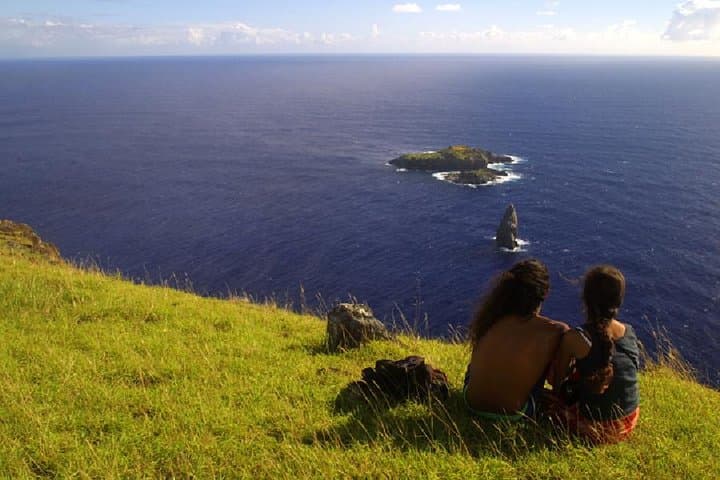
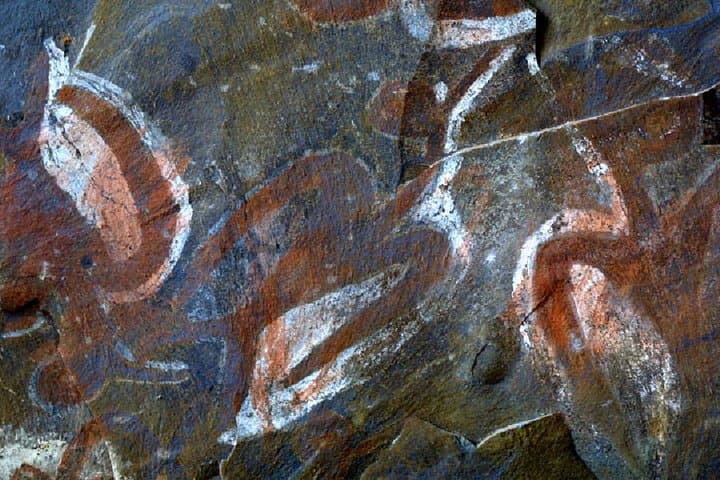
The half-day tour moves deliberately: a drive from Hanga Roa, a walk along the crater rim to the Orongo ceremonial village, then visits to Ahu Vinapu, a hidden painted cave and a peculiar moai platform with an anatomically unusual statue. Orongo perches on the cliff edge above islets where seabirds nested and the Tangata Manu (Bird‑Man) competitions once determined seasonal power.
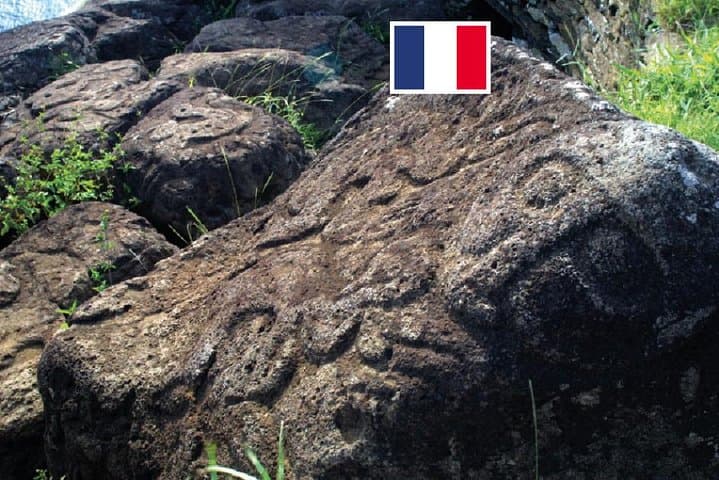
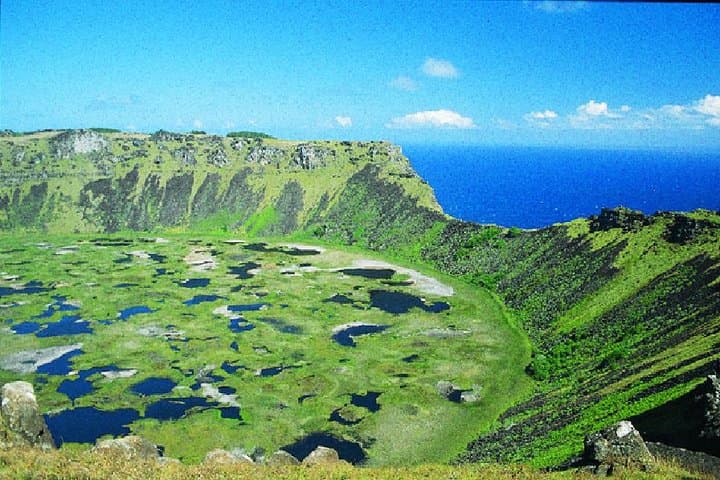
Geologically, Rano Kau is the eroded rim of one of the island’s three volcanoes; its crater lake and scalloped cliffs reveal layers of basalt and ash that shaped the island’s isolation. Archaeologically, Orongo’s stone houses and carved petroglyphs preserve a late precontact ritual focused on seabird eggs rather than monumental statue-building.
Culturally, guides explain how the Bird‑Man tradition replaced some moai-centered practices and how restoration choices have shaped what visitors see today.
Practical notes: the tour is about four hours with short walks on uneven ground and some steps. Bring cash for the Rapa Nui National Park ticket (entrance is separate), sturdy shoes, sun protection and a light wind layer — the crater rim is exposed. Photography is allowed but keep distance from archaeological structures. Expect 30–60 minutes at Orongo and similar time at Ahu Vinapu; a native French-speaking guide provides context and logistics are private transport from Hanga Roa. This itinerary suits travelers who want a compact, interpretive introduction to the island’s most dramatic cultural landscape.
easy.
4 hours.
Light fitness; able to walk short distances on uneven terrain and climb steps.
Yes — Rapa Nui National Park admission is purchased separately (USD cash often accepted at the park office) and covers access to Orongo and other sites.
No — it’s classified easy and suitable for most visitors, but there are uneven paths and cliffside stairs that require steady footing.
This listing specifies a French-speaking private guide; confirm available languages when booking.
Drones are generally restricted in archaeological zones and may require permits; follow park rules and ask your guide before flying.
Orongo was the ceremonial center of the Tangata Manu Bird‑Man cult, where competitors collected first seabird eggs to claim leadership each year.
The National Park fee supports restoration; visitors should stay on marked paths, avoid touching carvings and carry out all waste to protect delicate archaeological layers.
AROHA TOURS RAPA NUI operates guided outdoor trips and adventures with an emphasis on safety, stewardship, and memorable experiences.
You step onto the rim of Rano Kau with wind pressing against your jacket and the Pacific dropping away into a blue so vast it seems to pull the island’s history into focus.
You step onto the rim of Rano Kau with wind pressing against your jacket and the Pacific dropping away into a blue so vast it seems to pull the island’s history into focus.
The half-day tour moves deliberately: a drive from Hanga Roa, a walk along the crater rim to the Orongo ceremonial village, then visits to Ahu Vinapu, a hidden painted cave and a peculiar moai platform with an anatomically unusual statue. Orongo perches on the cliff edge above islets where seabirds nested and the Tangata Manu (Bird‑Man) competitions once determined seasonal power.
Geologically, Rano Kau is the eroded rim of one of the island’s three volcanoes; its crater lake and scalloped cliffs reveal layers of basalt and ash that shaped the island’s isolation. Archaeologically, Orongo’s stone houses and carved petroglyphs preserve a late precontact ritual focused on seabird eggs rather than monumental statue-building.
Culturally, guides explain how the Bird‑Man tradition replaced some moai-centered practices and how restoration choices have shaped what visitors see today.
Practical notes: the tour is about four hours with short walks on uneven ground and some steps. Bring cash for the Rapa Nui National Park ticket (entrance is separate), sturdy shoes, sun protection and a light wind layer — the crater rim is exposed. Photography is allowed but keep distance from archaeological structures. Expect 30–60 minutes at Orongo and similar time at Ahu Vinapu; a native French-speaking guide provides context and logistics are private transport from Hanga Roa. This itinerary suits travelers who want a compact, interpretive introduction to the island’s most dramatic cultural landscape.