THE ADVENTURE COLLECTIVE® · Independent discovery and booking for outdoor travel

Walk the rim where the Birdman ceremony once decided chiefs and leadership. This half-day loop—Orongo, Rano Kau, and Ahu Vinapu—pairs volcanic drama with precise stonework and living Rapa Nui stories.
Walk the rim where the Birdman ceremony once decided chiefs and leadership. This half-day loop—Orongo, Rano Kau, and Ahu Vinapu—pairs volcanic drama with precise stonework and living Rapa Nui stories.
You arrive at the crater rim with wind drafting along the cliff, the ocean daring you to look over the edge. Low grasses ripple and the volcanic lip of Rano Kau frames Motu Nui like an island stage; stone houses at Orongo sit like quiet witnesses to an ancient contest of skill and courage.
Verified experiences and guided adventures in the surrounding area.
Operated by Gray Line Chile · Hanga Roa, Valparaíso Region
You arrive at the crater rim with wind drafting along the cliff, the ocean daring you to look over the edge. Low grasses ripple and the volcanic lip of Rano Kau frames Motu Nui like an island stage; stone houses at Orongo sit like quiet witnesses to an ancient contest of skill and courage.
Orongo was the stage for the Tangata Manu, the Birdman ceremony that decided seasonal leadership and spiritual authority. Geologically, Rano Kau is a breached volcanic caldera whose steep rim and eroded tuff walls record the island’s violent volcanic past. Ahu Vinapu, visited later on the loop, shows the Rapa Nui builders’ precise stonework and hints of trans-Pacific architectural parallels that still provoke scholarly debate.
Culturally the route compresses the island’s layered identity: ancestor veneration, navigation by stars, and a relationship with the sea that shaped ritual life. Local guides underline that the ceremony connected clans to seabirds and seasonal cycles—nature here has agency, the ocean and birds still setting the tempo.
Practical guidance: the half-day tour runs about three hours and includes hotel pickup in Hanga Roa. Bring the Rapa Nui National Park pass (USD 100), printed or downloaded, sunscreen, at least 1–2 liters of water, and sturdy shoes for uneven rock and loose gravel. Weather shifts fast; layer up and follow walkways and guide instructions to protect fragile archaeology. Aim for morning light for clearer views and fewer people—this route is short on distance but rich in exposure and history.
easy.
3 hours.
Suitable for most fitness levels; involves short walks on uneven ground and some steps along a crater rim; mobility limitations may make some viewpoints inaccessible.
The shared tour is roughly three hours long with short guided walks at Orongo, viewpoints at Rano Kau, and Ahu Vinapu; each stop includes 20–45 minutes of on-foot exploration.
Yes—the USD 100 park pass is required to visit archaeological sites. Buy it at Mataveri Airport or online and carry a digital or printed copy.
The itinerary is family-friendly but infants must sit on laps during transport; cliff-edge viewpoints require close supervision for young children.
This tour does not offer port pickup and is generally not suitable for travelers arriving by cruise ship without an alternate transport plan to Hanga Roa.
Orongo and Rano Kau formed the ceremonial center of the Birdman competition, a post-moai social adaptation that linked clans to seabird cycles and asserted seasonal leadership.
Rapa Nui’s archaeology is highly vulnerable to erosion and foot traffic; staying on trails and respecting signage prevents irreversible damage and supports the park’s conservation goals.
Gray Line Chile operates guided outdoor trips and adventures with an emphasis on safety, stewardship, and memorable experiences.
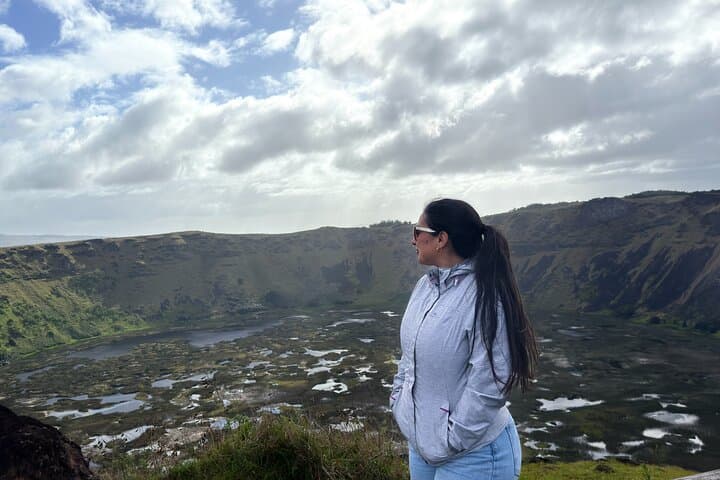
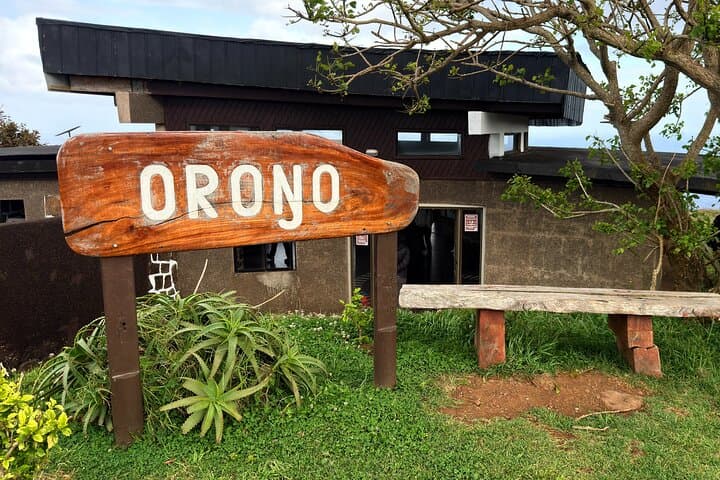
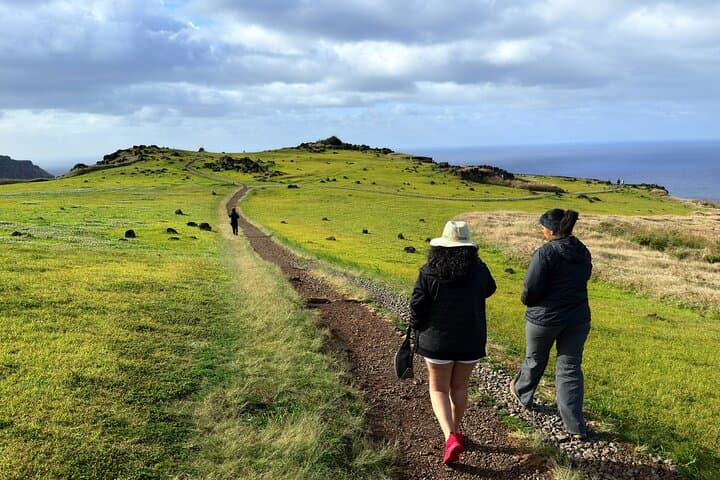
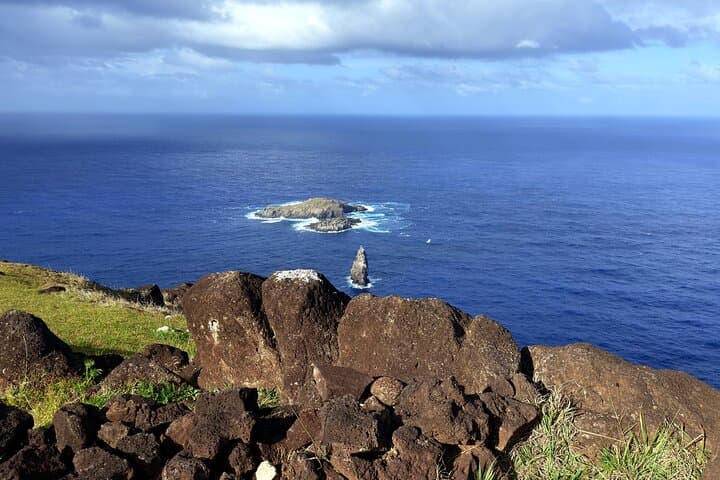
You arrive at the crater rim with wind drafting along the cliff, the ocean daring you to look over the edge. Low grasses ripple and the volcanic lip of Rano Kau frames Motu Nui like an island stage; stone houses at Orongo sit like quiet witnesses to an ancient contest of skill and courage.
You arrive at the crater rim with wind drafting along the cliff, the ocean daring you to look over the edge. Low grasses ripple and the volcanic lip of Rano Kau frames Motu Nui like an island stage; stone houses at Orongo sit like quiet witnesses to an ancient contest of skill and courage.
Orongo was the stage for the Tangata Manu, the Birdman ceremony that decided seasonal leadership and spiritual authority. Geologically, Rano Kau is a breached volcanic caldera whose steep rim and eroded tuff walls record the island’s violent volcanic past. Ahu Vinapu, visited later on the loop, shows the Rapa Nui builders’ precise stonework and hints of trans-Pacific architectural parallels that still provoke scholarly debate.
Culturally the route compresses the island’s layered identity: ancestor veneration, navigation by stars, and a relationship with the sea that shaped ritual life. Local guides underline that the ceremony connected clans to seabirds and seasonal cycles—nature here has agency, the ocean and birds still setting the tempo.
Practical guidance: the half-day tour runs about three hours and includes hotel pickup in Hanga Roa. Bring the Rapa Nui National Park pass (USD 100), printed or downloaded, sunscreen, at least 1–2 liters of water, and sturdy shoes for uneven rock and loose gravel. Weather shifts fast; layer up and follow walkways and guide instructions to protect fragile archaeology. Aim for morning light for clearer views and fewer people—this route is short on distance but rich in exposure and history.