THE ADVENTURE COLLECTIVE® · Independent discovery and booking for outdoor travel

A private, two-hour walking tour that traces downtown Orlando’s historic core and its ghost stories. Visit Cheyenne Saloon, Church Street Station, the Grand Bohemian, the Angebilt Building and St. James Cathedral with a local guide.
A private, two-hour walking tour that traces downtown Orlando’s historic core and its ghost stories. Visit Cheyenne Saloon, Church Street Station, the Grand Bohemian, the Angebilt Building and St. James Cathedral with a local guide.
Step off Church Street as the city’s neon hum softens and the old brick façades begin to move in the corner of your eye. The tour starts at the Cheyenne Saloon, where the creak of floorboards and the smell of aged wood seem to sketch shapes in the dark. Over two hours a guide threads local lore into streets and doorways — from the ironwork of the Angebilt Building to the polished lobby of the Grand Bohemian Hotel.
Verified experiences and guided adventures in the surrounding area.
Operated by Opatrip.com USA · Orlando, Florida
Step off Church Street as the city’s neon hum softens and the old brick façades begin to move in the corner of your eye. The tour starts at the Cheyenne Saloon, where the creak of floorboards and the smell of aged wood seem to sketch shapes in the dark. Over two hours a guide threads local lore into streets and doorways — from the ironwork of the Angebilt Building to the polished lobby of the Grand Bohemian Hotel.
Downtown Orlando grew around rail lines and citrus fortunes in the late 19th and early 20th centuries; those transport corridors and boom-era hotels left layers of stories that feed modern ghost talk. Geologically, you’re walking on Florida’s limestone platform—shallow soils and historic canals helped shape settlement patterns and the city’s urban core. Culturally, the loop around Church Street Station and the Central Business District shows Orlando’s switch from railroad town to entertainment and hospitality capital.
Expect mostly flat, paved walking on well-lit streets with several short stops to hear the backstory behind each site. The guide will point out historic plaques, architectural cues, and anecdotal evidence of unexplained events; photography is common but be respectful in active worship spaces near St. James Catholic Cathedral.
Practical planning: book a private slot for a tailored pace, bring a refillable water bottle, wear comfortable walking shoes, and plan for evening temperatures that can shift quickly in spring and fall. This is an easy urban walk that rewards curiosity and a readiness to listen for the city’s quieter histories.
easy.
2 hours.
Suitable for most fitness levels; involves two hours of mostly flat walking and several brief standing stops
Yes; the walk is easy, but content includes ghost stories and local legends—use your judgment for younger children.
About two hours of mostly flat, paved walking with multiple short stops totaling roughly 1–1.5 miles depending on route variations.
Photography is allowed in public spaces; be courteous in worship sites and private hotel lobbies where staff may restrict shots.
The tour typically proceeds in light rain—bring a rain layer; heavy storms may prompt rescheduling per host policy.
Orlando’s downtown grew up around the railroad and citrus trade in the late 1800s and expanded through boom-era hotels and early 20th-century office buildings like the Angebilt.
Stick to sidewalks and marked paths to protect fragile urban tree roots and avoid disturbing historic façades; support locally owned businesses that steward downtown heritage.
Opatrip.com USA operates guided outdoor trips and adventures with an emphasis on safety, stewardship, and memorable experiences.

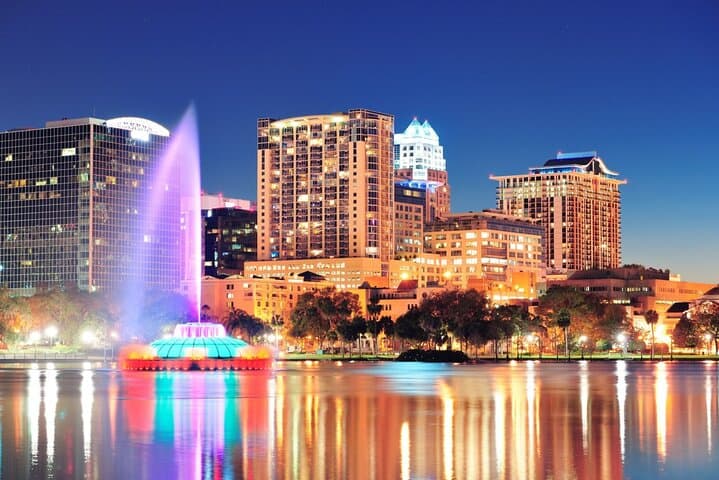
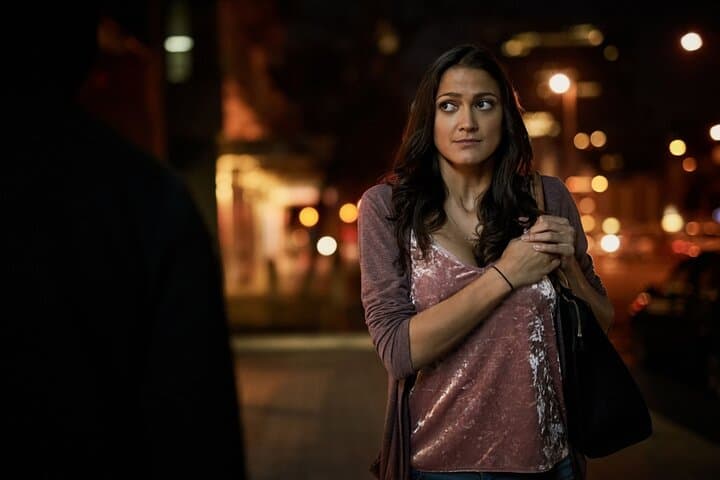
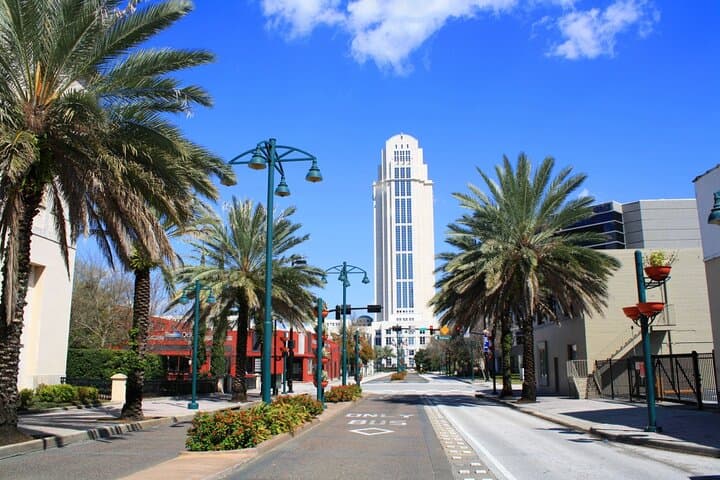
Step off Church Street as the city’s neon hum softens and the old brick façades begin to move in the corner of your eye. The tour starts at the Cheyenne Saloon, where the creak of floorboards and the smell of aged wood seem to sketch shapes in the dark. Over two hours a guide threads local lore into streets and doorways — from the ironwork of the Angebilt Building to the polished lobby of the Grand Bohemian Hotel.
Step off Church Street as the city’s neon hum softens and the old brick façades begin to move in the corner of your eye. The tour starts at the Cheyenne Saloon, where the creak of floorboards and the smell of aged wood seem to sketch shapes in the dark. Over two hours a guide threads local lore into streets and doorways — from the ironwork of the Angebilt Building to the polished lobby of the Grand Bohemian Hotel.
Downtown Orlando grew around rail lines and citrus fortunes in the late 19th and early 20th centuries; those transport corridors and boom-era hotels left layers of stories that feed modern ghost talk. Geologically, you’re walking on Florida’s limestone platform—shallow soils and historic canals helped shape settlement patterns and the city’s urban core. Culturally, the loop around Church Street Station and the Central Business District shows Orlando’s switch from railroad town to entertainment and hospitality capital.
Expect mostly flat, paved walking on well-lit streets with several short stops to hear the backstory behind each site. The guide will point out historic plaques, architectural cues, and anecdotal evidence of unexplained events; photography is common but be respectful in active worship spaces near St. James Catholic Cathedral.
Practical planning: book a private slot for a tailored pace, bring a refillable water bottle, wear comfortable walking shoes, and plan for evening temperatures that can shift quickly in spring and fall. This is an easy urban walk that rewards curiosity and a readiness to listen for the city’s quieter histories.