THE ADVENTURE COLLECTIVE® · Independent discovery and booking for outdoor travel

Paddle calm cypress-lined channels of the St. Johns River to observe manatees and hear the Olde Florida stories that follow the water’s path. This two-hour, family-friendly tour combines wildlife viewing with local history and beginner-friendly paddling.
Paddle calm cypress-lined channels of the St. Johns River to observe manatees and hear the Olde Florida stories that follow the water’s path. This two-hour, family-friendly tour combines wildlife viewing with local history and beginner-friendly paddling.
The sun warms the cypress knees as kayaks and paddleboards slip from shore into a slow, glassy arm of the St. Johns River. Manatees—broad, curious and often unhurried—break the water’s surface nearby, nudging visitors into quiet observation rather than pursuit. Guides brief the group on safety, then steer the small flotilla beneath low industrial-era railway trestles that once moved goods and people into a growing Florida.
Verified experiences and guided adventures in the surrounding area.
Operated by Three Brothers Boards Dolphin and Manatee Paddle Board Tours · Orlando, Florida
The sun warms the cypress knees as kayaks and paddleboards slip from shore into a slow, glassy arm of the St. Johns River. Manatees—broad, curious and often unhurried—break the water’s surface nearby, nudging visitors into quiet observation rather than pursuit. Guides brief the group on safety, then steer the small flotilla beneath low industrial-era railway trestles that once moved goods and people into a growing Florida.
This stretch of the St. Johns traces both natural and human histories: a north-flowing river carved through limestone and marsh, and banks shaped by 19th-century transport and the citrus era. Cypress trees drape the channel; where mud meets root, osprey and herons pick lines of current. The region’s geology—limestone underlayers and freshwater springs—helps explain why manatees congregate here, especially when cold spells push them toward warmer pockets of water.
Expect calm water, shallow channels and frequent wildlife sightings; operators report manatees on most departures. Tours run about two hours and are suitable for beginners, families and mixed-ability groups. Guides provide kayaks, paddleboards, PFDs and interpretation; children under 12 may ride double with an adult.
Practical notes: arrive early to park and get fitted for gear, wear reef-sole shoes, and bring layered sun protection and a refillable water bottle. Keep distance from manatees, follow the guide’s directions, and plan for higher sighting odds in cooler months when animals seek warm refuges. This tour pairs accessible paddling with local history—an efficient, low-impact way to meet Florida’s gentle giants and learn why the St. Johns shaped the region.
easy.
2 hours.
Suitable for beginners and families; basic upper-body endurance for paddling and getting in/out of a kayak or paddleboard.
Operators report manatees on over 90% of tours; sightings are common year-round but increase in cooler months when animals seek warmer water.
Yes—children under 12 must ride double with a guardian or guide; children under 8 require a child ticket per operator policy.
Tours are beginner-friendly; guides provide a short lesson on strokes and safety before launching and assist paddlers throughout the trip.
Most operators do not permit pets on guided manatee tours—check the specific operator policy and consider leaving pets at home for the animals’ safety.
The St. Johns River was a critical transport corridor in 19th-century Florida; rail and river networks helped spur settlement and the citrus trade in the Orlando region.
Manatees are federally protected; responsible wildlife tourism minimizes disturbance—follow guide instructions, avoid feeding, and use reef-friendly sunscreen to reduce runoff impacts.
Three Brothers Boards Dolphin and Manatee Paddle Board Tours operates guided outdoor trips and adventures with an emphasis on safety, stewardship, and memorable experiences.


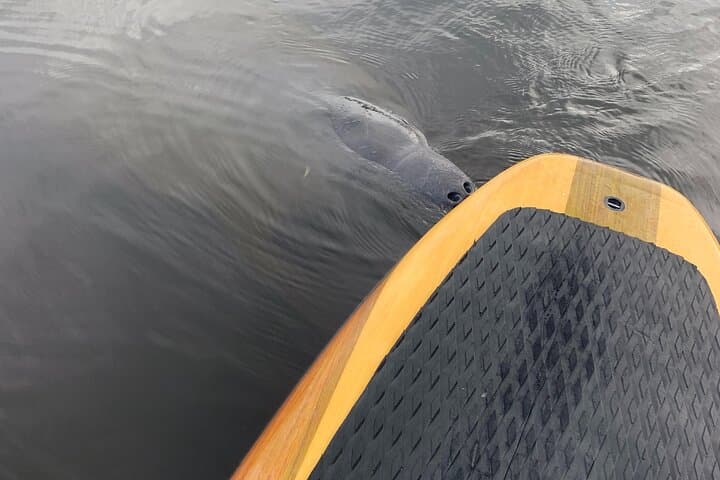
The sun warms the cypress knees as kayaks and paddleboards slip from shore into a slow, glassy arm of the St. Johns River. Manatees—broad, curious and often unhurried—break the water’s surface nearby, nudging visitors into quiet observation rather than pursuit. Guides brief the group on safety, then steer the small flotilla beneath low industrial-era railway trestles that once moved goods and people into a growing Florida.
The sun warms the cypress knees as kayaks and paddleboards slip from shore into a slow, glassy arm of the St. Johns River. Manatees—broad, curious and often unhurried—break the water’s surface nearby, nudging visitors into quiet observation rather than pursuit. Guides brief the group on safety, then steer the small flotilla beneath low industrial-era railway trestles that once moved goods and people into a growing Florida.
This stretch of the St. Johns traces both natural and human histories: a north-flowing river carved through limestone and marsh, and banks shaped by 19th-century transport and the citrus era. Cypress trees drape the channel; where mud meets root, osprey and herons pick lines of current. The region’s geology—limestone underlayers and freshwater springs—helps explain why manatees congregate here, especially when cold spells push them toward warmer pockets of water.
Expect calm water, shallow channels and frequent wildlife sightings; operators report manatees on most departures. Tours run about two hours and are suitable for beginners, families and mixed-ability groups. Guides provide kayaks, paddleboards, PFDs and interpretation; children under 12 may ride double with an adult.
Practical notes: arrive early to park and get fitted for gear, wear reef-sole shoes, and bring layered sun protection and a refillable water bottle. Keep distance from manatees, follow the guide’s directions, and plan for higher sighting odds in cooler months when animals seek warm refuges. This tour pairs accessible paddling with local history—an efficient, low-impact way to meet Florida’s gentle giants and learn why the St. Johns shaped the region.