THE ADVENTURE COLLECTIVE® · Independent discovery and booking for outdoor travel

Head east from Orlando to Port Canaveral and Mosquito Lagoon for a guided inshore fishing day targeting snook, redfish, spotted trout, snapper and black drum. Captains supply rods, tackle and local knowledge on 4–8 hour private charters suitable for families and anglers of all levels.
Head east from Orlando to Port Canaveral and Mosquito Lagoon for a guided inshore fishing day targeting snook, redfish, spotted trout, snapper and black drum. Captains supply rods, tackle and local knowledge on 4–8 hour private charters suitable for families and anglers of all levels.
The skiff slips away from the dock as dawn washes a pale gold across the Indian River; gulls pick at the wake and a pod of dolphins threads through the channel like inquisitive commas. A captain checks lines, hands you a rod, and points where the flats drop into the deeper cut — good water where redfish patrol and spotted sea trout ambush shrimp. The first cast is quiet and exact: the estuary answers with a tug.
Verified experiences and guided adventures in the surrounding area.
Operated by iOutdoor Fishing Adventures · Port Canaveral, Florida
The skiff slips away from the dock as dawn washes a pale gold across the Indian River; gulls pick at the wake and a pod of dolphins threads through the channel like inquisitive commas. A captain checks lines, hands you a rod, and points where the flats drop into the deeper cut — good water where redfish patrol and spotted sea trout ambush shrimp. The first cast is quiet and exact: the estuary answers with a tug.
This stretch of coast—Mosquito Lagoon, Banana River and the wider Indian River Lagoon—holds one of North America’s richest inshore fisheries. Geologically it’s a shallow estuarine system carved by rising sea levels and fed by barrier island breaches; ecologically it’s a nursery for snook, redfish, black drum, snapper and trout. Port Canaveral and nearby Titusville grew up as working harbors and launch points, sharing the shoreline with a long local culture of recreational anglers, charter captains and seafood docks.
On an Orlando-based inshore charter, the experience is straightforward: meet at the marina or boat ramp in the Port Canaveral/Titusville corridor, board a modern shallow-draft skiff, and spend 4–8 hours moving between flats, mangrove cuts and oyster bars. Captains provide rods, reels, tackle, safety gear and required licenses, so anglers can focus on timing tides and reading water. Tidal flow dictates where the fish will be — the incoming tide pushes bait into finger channels; the outgoing pulls them back along the edges. That rhythm is part of the day’s navigation as much as a map.
Practical edge: early morning and late afternoon deliver the best light and active bites, and the trip is adaptable — anglers targeting snook and redfish head to mangrove-lined creeks, while those after trout and snapper look for deeper grass beds and edges. Bring polarized sunglasses to pick out subsurface structure, and pack motion-sickness meds if you’re sensitive; flats fishing can be choppy near the inlets. Expect a mix of wildlife sightings: dolphins, occasional manatees, seabirds and the distant silhouette of cruise ships at Port Canaveral.
Sustainability matters here: the lagoon system is fragile—practices like quick handling, returning oversize or spawning fish, and using barbless hooks help. Charters often advise catch-and-release for breeding snook and monitor seasonal closures.
This is a trip that pairs easily with an Orlando itinerary—an hour from Disney-area hotels—and it’s family-friendly by design. Whether you’re chasing a trophy redfish or just after a scenic half-day on the water, the combination of patient local knowledge and the estuary’s steady drama makes for a memorable inshore day: the tide pulls, the rod bends, and the salt air keeps you honest.
easy.
4–8 hours.
Suitable for most fitness levels; expect standing, short walks on docks, and getting on/off a low boat.
No—licenses required for the trip are included in the charter price; confirm with your captain before departure.
These are private charters; capacity depends on the boat but typical inshore skiffs hold 4–6 passengers—confirm at booking.
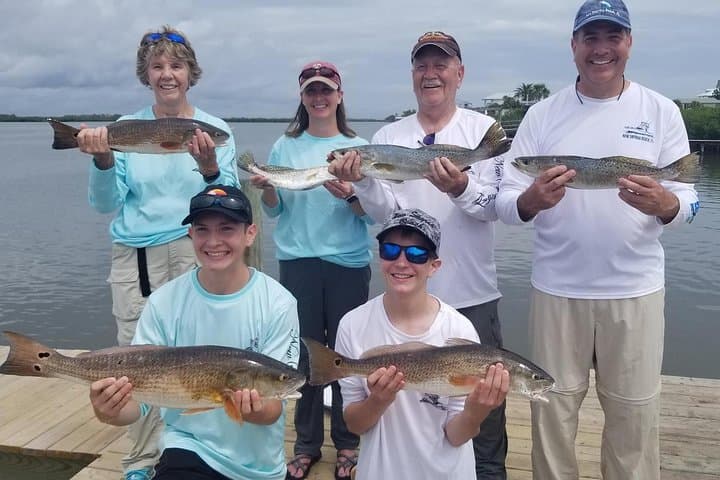
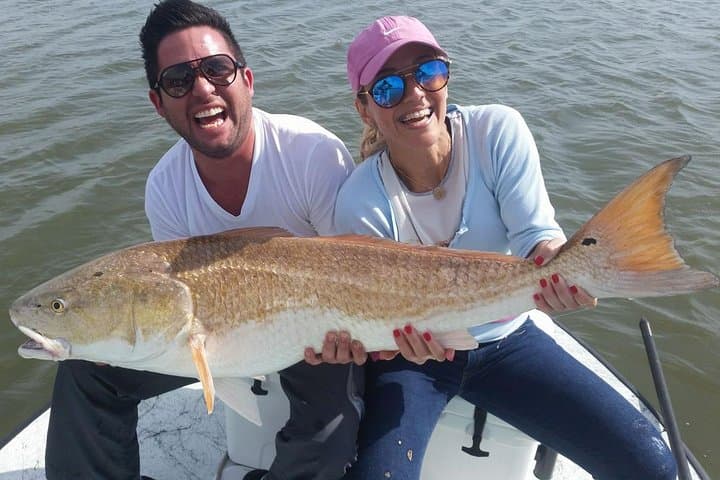
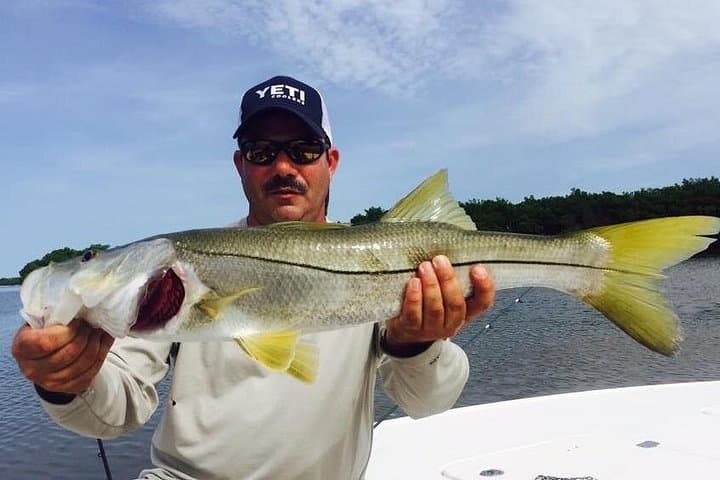
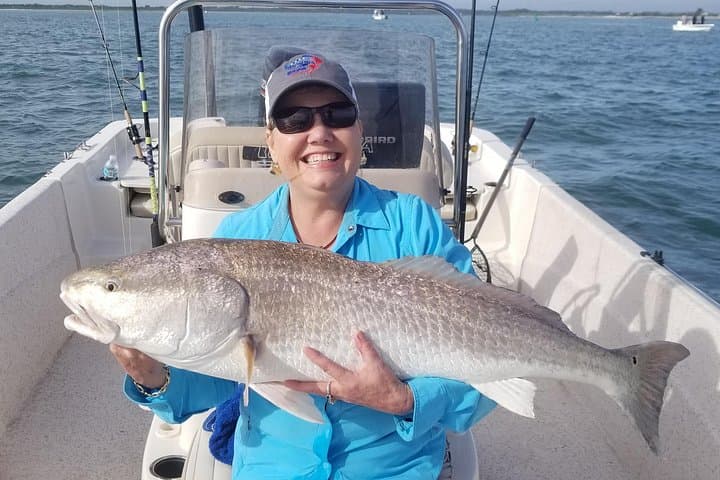
Common catches include snook, redfish, spotted sea trout, snapper and black drum, depending on season and tides.
Yes; the tour notes say infants can ride in strollers and the experience is suitable for a wide range of ages.
The operator cancels for bad weather—full refund if cancelled at least 24 hours prior; check their specific policy on the booking confirmation.
Meeting is at a city boat ramp or marina in the Port Canaveral/Titusville area; drive time from Orlando is about 45–60 minutes depending on your starting point.
The Port Canaveral corridor has long been a working harbor and launch point; local fishing traditions grew alongside commercial marinas and the space program’s coastal infrastructure.
The lagoon system is ecologically sensitive—captains encourage responsible catch-and-release, respect for seagrass beds, and minimization of single-use plastics.
iOutdoor Fishing Adventures operates guided outdoor trips and adventures with an emphasis on safety, stewardship, and memorable experiences.
The skiff slips away from the dock as dawn washes a pale gold across the Indian River; gulls pick at the wake and a pod of dolphins threads through the channel like inquisitive commas. A captain checks lines, hands you a rod, and points where the flats drop into the deeper cut — good water where redfish patrol and spotted sea trout ambush shrimp. The first cast is quiet and exact: the estuary answers with a tug.
The skiff slips away from the dock as dawn washes a pale gold across the Indian River; gulls pick at the wake and a pod of dolphins threads through the channel like inquisitive commas. A captain checks lines, hands you a rod, and points where the flats drop into the deeper cut — good water where redfish patrol and spotted sea trout ambush shrimp. The first cast is quiet and exact: the estuary answers with a tug.
This stretch of coast—Mosquito Lagoon, Banana River and the wider Indian River Lagoon—holds one of North America’s richest inshore fisheries. Geologically it’s a shallow estuarine system carved by rising sea levels and fed by barrier island breaches; ecologically it’s a nursery for snook, redfish, black drum, snapper and trout. Port Canaveral and nearby Titusville grew up as working harbors and launch points, sharing the shoreline with a long local culture of recreational anglers, charter captains and seafood docks.
On an Orlando-based inshore charter, the experience is straightforward: meet at the marina or boat ramp in the Port Canaveral/Titusville corridor, board a modern shallow-draft skiff, and spend 4–8 hours moving between flats, mangrove cuts and oyster bars. Captains provide rods, reels, tackle, safety gear and required licenses, so anglers can focus on timing tides and reading water. Tidal flow dictates where the fish will be — the incoming tide pushes bait into finger channels; the outgoing pulls them back along the edges. That rhythm is part of the day’s navigation as much as a map.
Practical edge: early morning and late afternoon deliver the best light and active bites, and the trip is adaptable — anglers targeting snook and redfish head to mangrove-lined creeks, while those after trout and snapper look for deeper grass beds and edges. Bring polarized sunglasses to pick out subsurface structure, and pack motion-sickness meds if you’re sensitive; flats fishing can be choppy near the inlets. Expect a mix of wildlife sightings: dolphins, occasional manatees, seabirds and the distant silhouette of cruise ships at Port Canaveral.
Sustainability matters here: the lagoon system is fragile—practices like quick handling, returning oversize or spawning fish, and using barbless hooks help. Charters often advise catch-and-release for breeding snook and monitor seasonal closures.
This is a trip that pairs easily with an Orlando itinerary—an hour from Disney-area hotels—and it’s family-friendly by design. Whether you’re chasing a trophy redfish or just after a scenic half-day on the water, the combination of patient local knowledge and the estuary’s steady drama makes for a memorable inshore day: the tide pulls, the rod bends, and the salt air keeps you honest.