THE ADVENTURE COLLECTIVE® · Independent discovery and booking for outdoor travel

Trace 5,000 years of history in a single day on this semi‑private Orkney tour. From the Stones of Stenness and Ring of Brodgar to the Italian Chapel and St. Magnus Cathedral, expect short walks, dramatic skies, and Norse‑era echoes.
Trace 5,000 years of history in a single day on this semi‑private Orkney tour. From the Stones of Stenness and Ring of Brodgar to the Italian Chapel and St. Magnus Cathedral, expect short walks, dramatic skies, and Norse‑era echoes.
You step off the coach into wind that scours the horizon flat and reveals the stones: four vertical megaliths at the Stones of Stenness, their edges biting the low Orkney sky. The air smells of sea and peat; gulls cry overhead as the tour unfolds from Neolithic circles to an iron-age broch and a chapel painted by prisoners who left beauty where confinement once was.
Verified experiences and guided adventures in the surrounding area.
Operated by Top Private Tours UK · Kirkwall, Orkney Islands
You step off the coach into wind that scours the horizon flat and reveals the stones: four vertical megaliths at the Stones of Stenness, their edges biting the low Orkney sky. The air smells of sea and peat; gulls cry overhead as the tour unfolds from Neolithic circles to an iron-age broch and a chapel painted by prisoners who left beauty where confinement once was.
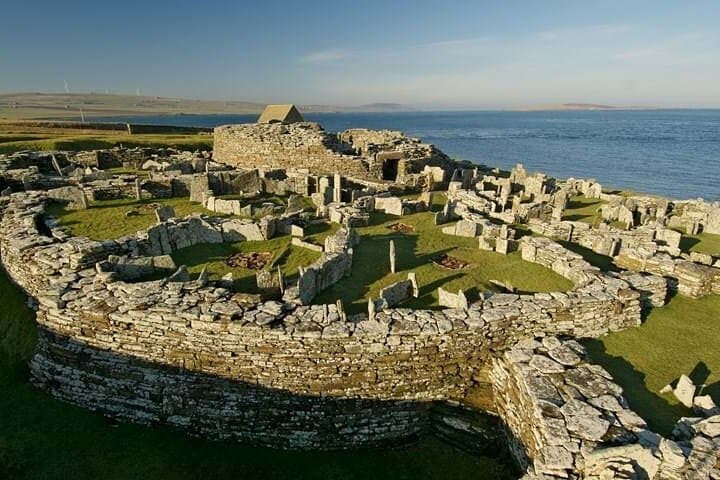
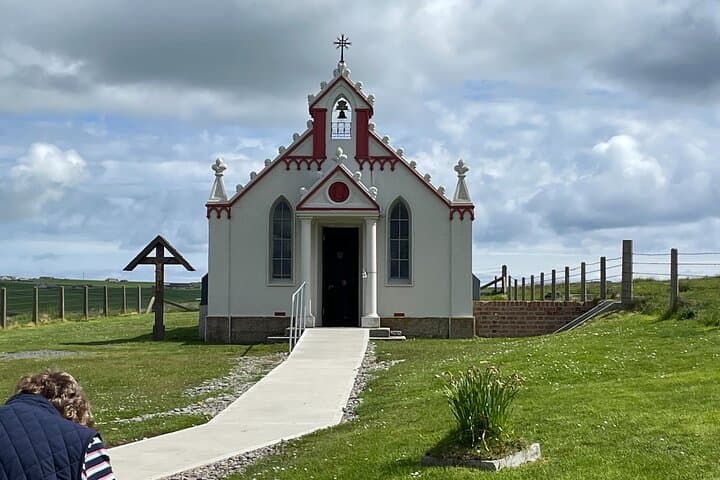
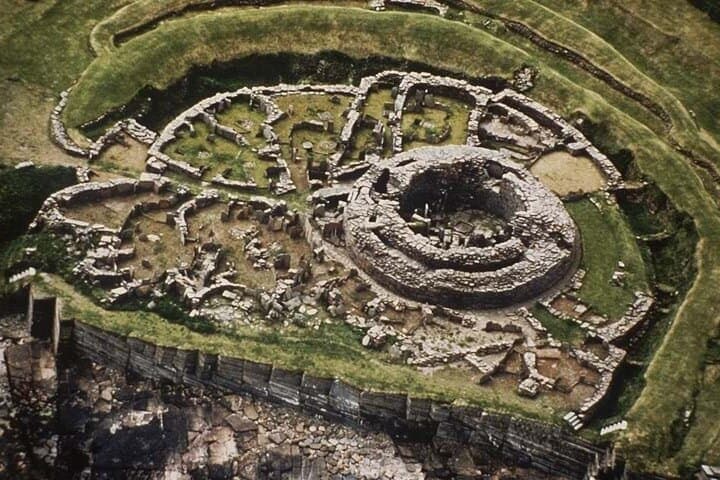
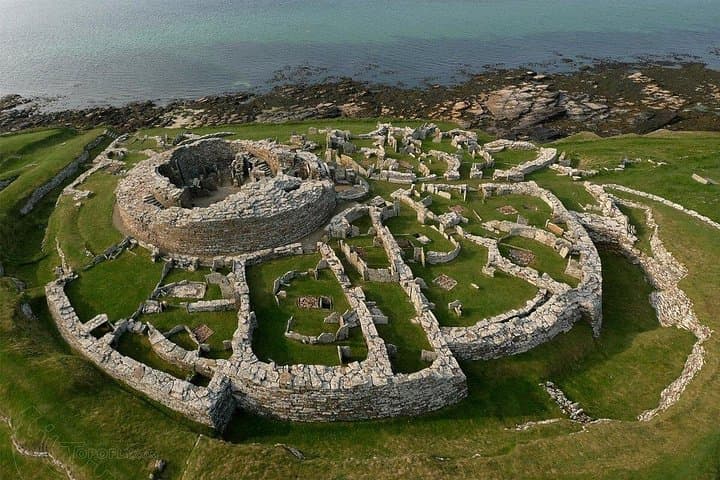
Orkney’s human story spans millennia. The Ring of Brodgar and Stones of Stenness date to around 3000–2000 BC and sit on Old Red Sandstone shaped by glaciation. Broch of Gurness preserves Iron Age domestic lines — thick drystone walls and wheelhouses — while the Italian Chapel on Lamb Holm is a mid-20th-century marvel made from Nissen huts and hand-painted altars. Kirkwall’s St. Magnus Cathedral, founded in 1137 by Viking earls, anchors the town’s Norse-influenced culture and maritime economy.
On this semi-private loop you’ll spend roughly 6–7 hours moving between sites, with short walks across uneven turf, sea-side lanes, and cobbled streets. Expect low elevation but uneven footing and open exposure to wind and rain. Guides build in free time for Kirkwall cafés, museum stops, or quick souvenir hunting.
Practical advice: wear layered waterproofs and sturdy shoes, bring a charged camera and small pack, and allow time for wind-driven weather changes. If you’re arriving by cruise, confirm pick-up windows — the schedule is tight. This tour balances accessible walking with rich archaeology: it’s a concentrated primer on Orkney’s long human story and elemental coastline.
moderate.
6–7 hours.
Suitable for most people who can walk short distances over uneven ground and climb a few steps; stamina for a half‑day of activity is helpful.
The tour is about 6–7 hours and visits Stones of Stenness, Ring of Brodgar, Broch of Gurness, the Italian Chapel, St. Magnus Cathedral and Kirkwall for free time.
The tour involves short walks across uneven terrain and some steps; it’s generally suitable for those comfortable with moderate walking but not recommended for severe mobility limitations.
Some attractions have admission included by the operator; confirm at booking for specific sites — others may be exterior visits with no entry fees.
Yes — the tour schedule can be adjusted to cruise arrival times but confirm pickup details and allow time for disembarkation; guides observe strict courtesy waiting times.
Orkney’s cultural layers range from Neolithic ritual landscapes to Norse earldoms; St. Magnus Cathedral reflects the islands’ Viking-era ecclesiastical power founded in 1137.
Many sites sit on fragile peat and grassland — stick to paths, avoid climbing stones, and pack out rubbish to protect archaeology and nesting birds.
Top Private Tours UK operates guided outdoor trips and adventures with an emphasis on safety, stewardship, and memorable experiences.
You step off the coach into wind that scours the horizon flat and reveals the stones: four vertical megaliths at the Stones of Stenness, their edges biting the low Orkney sky. The air smells of sea and peat; gulls cry overhead as the tour unfolds from Neolithic circles to an iron-age broch and a chapel painted by prisoners who left beauty where confinement once was.
You step off the coach into wind that scours the horizon flat and reveals the stones: four vertical megaliths at the Stones of Stenness, their edges biting the low Orkney sky. The air smells of sea and peat; gulls cry overhead as the tour unfolds from Neolithic circles to an iron-age broch and a chapel painted by prisoners who left beauty where confinement once was.
Orkney’s human story spans millennia. The Ring of Brodgar and Stones of Stenness date to around 3000–2000 BC and sit on Old Red Sandstone shaped by glaciation. Broch of Gurness preserves Iron Age domestic lines — thick drystone walls and wheelhouses — while the Italian Chapel on Lamb Holm is a mid-20th-century marvel made from Nissen huts and hand-painted altars. Kirkwall’s St. Magnus Cathedral, founded in 1137 by Viking earls, anchors the town’s Norse-influenced culture and maritime economy.
On this semi-private loop you’ll spend roughly 6–7 hours moving between sites, with short walks across uneven turf, sea-side lanes, and cobbled streets. Expect low elevation but uneven footing and open exposure to wind and rain. Guides build in free time for Kirkwall cafés, museum stops, or quick souvenir hunting.
Practical advice: wear layered waterproofs and sturdy shoes, bring a charged camera and small pack, and allow time for wind-driven weather changes. If you’re arriving by cruise, confirm pick-up windows — the schedule is tight. This tour balances accessible walking with rich archaeology: it’s a concentrated primer on Orkney’s long human story and elemental coastline.