THE ADVENTURE COLLECTIVE® · Independent discovery and booking for outdoor travel

Walk the Strand after dark with guides who weave archival history and local lore into spine‑tingling stories. This 90‑minute tour highlights Galveston’s haunted hotels, storm‑era tragedies, and the island’s resilient past.
Walk the Strand after dark with guides who weave archival history and local lore into spine‑tingling stories. This 90‑minute tour highlights Galveston’s haunted hotels, storm‑era tragedies, and the island’s resilient past.
Night compresses over the Strand as the crowd gathers on the Railroad Museum steps at 25th and Strand — gas lamps gone, but the block still breathes with old money, salt, and stories. Guides lead with measured cadence, voices low, pointing to ornate 19th‑century façades whose porches and ironwork seem to keep their own counsel. The Gulf breeze threads through alleys and dares you to look up where windows have watched generations pass.
Verified experiences and guided adventures in the surrounding area.
Operated by Spooky Galveston · Galveston, Texas
Night compresses over the Strand as the crowd gathers on the Railroad Museum steps at 25th and Strand — gas lamps gone, but the block still breathes with old money, salt, and stories. Guides lead with measured cadence, voices low, pointing to ornate 19th‑century façades whose porches and ironwork seem to keep their own counsel. The Gulf breeze threads through alleys and dares you to look up where windows have watched generations pass.
Galveston’s Strand Historic District rose from boom‑town commerce in the late 1800s, rebuilt and transformed after the catastrophic 1900 storm that reshaped the island’s shoreline and psyche. The stones and bricks here tell a layered story of trade, shipyards, hurricanes and the city’s Victorian prosperity; those same events seed the tour’s ghost stories — tragic sinkings, hotel rooms with restless guests, and the social aftershocks of loss and rebuilding.
Culturally, this walk moves through a living museum: restored storefronts, old hotels like the Tremont, and maritime markers that anchor local memory. Guides mix archival fact with oral lore, giving visitors both context and the theatrical chills that make the Strand at night feel inhabited in two eras.
Practical guidance: the tour is a 90‑minute, low‑impact walking route on paved streets with periodic stops. Wear comfortable shoes, bring a light jacket — Gulf nights can sharpen quickly — and a small flashlight for uneven curbs. Public transit and street parking are nearby; tours run rain or shine but may cancel for severe weather. Expect clear storytelling, close urban spaces, and an evening that frames Galveston’s history through the particular lens of its unanswered questions.
easy.
1–1.5 hours.
Suitable for most fitness levels; requires standing and walking on flat urban streets for roughly 90 minutes.
The meeting point is on the steps of the Railroad Museum facing the Strand (25th and Strand); the route finishes near the Tremont Hotel at 23rd and Mechanic.
Yes — the tour is listed as wheelchair and stroller accessible with paved surfaces, though some curbs may require assistance.
Families with older children who can handle night stories and a 90‑minute walk will enjoy it; content includes historical tragedies and ghost lore, so use discretion for young kids.
Tours run in light rain but may be canceled for severe weather; the operator will notify guests in advance where possible.
The Strand grew into a mercantile hub in the late 1800s and was physically and culturally reshaped by the Great Storm of 1900, events that underpin many local legends.
Galveston’s historic district is preserved through local restoration efforts; visitors can reduce impact by staying on sidewalks, avoiding touching fragile façades, and supporting local businesses.
Spooky Galveston operates guided outdoor trips and adventures with an emphasis on safety, stewardship, and memorable experiences.
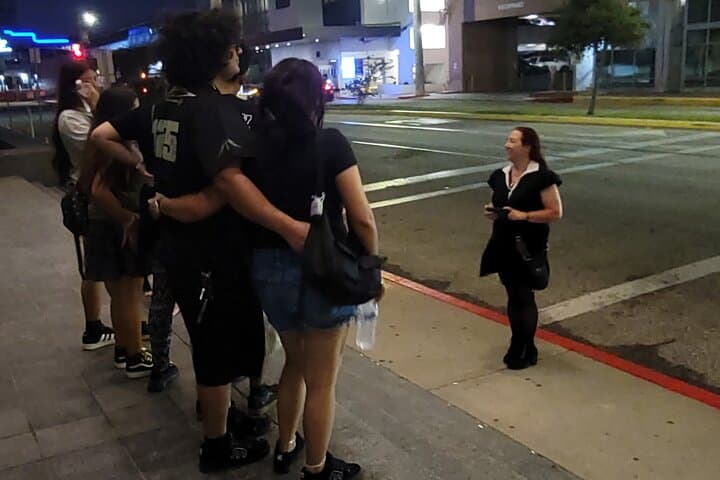
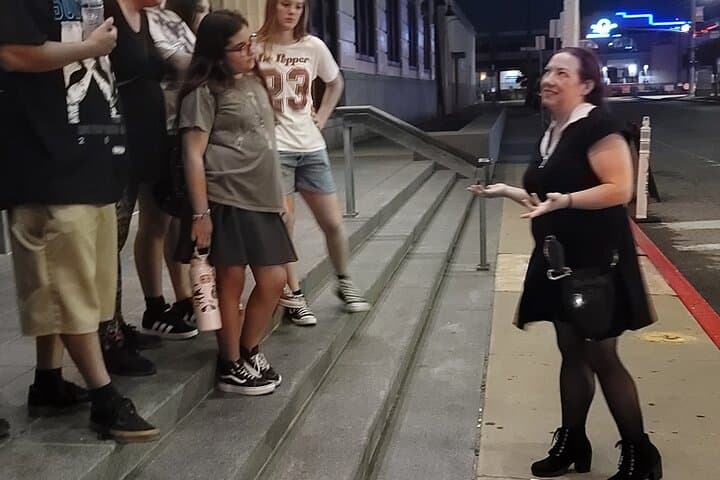
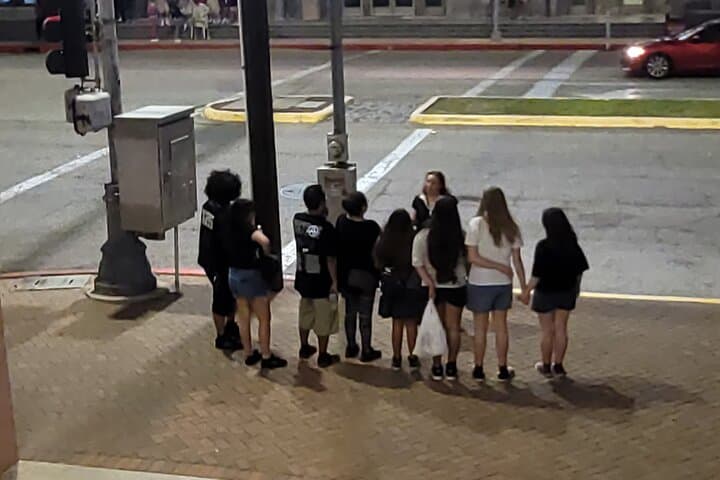
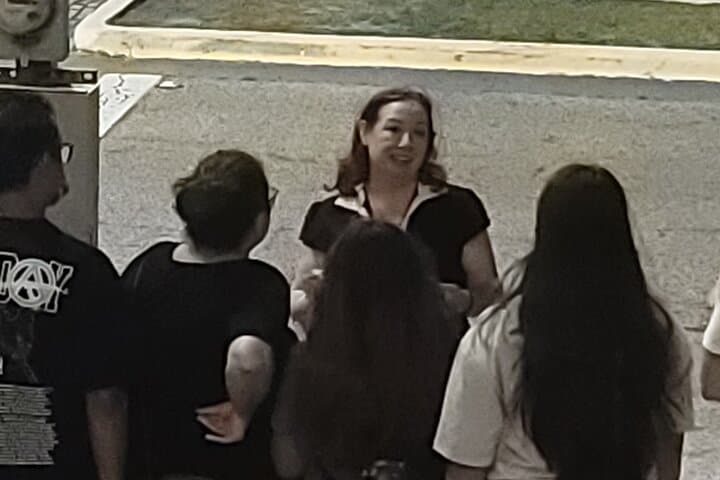
Night compresses over the Strand as the crowd gathers on the Railroad Museum steps at 25th and Strand — gas lamps gone, but the block still breathes with old money, salt, and stories. Guides lead with measured cadence, voices low, pointing to ornate 19th‑century façades whose porches and ironwork seem to keep their own counsel. The Gulf breeze threads through alleys and dares you to look up where windows have watched generations pass.
Night compresses over the Strand as the crowd gathers on the Railroad Museum steps at 25th and Strand — gas lamps gone, but the block still breathes with old money, salt, and stories. Guides lead with measured cadence, voices low, pointing to ornate 19th‑century façades whose porches and ironwork seem to keep their own counsel. The Gulf breeze threads through alleys and dares you to look up where windows have watched generations pass.
Galveston’s Strand Historic District rose from boom‑town commerce in the late 1800s, rebuilt and transformed after the catastrophic 1900 storm that reshaped the island’s shoreline and psyche. The stones and bricks here tell a layered story of trade, shipyards, hurricanes and the city’s Victorian prosperity; those same events seed the tour’s ghost stories — tragic sinkings, hotel rooms with restless guests, and the social aftershocks of loss and rebuilding.
Culturally, this walk moves through a living museum: restored storefronts, old hotels like the Tremont, and maritime markers that anchor local memory. Guides mix archival fact with oral lore, giving visitors both context and the theatrical chills that make the Strand at night feel inhabited in two eras.
Practical guidance: the tour is a 90‑minute, low‑impact walking route on paved streets with periodic stops. Wear comfortable shoes, bring a light jacket — Gulf nights can sharpen quickly — and a small flashlight for uneven curbs. Public transit and street parking are nearby; tours run rain or shine but may cancel for severe weather. Expect clear storytelling, close urban spaces, and an evening that frames Galveston’s history through the particular lens of its unanswered questions.