THE ADVENTURE COLLECTIVE® · Independent discovery and booking for outdoor travel

Walk past brick warehouses, old theaters, and riverfront alleys on a 90–120 minute ghost walk through Milwaukee’s Historic Third Ward. Expect local lore, architectural history, and accessible routes with stories that stick long after the tour ends.
Walk past brick warehouses, old theaters, and riverfront alleys on a 90–120 minute ghost walk through Milwaukee’s Historic Third Ward. Expect local lore, architectural history, and accessible routes with stories that stick long after the tour ends.
A wind off the Milwaukee River carries the city's past down Water Street as you gather at St. Paul and Water — the starting point for a ninety- to 120-minute stroll through the Third Ward's brick lanes and cast-iron storefronts. Streetlights carve shadows across cobblestones; the river seems to hush, as if willing you to listen to the stories held by these buildings.
Verified experiences and guided adventures in the surrounding area.
Operated by American Ghost Walks - Wisconsin · Milwaukee, Wisconsin
A wind off the Milwaukee River carries the city's past down Water Street as you gather at St. Paul and Water — the starting point for a ninety- to 120-minute stroll through the Third Ward's brick lanes and cast-iron storefronts. Streetlights carve shadows across cobblestones; the river seems to hush, as if willing you to listen to the stories held by these buildings.
Once nicknamed the "Bloody Third," this neighborhood evolved from industrial warehouses and rough boarding houses into an arts district with a violent 19th- and early-20th-century underside. Learn about the Third Ward Cowboys, bootleg-era mob activity, and the Lady Elgin disaster marker that still anchors local memory. The tour threads history with folklore: a spectral boy in an old boot factory, a theater founder said to linger in trap rooms, and elevator encounters that locals still whisper about.
Geology here is modest but telling — reclaimed riverfront and filled-in channels shaped the district's streetplan, while brick and limestone façades reveal the industrial economy that built Milwaukee. Cultural notes: the area now blends galleries, artisans, and historic preservation efforts; the route passes MIAD and the Skylight Music Theatre, where architecture and rumor mingle.
Practical guidance: arrive 10 minutes early for a prompt start, wear sturdy shoes for uneven surfaces, and bring a charged phone for photos and light. Tours run rain or shine but may cancel in extreme weather; keep respect for private property and businesses a priority. This is an accessible, low‑impact urban walk that rewards curiosity and quiet observation.
easy.
1.5–2 hours.
Minimal fitness required; participants should be comfortable standing and walking on city streets for up to two hours.
Yes — the operator indicates wheelchair- and stroller-accessible routes, but contact the provider ahead if you need specific assistance.
Infants and small children are permitted; consider whether younger kids will handle evening stops and ghost stories.
No — the tour stops outside notable façades and tells stories about interior events, but admission to venues is not included.
Tours typically run in light rain; severe weather may trigger cancellation with a full refund if you cancel at least 24 hours before the scheduled time.
The Third Ward grew as a 19th-century warehouse and immigrant neighborhood; fires and redevelopment in the 1890s reshaped its streets and reputation before its later arts-district revival.
Historic preservation is a priority here — visitors are encouraged to support local businesses and avoid touching or defacing historic façades to help maintain the district's character.
American Ghost Walks - Wisconsin operates guided outdoor trips and adventures with an emphasis on safety, stewardship, and memorable experiences.
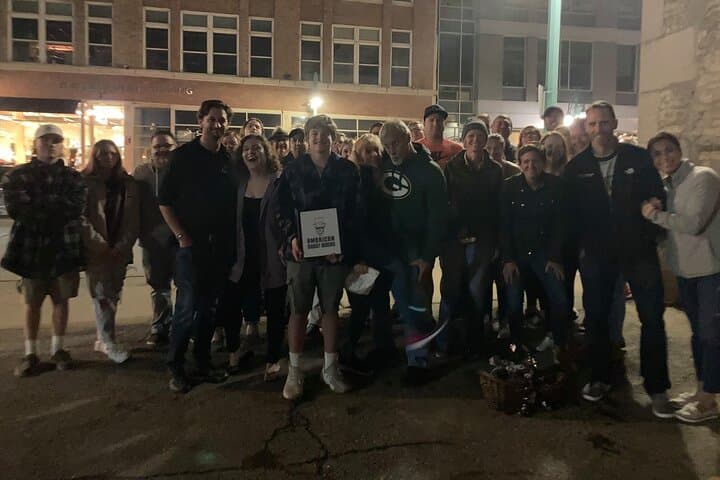
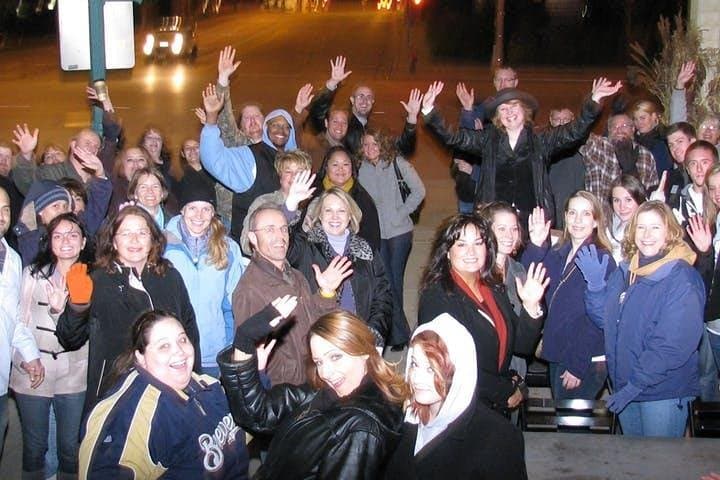
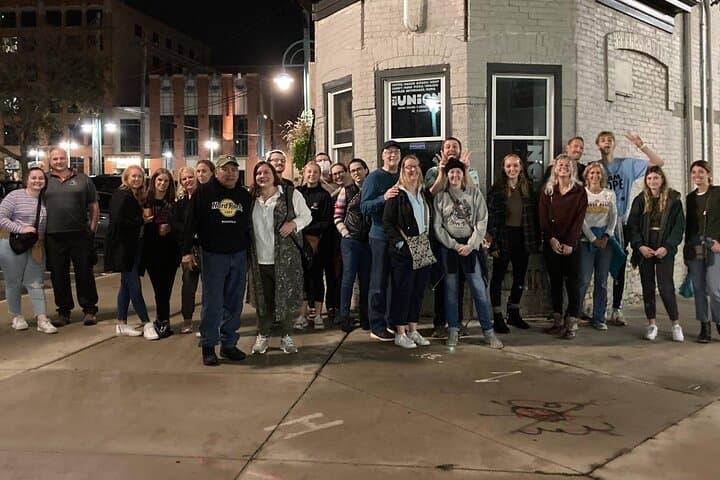
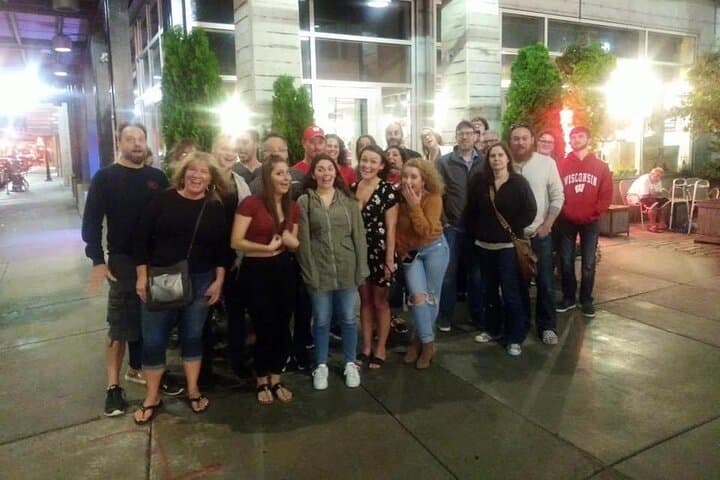
A wind off the Milwaukee River carries the city's past down Water Street as you gather at St. Paul and Water — the starting point for a ninety- to 120-minute stroll through the Third Ward's brick lanes and cast-iron storefronts. Streetlights carve shadows across cobblestones; the river seems to hush, as if willing you to listen to the stories held by these buildings.
A wind off the Milwaukee River carries the city's past down Water Street as you gather at St. Paul and Water — the starting point for a ninety- to 120-minute stroll through the Third Ward's brick lanes and cast-iron storefronts. Streetlights carve shadows across cobblestones; the river seems to hush, as if willing you to listen to the stories held by these buildings.
Once nicknamed the "Bloody Third," this neighborhood evolved from industrial warehouses and rough boarding houses into an arts district with a violent 19th- and early-20th-century underside. Learn about the Third Ward Cowboys, bootleg-era mob activity, and the Lady Elgin disaster marker that still anchors local memory. The tour threads history with folklore: a spectral boy in an old boot factory, a theater founder said to linger in trap rooms, and elevator encounters that locals still whisper about.
Geology here is modest but telling — reclaimed riverfront and filled-in channels shaped the district's streetplan, while brick and limestone façades reveal the industrial economy that built Milwaukee. Cultural notes: the area now blends galleries, artisans, and historic preservation efforts; the route passes MIAD and the Skylight Music Theatre, where architecture and rumor mingle.
Practical guidance: arrive 10 minutes early for a prompt start, wear sturdy shoes for uneven surfaces, and bring a charged phone for photos and light. Tours run rain or shine but may cancel in extreme weather; keep respect for private property and businesses a priority. This is an accessible, low‑impact urban walk that rewards curiosity and quiet observation.