THE ADVENTURE COLLECTIVE® · Independent discovery and booking for outdoor travel

Taste Dominican history course by course at an intimate Chef’s Table in Punta Cana. This 90-minute, 8-course tasting highlights Taino staples, colonial-era techniques, African and Antillean influences, and local rum.
Taste Dominican history course by course at an intimate Chef’s Table in Punta Cana. This 90-minute, 8-course tasting highlights Taino staples, colonial-era techniques, African and Antillean influences, and local rum.
You sit at a single long table while warm Caribbean light filters through the windows and the smell of roasting spices moves across the room. Plates arrive in careful sequence—yuca crisps, a bright lambí ceviche, chenchén with chicharrón—each course a stop on a map that begins with the Taino people and pushes forward through colonial era techniques and African and Antillean influences.
Verified experiences and guided adventures in the surrounding area.
Operated by Oliver Lab - Rum Experience, by Taino Gourmet · Punta Cana, La Altagracia
You sit at a single long table while warm Caribbean light filters through the windows and the smell of roasting spices moves across the room. Plates arrive in careful sequence—yuca crisps, a bright lambí ceviche, chenchén with chicharrón—each course a stop on a map that begins with the Taino people and pushes forward through colonial era techniques and African and Antillean influences.
The Dominican Republic’s culinary story is tied to its landscape: a limestone and coral island with coastal fisheries, fertile river valleys and sugarcane plantations brought into focus by Spanish colonization. At the Chef’s Table you’ll taste that history—cassava and corn from indigenous staples, stew meats and root vegetables from rural cookery, and rum distilled from local sugarcane that closes the meal.
Culturally, dining here is communal and conversational; expect servers who will explain dishes and the chef to describe ingredient origins. Practicalities matter: the experience runs about 90 minutes, seating is shared, and menus can include shells, pork, and dairy—notify hosts of allergies or dietary preferences when booking.
Timing-wise, midday lunches fit hotter hours; dinner brings a more composed, theatrical pacing. Wear smart-casual clothing and comfortable shoes for short walks to and from transport. Bring a camera for plated details and small bills for gratuity. If you want a taste of local life before or after, plan a short visit to a nearby market or rum shop—these places deepen the context of what you’re eating.
This is a compact, sensory-driven way to learn Dominican food history while tasting it course by course.
easy.
1.5 hours.
Light: mostly seated with short walks to and from transport; no strenuous fitness required
Yes—venue and transportation are listed as wheelchair accessible; indicate mobility needs when booking so staff can prepare.
The menu is centered on traditional dishes with meat and seafood; contact the provider in advance to request vegetarian or vegan substitutions, which may be accommodated if noted when booking.
The tasting pairs local rum and may include small alcoholic samples; non-alcoholic options are typically available—note preferences during booking.
The experience is a shared Chef’s Table with up to 15 travelers; expect communal seating and interactive explanations from staff.
Dominican cuisine reflects Taino staples, Spanish colonial techniques and centuries of African and Antillean influence, visible in ingredients like cassava, corn, root vegetables and rum.
Look for menus that source seafood responsibly and minimize food waste; supporting local suppliers helps protect coastal fisheries and agricultural lands.
Oliver Lab - Rum Experience, by Taino Gourmet operates guided outdoor trips and adventures with an emphasis on safety, stewardship, and memorable experiences.
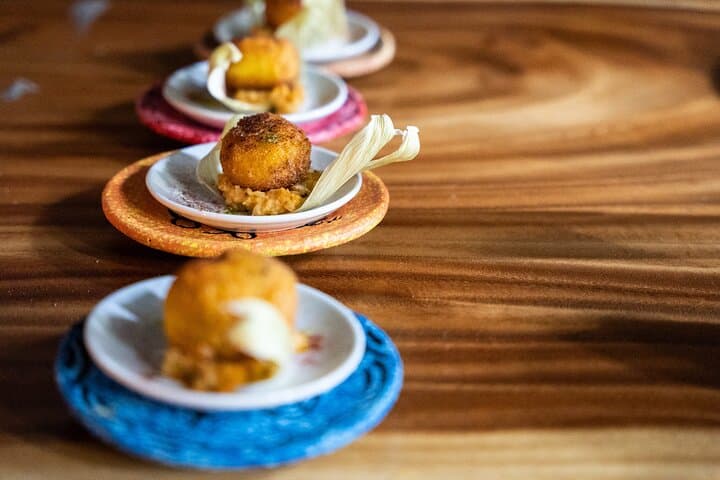
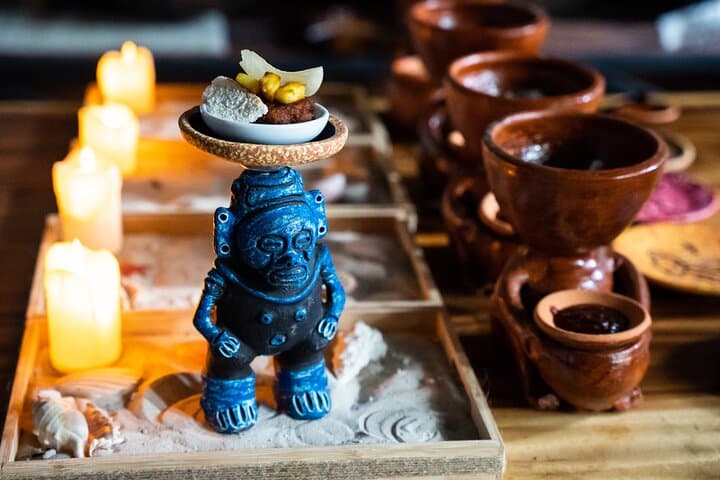
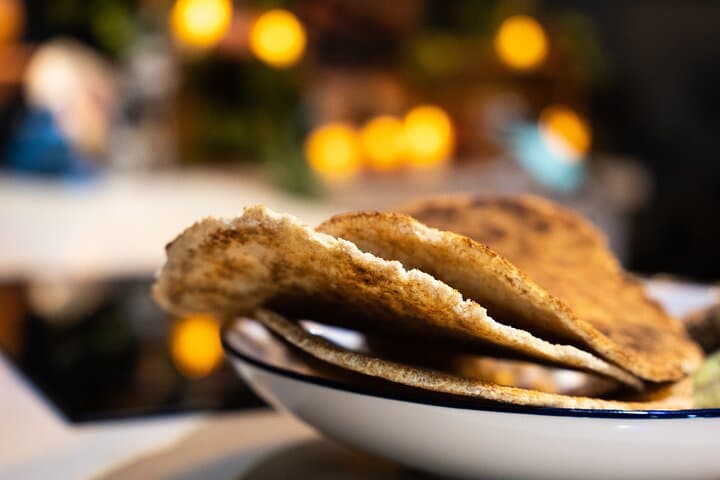
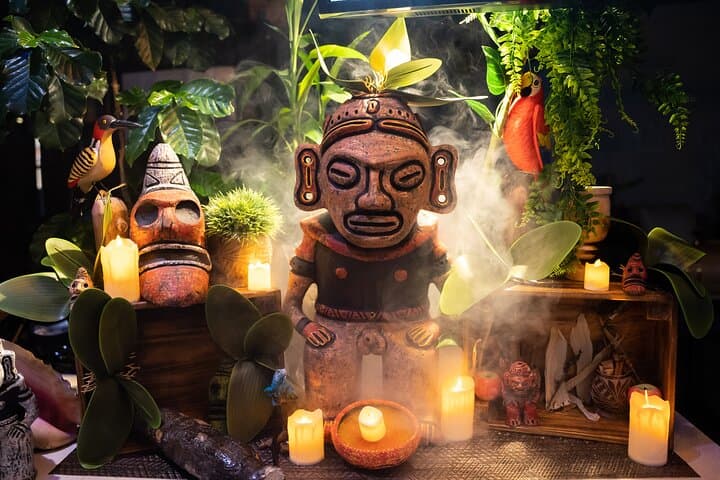
You sit at a single long table while warm Caribbean light filters through the windows and the smell of roasting spices moves across the room. Plates arrive in careful sequence—yuca crisps, a bright lambí ceviche, chenchén with chicharrón—each course a stop on a map that begins with the Taino people and pushes forward through colonial era techniques and African and Antillean influences.
You sit at a single long table while warm Caribbean light filters through the windows and the smell of roasting spices moves across the room. Plates arrive in careful sequence—yuca crisps, a bright lambí ceviche, chenchén with chicharrón—each course a stop on a map that begins with the Taino people and pushes forward through colonial era techniques and African and Antillean influences.
The Dominican Republic’s culinary story is tied to its landscape: a limestone and coral island with coastal fisheries, fertile river valleys and sugarcane plantations brought into focus by Spanish colonization. At the Chef’s Table you’ll taste that history—cassava and corn from indigenous staples, stew meats and root vegetables from rural cookery, and rum distilled from local sugarcane that closes the meal.
Culturally, dining here is communal and conversational; expect servers who will explain dishes and the chef to describe ingredient origins. Practicalities matter: the experience runs about 90 minutes, seating is shared, and menus can include shells, pork, and dairy—notify hosts of allergies or dietary preferences when booking.
Timing-wise, midday lunches fit hotter hours; dinner brings a more composed, theatrical pacing. Wear smart-casual clothing and comfortable shoes for short walks to and from transport. Bring a camera for plated details and small bills for gratuity. If you want a taste of local life before or after, plan a short visit to a nearby market or rum shop—these places deepen the context of what you’re eating.
This is a compact, sensory-driven way to learn Dominican food history while tasting it course by course.