THE ADVENTURE COLLECTIVE® · Independent discovery and booking for outdoor travel

Walk vineyards and ancient cellars at Fattoria Lavacchio, an organic, biodynamic estate 18 km from Florence. Learn vineyard practices, explore low-sulphite winemaking, and taste Chianti Rufina wines in a two-hour guided visit.
Walk vineyards and ancient cellars at Fattoria Lavacchio, an organic, biodynamic estate 18 km from Florence. Learn vineyard practices, explore low-sulphite winemaking, and taste Chianti Rufina wines in a two-hour guided visit.
The air on the Chianti slopes smells faintly of crushed grass and olive oil as you arrive at the stone farmhouse; vines slope away like deliberate rows of green, and the distant Apennines push the sky into sharper blue. You step from the lane and the land seems to watch you—vines leaning toward the light, soils that have held centuries of cultivation.
Verified experiences and guided adventures in the surrounding area.
Operated by Agriturismo Fattoria Lavacchio · Rufina, Tuscany
The air on the Chianti slopes smells faintly of crushed grass and olive oil as you arrive at the stone farmhouse; vines slope away like deliberate rows of green, and the distant Apennines push the sky into sharper blue. You step from the lane and the land seems to watch you—vines leaning toward the light, soils that have held centuries of cultivation.
Fattoria Lavacchio occupies a working estate with roots before the 1700s and historical ties to the Florentine Strozzi family. The hills here are Pliocene-clay and galestro schist—soil that stresses vines and concentrates flavors—so the Chianti Rufina DOCG wines are characterful and structured. Locals still press olive oil in autumn and speak of traditional winemaking alongside biodynamic schedules adopted in recent decades.
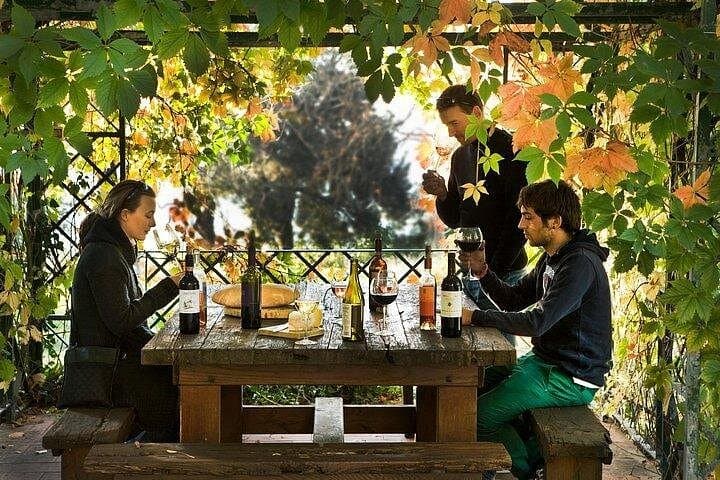
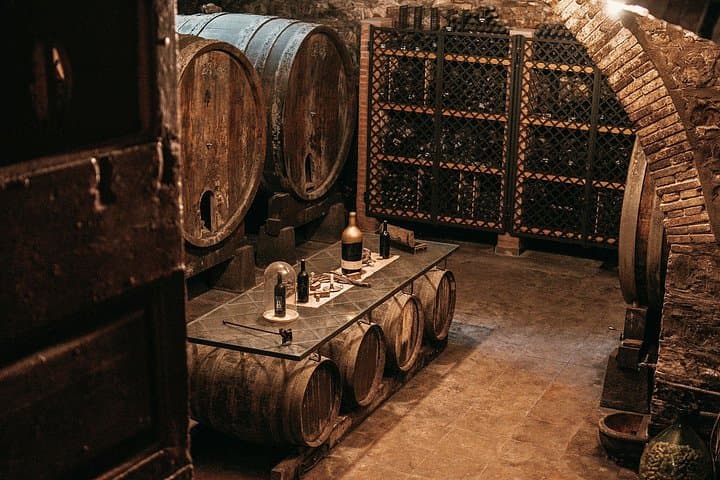
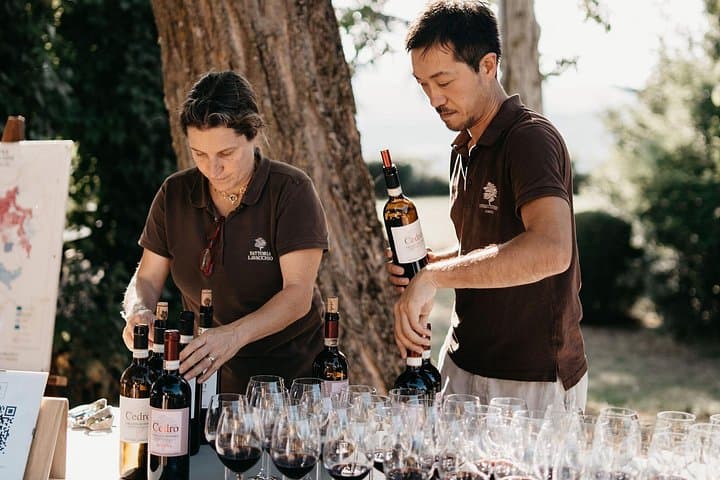
The visit moves from vineyard walk to ancient cellar: earthen floors, low arches, and racks holding low-sulphite and sulfite-free fermentations. Expect explanations of organic practices, hands-on views of canopy work, and a seated tasting that typically highlights Chianti Rufina and Riserva bottlings.
Practical guidance: tours run about two hours, often require booking and are 18 km east of central Florence. Wear comfortable shoes for uneven cellar floors, bring a light jacket for cool underground spaces, and pace tastings while hydrating. If you plan to drive, factor in narrow rural roads; public transit options exist but may require a taxi for the final stretch.
This experience balances sensory detail with accessible logistics—ideal for travelers curious about organic viticulture who want both context and a clear plan for visiting.
easy.
2 hours.
Suitable for most fitness levels; tour involves short walks and standing during tastings.
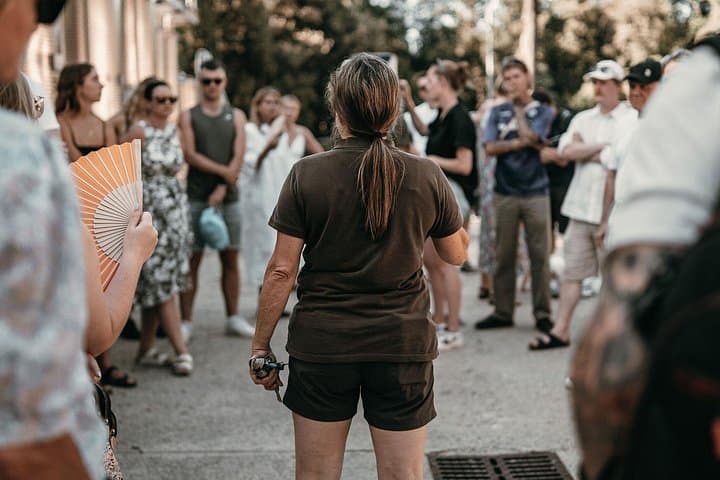
The standard tour runs about two hours and includes vineyard time, cellar exploration, and a seated tasting.
The estate allows infants and provides infant seats; however, tastings are intended for adults and some cellar areas have steps.
Yes—Fattoria Lavacchio practices organic and biodynamic agriculture and produces low-sulfite and sulfite-free wines, which the guide will explain.
Yes—seasonal add-ons like wine-pairing lunches, dinners, or truffle hunting (June–November) are often available by prior arrangement.
The estate dates back before the 1700s and has historical links to the Strozzi family of Florence; traditional olive oil pressing and local land use persist alongside modern organic methods.
The farm follows organic and biodynamic practices and emphasizes low-sulphite winemaking to reduce chemical inputs and protect soil health.
Agriturismo Fattoria Lavacchio operates guided outdoor trips and adventures with an emphasis on safety, stewardship, and memorable experiences.
The air on the Chianti slopes smells faintly of crushed grass and olive oil as you arrive at the stone farmhouse; vines slope away like deliberate rows of green, and the distant Apennines push the sky into sharper blue. You step from the lane and the land seems to watch you—vines leaning toward the light, soils that have held centuries of cultivation.
The air on the Chianti slopes smells faintly of crushed grass and olive oil as you arrive at the stone farmhouse; vines slope away like deliberate rows of green, and the distant Apennines push the sky into sharper blue. You step from the lane and the land seems to watch you—vines leaning toward the light, soils that have held centuries of cultivation.
Fattoria Lavacchio occupies a working estate with roots before the 1700s and historical ties to the Florentine Strozzi family. The hills here are Pliocene-clay and galestro schist—soil that stresses vines and concentrates flavors—so the Chianti Rufina DOCG wines are characterful and structured. Locals still press olive oil in autumn and speak of traditional winemaking alongside biodynamic schedules adopted in recent decades.
The visit moves from vineyard walk to ancient cellar: earthen floors, low arches, and racks holding low-sulphite and sulfite-free fermentations. Expect explanations of organic practices, hands-on views of canopy work, and a seated tasting that typically highlights Chianti Rufina and Riserva bottlings.
Practical guidance: tours run about two hours, often require booking and are 18 km east of central Florence. Wear comfortable shoes for uneven cellar floors, bring a light jacket for cool underground spaces, and pace tastings while hydrating. If you plan to drive, factor in narrow rural roads; public transit options exist but may require a taxi for the final stretch.
This experience balances sensory detail with accessible logistics—ideal for travelers curious about organic viticulture who want both context and a clear plan for visiting.