THE ADVENTURE COLLECTIVE® · Independent discovery and booking for outdoor travel

Roll up your sleeves in a village kitchen beneath Sigiriya’s rock and learn traditional Sri Lankan cooking from garden to plate. This three-hour, hands-on class covers spices, firewood cooking, and a communal rice-and-curry feast.
Roll up your sleeves in a village kitchen beneath Sigiriya’s rock and learn traditional Sri Lankan cooking from garden to plate. This three-hour, hands-on class covers spices, firewood cooking, and a communal rice-and-curry feast.
The morning opens in a sun-washed courtyard where coconut palms lean like tired sentries and the garden scents—lemongrass, curry leaves, turmeric—reach out and dare you to taste. Participants are greeted with Belimal, a cooling herbal tea sweetened with jaggery, then led through a low-roofed kitchen where clay pots sit on a firewood stove and mortar-and-pestle rhythms set the pace.
Verified experiences and guided adventures in the surrounding area.
Operated by TASTY TASKS COOKING CLASS · Sigiriya, Central Province
The morning opens in a sun-washed courtyard where coconut palms lean like tired sentries and the garden scents—lemongrass, curry leaves, turmeric—reach out and dare you to taste. Participants are greeted with Belimal, a cooling herbal tea sweetened with jaggery, then led through a low-roofed kitchen where clay pots sit on a firewood stove and mortar-and-pestle rhythms set the pace.
Sigiriya sits beneath an ancient granite outcrop whose shadow has shaped local farming patterns for centuries; kitchens here grew from village traditions that prized spice, preservation, and community meals. The class traces those threads: cinnamon and cardamom with colonial echoes, moringa and kurakkan rooted in local subsistence, and techniques such as pol roti folding and dhal simmering taught by hosts who learned them from parents and grandparents.
Expect hands-on instruction: pounding sambol, tempering spices, shaping rotis and steaming desserts. The learning is tactile—salt, heat, coconut oil—and the payoff is communal: a full rice-and-curry feast you helped prepare.
Practical notes: plan 3 hours, arrive with modest clothing you don’t mind smelling like curry, and advise the host of allergies in advance. The kitchen uses a firewood stove and clay pots; those with mobility or respiratory issues should review medical suitability. Bring a hat and water if you’ll wait in the garden, and allow time afterward to explore nearby Pidurangala or the Sigiriya rock frescoes. This class suits curious eaters and culture-minded travelers who want an authentic, low-tech taste of Sri Lankan village life.
easy.
2–3 hours.
Light—requires standing, some kneeling and basic kitchen movement; no special fitness required
Yes—hosts can prepare vegetarian and vegan-friendly options if notified ahead of time.
Expect to prepare several items—typically a dal or lentil curry, vegetable or fruit curry, pol roti, sambol, and a dessert or curd with kithul honey.
No pick-up is included; public transportation and local taxis are available nearby—confirm meeting point at booking.
Children may participate but the environment includes firewood stoves and hot pots; supervise young kids closely and check age suitability with the provider.
Cooking here reflects centuries of Sri Lankan home-cooking where spices, preservation, and communal meals grew around village agriculture and the island’s spice-trade history.
Hosts often source from their own organic gardens to reduce transport emissions; visitors are encouraged to minimize food waste and avoid single-use plastics.
TASTY TASKS COOKING CLASS operates guided outdoor trips and adventures with an emphasis on safety, stewardship, and memorable experiences.
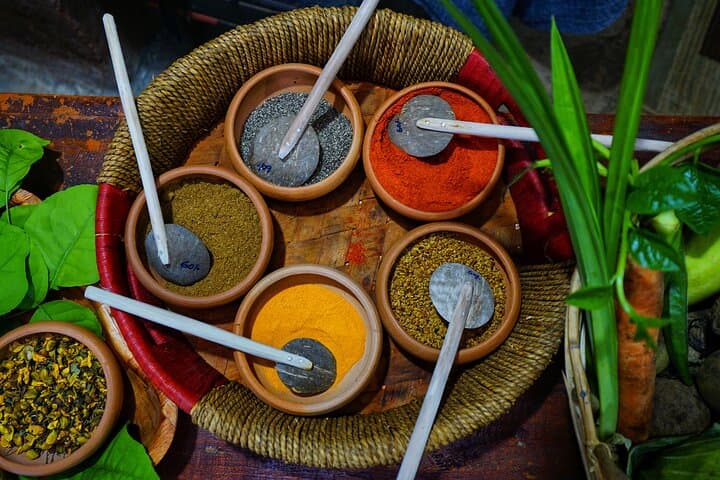
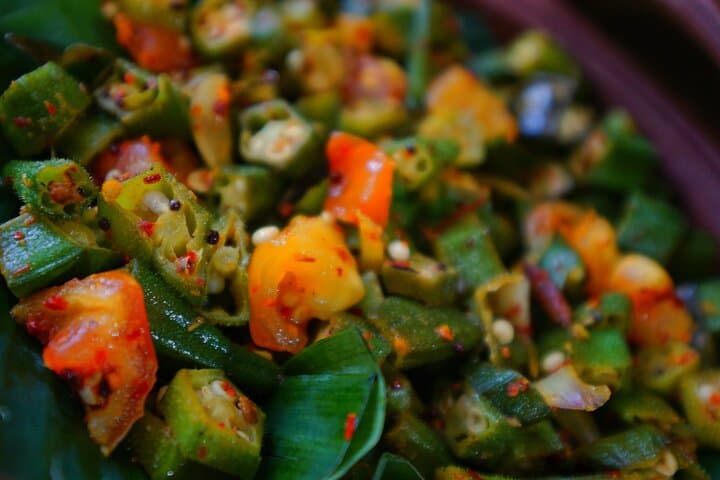


The morning opens in a sun-washed courtyard where coconut palms lean like tired sentries and the garden scents—lemongrass, curry leaves, turmeric—reach out and dare you to taste. Participants are greeted with Belimal, a cooling herbal tea sweetened with jaggery, then led through a low-roofed kitchen where clay pots sit on a firewood stove and mortar-and-pestle rhythms set the pace.
The morning opens in a sun-washed courtyard where coconut palms lean like tired sentries and the garden scents—lemongrass, curry leaves, turmeric—reach out and dare you to taste. Participants are greeted with Belimal, a cooling herbal tea sweetened with jaggery, then led through a low-roofed kitchen where clay pots sit on a firewood stove and mortar-and-pestle rhythms set the pace.
Sigiriya sits beneath an ancient granite outcrop whose shadow has shaped local farming patterns for centuries; kitchens here grew from village traditions that prized spice, preservation, and community meals. The class traces those threads: cinnamon and cardamom with colonial echoes, moringa and kurakkan rooted in local subsistence, and techniques such as pol roti folding and dhal simmering taught by hosts who learned them from parents and grandparents.
Expect hands-on instruction: pounding sambol, tempering spices, shaping rotis and steaming desserts. The learning is tactile—salt, heat, coconut oil—and the payoff is communal: a full rice-and-curry feast you helped prepare.
Practical notes: plan 3 hours, arrive with modest clothing you don’t mind smelling like curry, and advise the host of allergies in advance. The kitchen uses a firewood stove and clay pots; those with mobility or respiratory issues should review medical suitability. Bring a hat and water if you’ll wait in the garden, and allow time afterward to explore nearby Pidurangala or the Sigiriya rock frescoes. This class suits curious eaters and culture-minded travelers who want an authentic, low-tech taste of Sri Lankan village life.