THE ADVENTURE COLLECTIVE® · Independent discovery and booking for outdoor travel

High-speed, small-group whale-watching trips depart from Eastsound, Orcas Island, chasing orca, humpback, and minke sightings across the Salish Sea. These 3–4 hour voyages emphasize fast transit to feeding areas and respectful, research-minded viewing.
High-speed, small-group whale-watching trips depart from Eastsound, Orcas Island, chasing orca, humpback, and minke sightings across the Salish Sea. These 3–4 hour voyages emphasize fast transit to feeding areas and respectful, research-minded viewing.
The boat slips away from the dock at Eastsound and the Salish Sea opens up like a page turned by wind—cold spray on your face, the engine humming, and the coastline shrinking into fir-dark silhouettes. On this 3–4 hour high-speed tour, guides push into the San Juan archipelago and toward Canadian Gulf Islands, following the calls and the tides where whales most often travel.
Verified experiences and guided adventures in the surrounding area.
Operated by Outer Island Excursions · Eastsound, Washington
The boat slips away from the dock at Eastsound and the Salish Sea opens up like a page turned by wind—cold spray on your face, the engine humming, and the coastline shrinking into fir-dark silhouettes. On this 3–4 hour high-speed tour, guides push into the San Juan archipelago and toward Canadian Gulf Islands, following the calls and the tides where whales most often travel.
The region is layered: Coast Salish people have navigated these channels for millennia; the islands’ geology—glacially scoured bedrock and shallow channels—steers salmon runs that in turn steer the whales. The modern history of the San Juans includes the Pig War boundary dispute and a legacy of maritime research; today local operators work with NOAA and researchers on sightings and respectful viewing.
Expect quick transits between sightings, long, quiet watches at distance, and frequent encounters with seals, porpoises, and seabirds. Operators use smaller, faster vessels to reach feeding grounds where orca, humpback, minke, and gray whales appear; the operator reports sightings on nearly every trip. Weather and sea state dictate how far and fast you go—calmer seas mean longer observation windows.
Practical essentials: arrive 30 minutes early for check-in, plan your ferry if you’re coming from the mainland, and dress in layered, wind- and water-resistant clothing. Bring motion-sickness remedies, binoculars, and a charged camera. On the water, keep quiet during sightings, follow crew instructions, and treat the animals and islands as places to be seen, not touched.
easy.
3–4 hours.
Minimal fitness required—comfortable sitting, safe boarding on a small vessel, and short periods of standing for viewing.
The operator advertises a high sighting rate (near 98%) and may offer a return if whales are not seen, but check specific guarantee terms and eligibility before booking.
Most visitors take the Washington State Ferry to Orcas Island; if coming from the mainland, plan northbound ferry schedules and consider extra time for vehicle or walk-on boarding.
Children are welcome but must be accompanied by an adult; only service animals are allowed on board, and strollers are accommodated at the dock.
Trips may be canceled for safety in bad weather or insufficient travelers; operators follow NOAA and local guidelines and will notify you per their cancellation policy.
The San Juan Islands are Coast Salish lands with a layered history of Indigenous use and 19th-century U.S.–British boundary disputes that shaped modern navigation and stewardship.
Operators follow NOAA viewing guidelines and often share sightings with researchers; maintaining distance and minimizing noise reduces disturbance to feeding whales.
Outer Island Excursions operates guided outdoor trips and adventures with an emphasis on safety, stewardship, and memorable experiences.
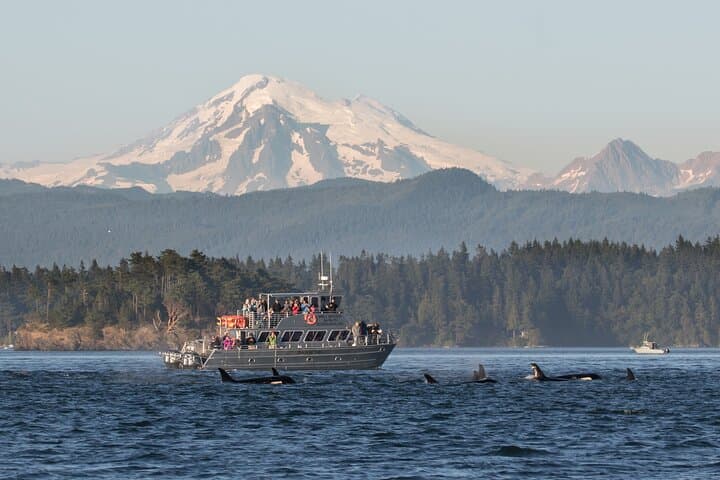
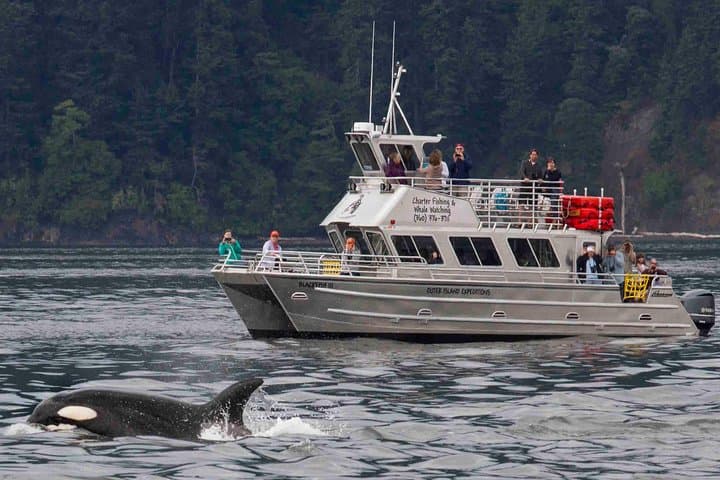
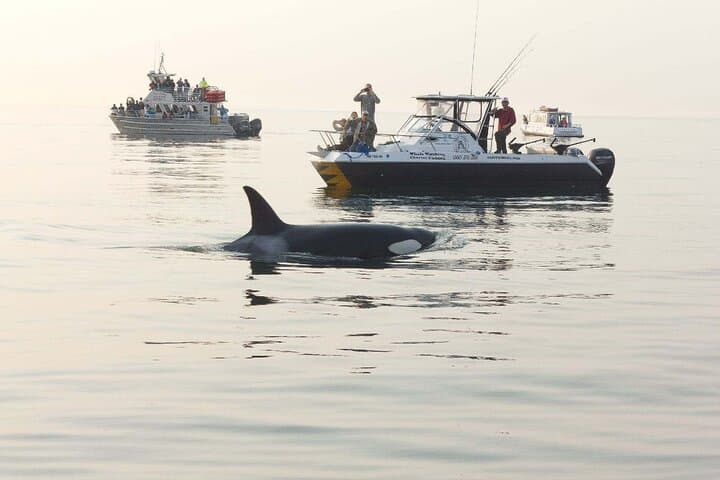
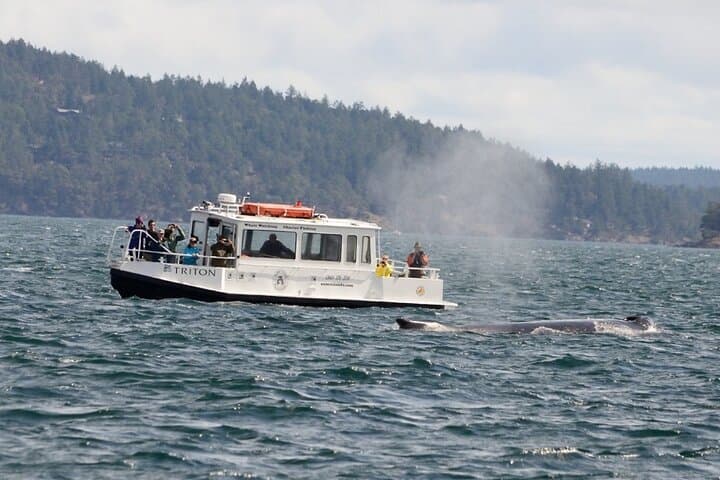
The boat slips away from the dock at Eastsound and the Salish Sea opens up like a page turned by wind—cold spray on your face, the engine humming, and the coastline shrinking into fir-dark silhouettes. On this 3–4 hour high-speed tour, guides push into the San Juan archipelago and toward Canadian Gulf Islands, following the calls and the tides where whales most often travel.
The boat slips away from the dock at Eastsound and the Salish Sea opens up like a page turned by wind—cold spray on your face, the engine humming, and the coastline shrinking into fir-dark silhouettes. On this 3–4 hour high-speed tour, guides push into the San Juan archipelago and toward Canadian Gulf Islands, following the calls and the tides where whales most often travel.
The region is layered: Coast Salish people have navigated these channels for millennia; the islands’ geology—glacially scoured bedrock and shallow channels—steers salmon runs that in turn steer the whales. The modern history of the San Juans includes the Pig War boundary dispute and a legacy of maritime research; today local operators work with NOAA and researchers on sightings and respectful viewing.
Expect quick transits between sightings, long, quiet watches at distance, and frequent encounters with seals, porpoises, and seabirds. Operators use smaller, faster vessels to reach feeding grounds where orca, humpback, minke, and gray whales appear; the operator reports sightings on nearly every trip. Weather and sea state dictate how far and fast you go—calmer seas mean longer observation windows.
Practical essentials: arrive 30 minutes early for check-in, plan your ferry if you’re coming from the mainland, and dress in layered, wind- and water-resistant clothing. Bring motion-sickness remedies, binoculars, and a charged camera. On the water, keep quiet during sightings, follow crew instructions, and treat the animals and islands as places to be seen, not touched.