THE ADVENTURE COLLECTIVE® · Independent discovery and booking for outdoor travel

Trade the city for the Salish Sea on a high-speed, 3–5 hour orca-focused expedition from Anacortes. Expect sustained searching, fast transit, and close—but regulated—views of Bigg’s killer whales where operators prioritize responsible observation.
Trade the city for the Salish Sea on a high-speed, 3–5 hour orca-focused expedition from Anacortes. Expect sustained searching, fast transit, and close—but regulated—views of Bigg’s killer whales where operators prioritize responsible observation.
A cold spray hits the face as the vessel pins open across the Salish Sea; waves slap the hull and the islands peel away like pages. On a 3–5 hour orca-only expedition out of Anacortes, passengers trade city skyline for open water, listening for the call of the Skagit and San Juan channels and scanning the horizon for black dorsal fins cutting the swell.
Verified experiences and guided adventures in the surrounding area.
Operated by Outer Island Excursions · Anacortes, Washington
A cold spray hits the face as the vessel pins open across the Salish Sea; waves slap the hull and the islands peel away like pages. On a 3–5 hour orca-only expedition out of Anacortes, passengers trade city skyline for open water, listening for the call of the Skagit and San Juan channels and scanning the horizon for black dorsal fins cutting the swell.
The San Juan Islands sit on fractured bedrock carved by glaciers and sea-level change; shorelines alternate between cobbled beaches and steep, rocky bluffs. Indigenous Coast Salish families have navigated these channels for millennia, and modern mariners read tidal rips and current lines the way earlier generations read stars. Today’s tours follow both ecology and etiquette—watching a Bigg’s (transient) orca family requires distance, patience, and respect for animal behavior.
Practical guidance is simple and essential. Dress in windproof layers and wear non-slip shoes; boat decks are exposed and temperatures on the water can be 10–20°F cooler than onshore. Bring binoculars, a waterproof camera bag, and motion-sickness prevention if you’re prone to seasickness. Expect periods of fast transit interrupted by stretches of slow, quiet observation; operators often adjust course for pods that travel widely—these whales can cover 100+ miles a day.
Tours are suitable for most fitness levels—you’ll stand, move around the deck, and climb short companionways. Operators prioritize responsible viewing and often brief guests on distances and noise. For photographers and naturalists alike, the trip offers a close, governed window into one of the Pacific Northwest’s most powerful marine encounters.
easy.
3–5 hours.
Minimal fitness required—standing and short stair climbs on deck; must be able to manage boarding and unsteady footing.
The operator reports a very high success rate—over 95%—for finding orcas in the Salish Sea on these dedicated search trips.
This excursion operates out of Anacortes, Washington, with high-speed vessels that transit into the San Juan Islands and surrounding channels.
Yes; all children and infants must be accompanied by an adult according to the operator’s policy.
All sales are final; trips may be canceled by the operator in bad weather but generally are non-refundable if you cancel.
The Salish Sea has been a travel corridor for Coast Salish peoples for thousands of years; modern whale-watching grew alongside 20th-century maritime and fishing industries.
Responsible viewing is emphasized—maintain respectful distances, follow NOAA and local guidelines, and minimize engine noise to reduce disturbance to whales.
Outer Island Excursions operates guided outdoor trips and adventures with an emphasis on safety, stewardship, and memorable experiences.
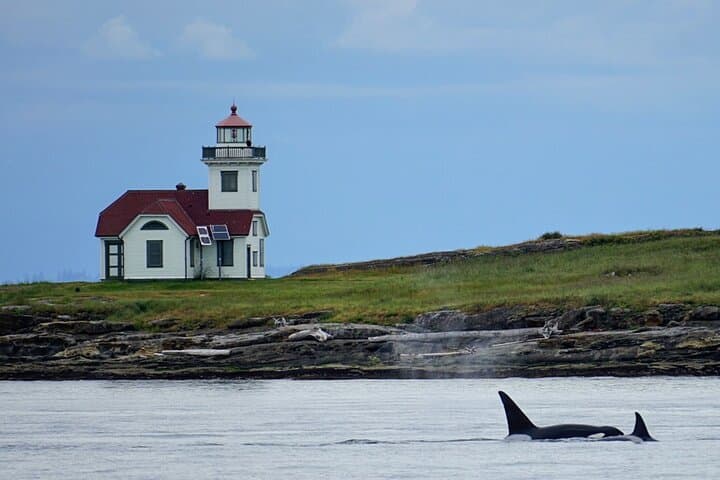
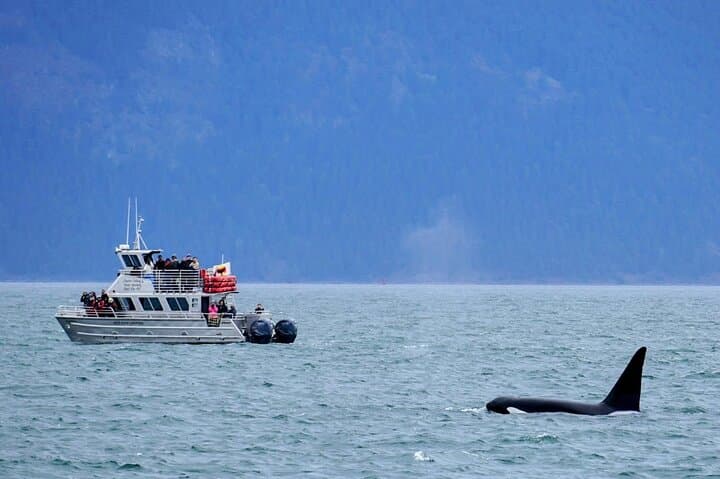

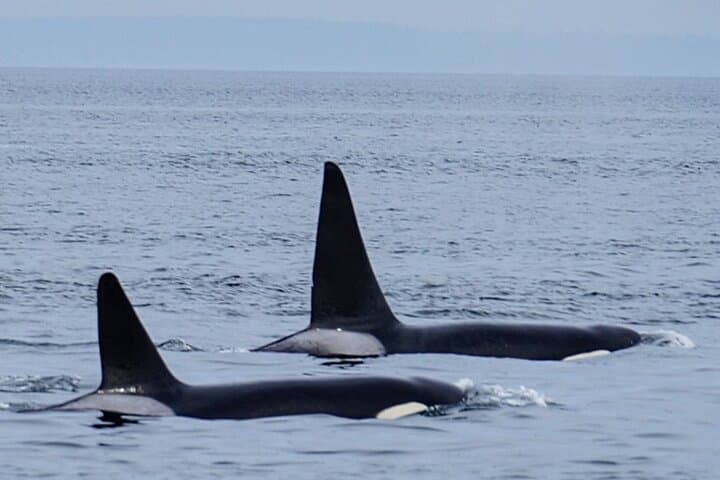
A cold spray hits the face as the vessel pins open across the Salish Sea; waves slap the hull and the islands peel away like pages. On a 3–5 hour orca-only expedition out of Anacortes, passengers trade city skyline for open water, listening for the call of the Skagit and San Juan channels and scanning the horizon for black dorsal fins cutting the swell.
A cold spray hits the face as the vessel pins open across the Salish Sea; waves slap the hull and the islands peel away like pages. On a 3–5 hour orca-only expedition out of Anacortes, passengers trade city skyline for open water, listening for the call of the Skagit and San Juan channels and scanning the horizon for black dorsal fins cutting the swell.
The San Juan Islands sit on fractured bedrock carved by glaciers and sea-level change; shorelines alternate between cobbled beaches and steep, rocky bluffs. Indigenous Coast Salish families have navigated these channels for millennia, and modern mariners read tidal rips and current lines the way earlier generations read stars. Today’s tours follow both ecology and etiquette—watching a Bigg’s (transient) orca family requires distance, patience, and respect for animal behavior.
Practical guidance is simple and essential. Dress in windproof layers and wear non-slip shoes; boat decks are exposed and temperatures on the water can be 10–20°F cooler than onshore. Bring binoculars, a waterproof camera bag, and motion-sickness prevention if you’re prone to seasickness. Expect periods of fast transit interrupted by stretches of slow, quiet observation; operators often adjust course for pods that travel widely—these whales can cover 100+ miles a day.
Tours are suitable for most fitness levels—you’ll stand, move around the deck, and climb short companionways. Operators prioritize responsible viewing and often brief guests on distances and noise. For photographers and naturalists alike, the trip offers a close, governed window into one of the Pacific Northwest’s most powerful marine encounters.