THE ADVENTURE COLLECTIVE® · Independent discovery and booking for outdoor travel

Walk Oranjestad’s downtown with a Local Expert and discover colonial forts, family mansions, and local bites across a relaxed 2.5‑hour route. This guided morning tour blends history, language, and street‑level culture with practical stops and plenty of photo ops.
Walk Oranjestad’s downtown with a Local Expert and discover colonial forts, family mansions, and local bites across a relaxed 2.5‑hour route. This guided morning tour blends history, language, and street‑level culture with practical stops and plenty of photo ops.
The morning sun warms the painted façades of Oranjestad as the group assembles behind the Renaissance Hotel Marina Tower. Salted breeze from St. Anna Bay nudges the palms while a Local Expert leads you down Zoutmanstraat, pointing out limestone blocks, iron balconies and the small, sun‑baked iguanas that claim the square. Photo stops come naturally — at a clock tower, a family mansion and in front of coral-stone churches — each a short story in brick and paint.
Verified experiences and guided adventures in the surrounding area.
Operated by Aruba Walking Tours · Oranjestad, Aruba
The morning sun warms the painted façades of Oranjestad as the group assembles behind the Renaissance Hotel Marina Tower. Salted breeze from St. Anna Bay nudges the palms while a Local Expert leads you down Zoutmanstraat, pointing out limestone blocks, iron balconies and the small, sun‑baked iguanas that claim the square. Photo stops come naturally — at a clock tower, a family mansion and in front of coral-stone churches — each a short story in brick and paint.
This compact walk threads island history and urban geology: Fort Zoutman and its clock tower recall late-18th-century Dutch colonial defense, while downtown’s architecture reflects Aruba’s maritime past and multilingual culture — Papiamento, Dutch, Spanish and English appear in shop signs. The island’s flat, arid terrain and coral limestone underlay influence both city layout and local building materials, and you’ll sample pan bati and other bites that reveal culinary echoes of indigenous and Caribbean trade.
Practical: the tour is a steady, low‑impact 2.5 hours with roughly 20 stops over mostly paved streets; comfortable walking shoes and sun protection are essential. Guides handle language barriers and point out quieter residential lanes where locals live, so bring a refillable bottle even though bottled water is provided. Cruise passengers should confirm disembarkation and reboarding windows before booking.
Expect an engaging, conversational pace that balances history, food, and city life. If heat is high, the guide shortens walking segments and leans into shaded plazas — but plan to start hydrated and wear breathable layers for a morning that moves as much by curiosity as by feet.
easy.
2–3 hours.
Suitable for most fitness levels; participants should be able to walk 2–3 miles at a steady, conversational pace.
Meet at Zoutmanstraat 1 behind the Renaissance Hotel Marina Tower; aim to arrive 15 minutes early so the group can depart promptly at the listed time.
Yes; the tour departs within walking distance of the cruise port, but cruise passengers must provide ship name and docking/disembarkation times when booking.
Guides include entrances to museums when they're open and two local bites; some museum admissions may depend on operating hours.
The tour notes stroller accessibility for infants and small children on most paved sections, but some historic sites may have steps or uneven surfaces.
Oranjestad’s core grew around Fort Zoutman and a 19th-century clock tower; Dutch colonial architecture mixes with Caribbean influences reflecting the island’s maritime trade.
Respect local neighborhoods by not littering, avoid feeding wildlife like iguanas, and support small vendors to keep tourism benefits local.
Aruba Walking Tours operates guided outdoor trips and adventures with an emphasis on safety, stewardship, and memorable experiences.
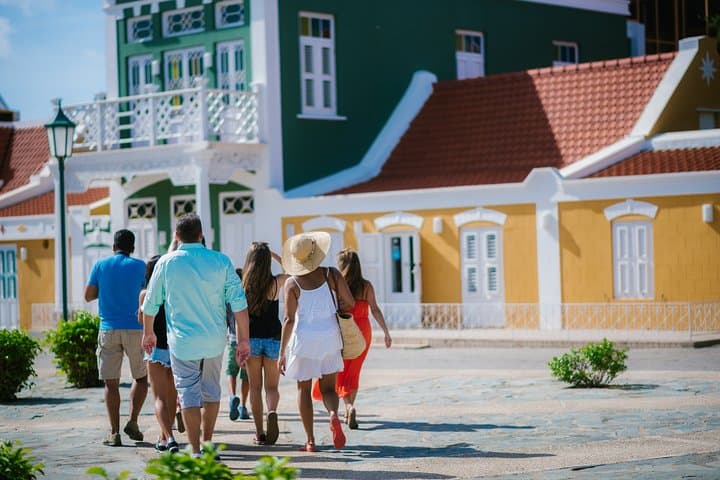
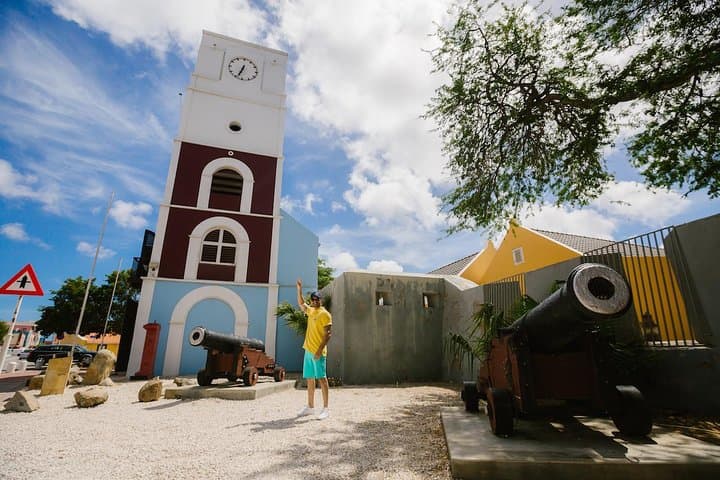
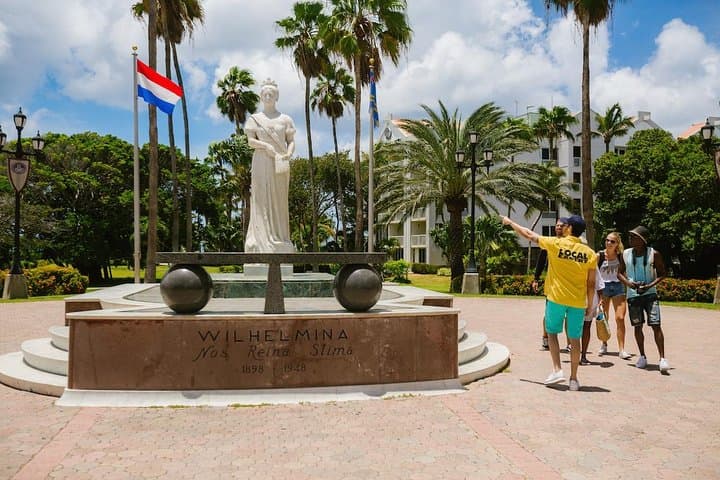
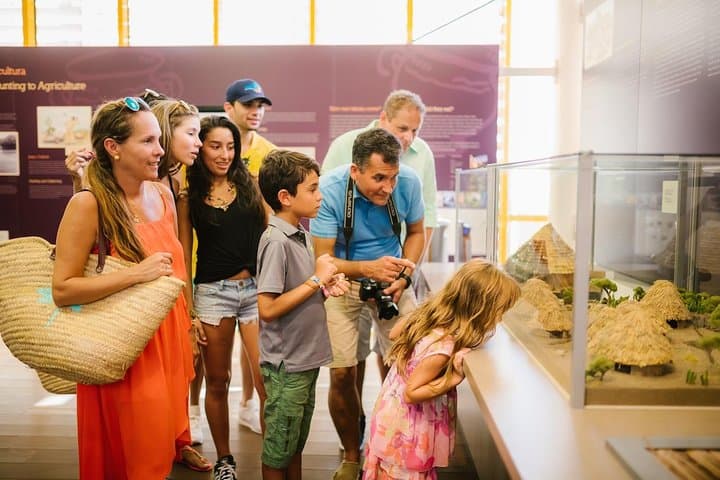
The morning sun warms the painted façades of Oranjestad as the group assembles behind the Renaissance Hotel Marina Tower. Salted breeze from St. Anna Bay nudges the palms while a Local Expert leads you down Zoutmanstraat, pointing out limestone blocks, iron balconies and the small, sun‑baked iguanas that claim the square. Photo stops come naturally — at a clock tower, a family mansion and in front of coral-stone churches — each a short story in brick and paint.
The morning sun warms the painted façades of Oranjestad as the group assembles behind the Renaissance Hotel Marina Tower. Salted breeze from St. Anna Bay nudges the palms while a Local Expert leads you down Zoutmanstraat, pointing out limestone blocks, iron balconies and the small, sun‑baked iguanas that claim the square. Photo stops come naturally — at a clock tower, a family mansion and in front of coral-stone churches — each a short story in brick and paint.
This compact walk threads island history and urban geology: Fort Zoutman and its clock tower recall late-18th-century Dutch colonial defense, while downtown’s architecture reflects Aruba’s maritime past and multilingual culture — Papiamento, Dutch, Spanish and English appear in shop signs. The island’s flat, arid terrain and coral limestone underlay influence both city layout and local building materials, and you’ll sample pan bati and other bites that reveal culinary echoes of indigenous and Caribbean trade.
Practical: the tour is a steady, low‑impact 2.5 hours with roughly 20 stops over mostly paved streets; comfortable walking shoes and sun protection are essential. Guides handle language barriers and point out quieter residential lanes where locals live, so bring a refillable bottle even though bottled water is provided. Cruise passengers should confirm disembarkation and reboarding windows before booking.
Expect an engaging, conversational pace that balances history, food, and city life. If heat is high, the guide shortens walking segments and leans into shaded plazas — but plan to start hydrated and wear breathable layers for a morning that moves as much by curiosity as by feet.