THE ADVENTURE COLLECTIVE® · Independent discovery and booking for outdoor travel

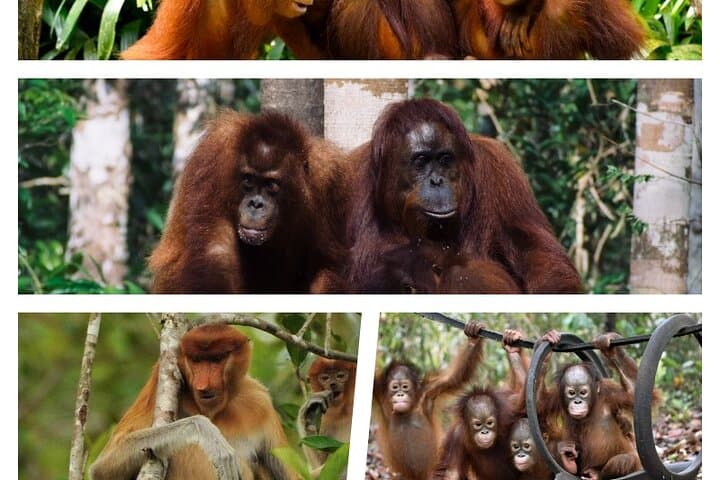
Three days aboard a traditional klotok on the Sekonyer River take you to feeding platforms at Camp Leakey, Tanjung Harapan and Pondok Tanggui to watch wild orangutans and other riverine wildlife. Practical, low-impact travel and basic on-board comforts make this a focused wildlife encounter for nature-minded travelers.
Three days aboard a traditional klotok on the Sekonyer River take you to feeding platforms at Camp Leakey, Tanjung Harapan and Pondok Tanggui to watch wild orangutans and other riverine wildlife. Practical, low-impact travel and basic on-board comforts make this a focused wildlife encounter for nature-minded travelers.
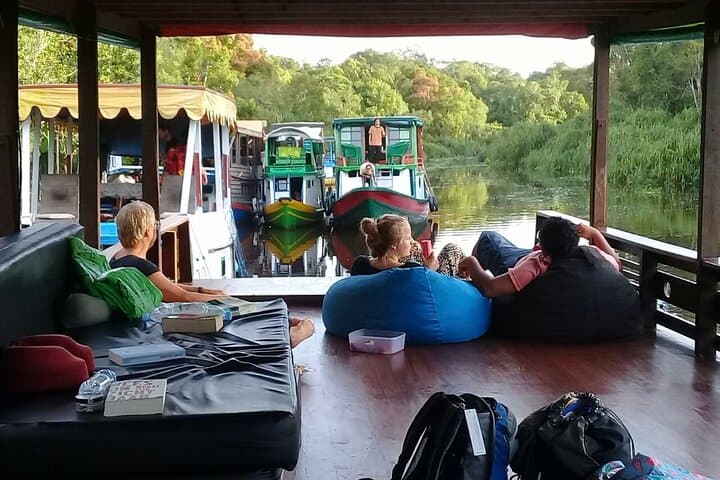
You wake before dawn to the boat’s slow churn and the river’s breath—mist lifts off the Sekonyer and a lone hornbill slices across a gray sky. The klotok, a narrow wooden houseboat used throughout Borneo, becomes basecamp: hammocks sway, coffee steams, and every bend in the river promises a new wildlife encounter.
Verified experiences and guided adventures in the surrounding area.
Operated by Varada Borneo Tour · Pangkalan Bun, Central Kalimantan
You wake before dawn to the boat’s slow churn and the river’s breath—mist lifts off the Sekonyer and a lone hornbill slices across a gray sky. The klotok, a narrow wooden houseboat used throughout Borneo, becomes basecamp: hammocks sway, coffee steams, and every bend in the river promises a new wildlife encounter.
Tanjung Puting sits on Central Kalimantan’s alluvial plain, carved by meandering rivers and ringed with peat swamp and lowland dipterocarp forest. The park rose to global attention through the long-term orangutan research at Camp Leakey, started by primatologist Biruté Galdikas in the 1970s, and was designated a national park in the early 1980s. Cultural life here intertwines with river transport and Dayak village traditions; small settlements still rely on the waterway for economy and trade.
On a 3-day liveaboard, expect guided slow cruises to feeding platforms at Camp Leakey, Tanjung Harapan and Pondok Tanggui, dawn and late-afternoon sightings, short riverside walks, and a night walk for fungi and nocturnal mammals. Terrain is flat but wet—boardwalks and muddy trails are common. Guides and rangers handle logistics and park permits; respectful distance and quiet observation are enforced to minimize disturbance.
Practical tips: pack quick-drying clothing, strong insect repellent, a headlamp, and spare camera batteries. Plan arrival in Pangkalan Bun the day before departures, and allow buffer time for river transfers. The trip balances close wildlife encounters with simple, rustic on-water living—an intimate, low-impact way to see Borneo’s great apes.
moderate.
3 days (approx. 72 hours).
Suitable for travelers in basic to good health — requires boarding small boats, short easy walks on muddy/boardwalk trails, and the ability to climb modest ladders on a klotok.
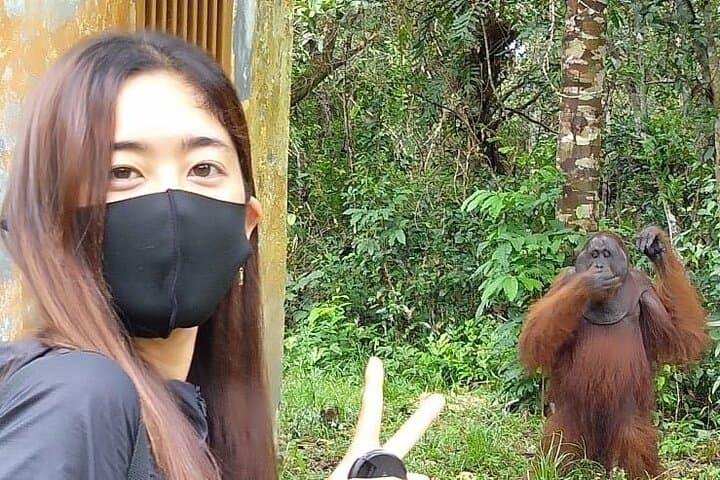
Feeding platforms and riverbank sightings put you within photoshot distance, but guides maintain safe separation; animals decide how close they approach.
Klotok cabins are basic — hammock or simple bunk sleeping, shared facilities, and limited power; it’s rustic but authentic and typically clean.
Travel health advice varies—consult a travel clinic for recommended vaccinations and malaria prevention for Central Kalimantan before travel.
Families do participate; the operator notes accessibility for infants and children, but consider the boat environment and river travel when traveling with young kids.
Tanjung Puting’s research history traces to long-term orangutan studies started in the 1970s; the park gained national protection in the early 1980s.
Responsible visits fund local conservation and research—keep distance from wildlife, avoid feeding, and support certified guides to minimize impact.
Varada Borneo Tour operates guided outdoor trips and adventures with an emphasis on safety, stewardship, and memorable experiences.

You wake before dawn to the boat’s slow churn and the river’s breath—mist lifts off the Sekonyer and a lone hornbill slices across a gray sky. The klotok, a narrow wooden houseboat used throughout Borneo, becomes basecamp: hammocks sway, coffee steams, and every bend in the river promises a new wildlife encounter.
You wake before dawn to the boat’s slow churn and the river’s breath—mist lifts off the Sekonyer and a lone hornbill slices across a gray sky. The klotok, a narrow wooden houseboat used throughout Borneo, becomes basecamp: hammocks sway, coffee steams, and every bend in the river promises a new wildlife encounter.
Tanjung Puting sits on Central Kalimantan’s alluvial plain, carved by meandering rivers and ringed with peat swamp and lowland dipterocarp forest. The park rose to global attention through the long-term orangutan research at Camp Leakey, started by primatologist Biruté Galdikas in the 1970s, and was designated a national park in the early 1980s. Cultural life here intertwines with river transport and Dayak village traditions; small settlements still rely on the waterway for economy and trade.
On a 3-day liveaboard, expect guided slow cruises to feeding platforms at Camp Leakey, Tanjung Harapan and Pondok Tanggui, dawn and late-afternoon sightings, short riverside walks, and a night walk for fungi and nocturnal mammals. Terrain is flat but wet—boardwalks and muddy trails are common. Guides and rangers handle logistics and park permits; respectful distance and quiet observation are enforced to minimize disturbance.
Practical tips: pack quick-drying clothing, strong insect repellent, a headlamp, and spare camera batteries. Plan arrival in Pangkalan Bun the day before departures, and allow buffer time for river transfers. The trip balances close wildlife encounters with simple, rustic on-water living—an intimate, low-impact way to see Borneo’s great apes.