THE ADVENTURE COLLECTIVE® · Independent discovery and booking for outdoor travel

Step into an operational Valencian orchard and 1870 modernist house to taste fresh juice, learn citrus cultivation, and help prepare Ribera oranges for market. A 4-hour, hands-on look at the legacy of Valencia’s most famous fruit.
Step into an operational Valencian orchard and 1870 modernist house to taste fresh juice, learn citrus cultivation, and help prepare Ribera oranges for market. A 4-hour, hands-on look at the legacy of Valencia’s most famous fruit.
You arrive where the road thins and rows of glossy leaves throw moving shadows across the earth—sunlight sliding off orange skin like small coins. A 19th-century modernist house from 1870 anchors the site: stone, wrought iron, and a veranda smelling faintly of orange blossom. The guide leads you through citrus alleys, offering fresh-pressed juice that tastes of sun and calcareous soil.
Verified experiences and guided adventures in the surrounding area.
Operated by Valencia & Go · Alzira, Valencian Community
You arrive where the road thins and rows of glossy leaves throw moving shadows across the earth—sunlight sliding off orange skin like small coins. A 19th-century modernist house from 1870 anchors the site: stone, wrought iron, and a veranda smelling faintly of orange blossom. The guide leads you through citrus alleys, offering fresh-pressed juice that tastes of sun and calcareous soil.
This pocket of La Ribera sits on the Valencian alluvial plain, where fine sediments and a Mediterranean climate turned citrus into a regional industry in the 1800s. The 1870 residence speaks to an era when orange cultivation shifted from family plots to export-minded plantations; packaging and grading became as important as grafting techniques. Local culture still orients around harvest rhythms—markets, liqueurs, and recipes built on the fruit’s bright acidity.
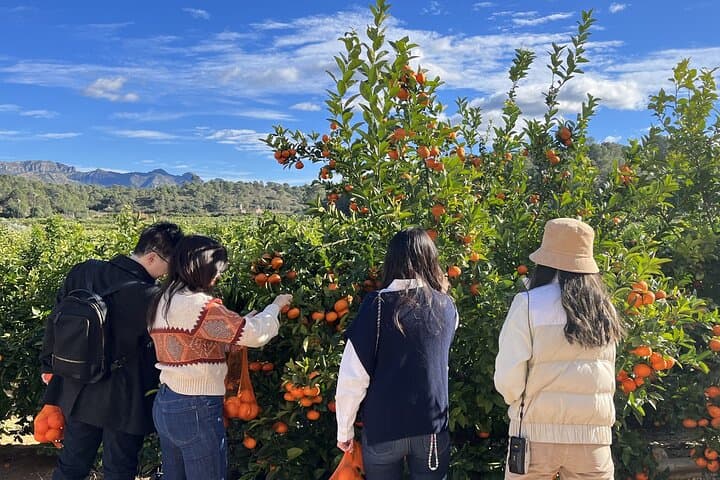
Expect hands-on moments: watching calibration and packaging, tasting artisanal preserves and orange blossom honey, and walking among tangerines, avocados, and rare citrus varieties. The terrain is flat and firm—farm paths, packed earth, and occasional irrigation channels that remind you water shapes the crop here.
Practical guidance: the experience runs about four hours and is roughly 30 minutes from Valencia by car. Wear comfortable walking shoes, sun protection, and bring a refillable bottle—the tastings are generous but the midday sun is real. Photography is welcomed, but follow biosecurity rules (shoe cleaning or hand-washing) to avoid transferring pests. This visit suits curious travelers who want a tactile lesson in Valencian agriculture: scent, flavor, and an understanding of the orange’s role in the landscape and economy.
easy.
4 hours.
Suitable for most fitness levels; involves flat, casual walking through orchard paths and light standing during tastings.
The experience lasts about four hours and typically includes a guided orchard walk, tastings, and a visit to the 1870 house.
Public transport options exist nearby but many travelers arrive by car; confirm pick-up details when booking as the operator sends collection info in advance.
Yes—there are supervised hands-on activities like calibration and packaging, but follow staff instructions for safety and biosecurity.
Yes—tastings and the orchard walk are family-friendly; infants may need to sit on laps and stroller access is generally available.
Valencia’s orange boom in the 19th century transformed small groves into export-oriented orchards; estates like the 1870 house reflect the period’s agricultural modernization.
Citrus farming here faces water-use challenges—many producers practice regulated irrigation and integrated pest management to reduce chemical inputs and conserve groundwater.
Valencia & Go operates guided outdoor trips and adventures with an emphasis on safety, stewardship, and memorable experiences.
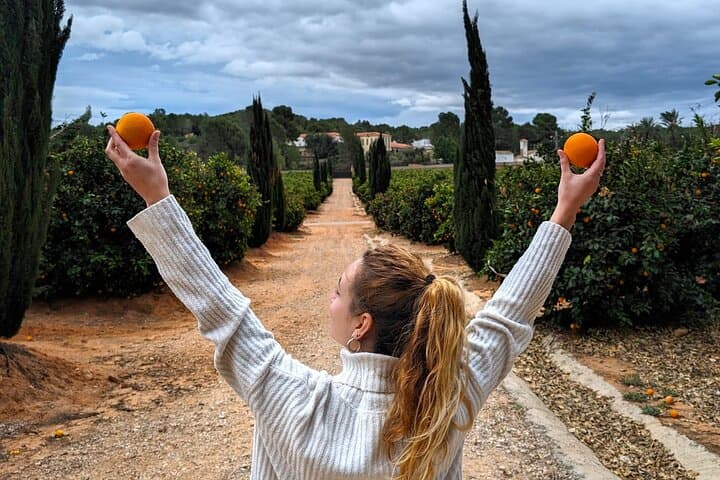
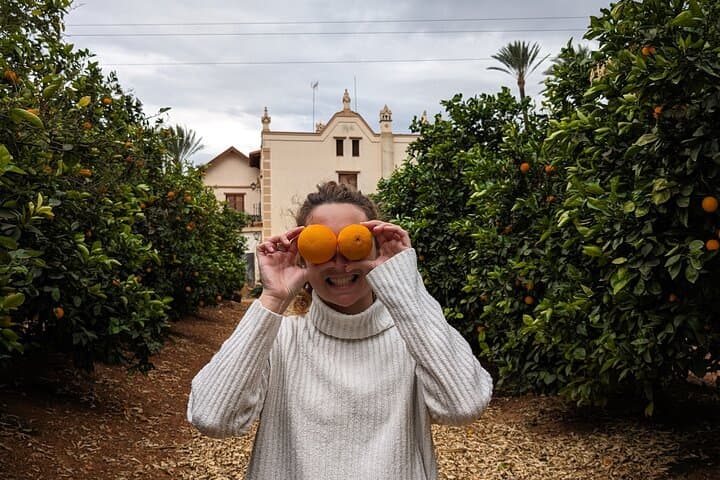
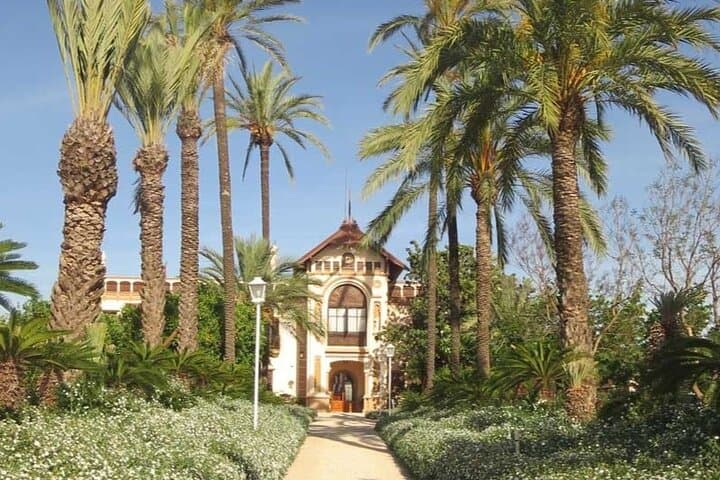
You arrive where the road thins and rows of glossy leaves throw moving shadows across the earth—sunlight sliding off orange skin like small coins. A 19th-century modernist house from 1870 anchors the site: stone, wrought iron, and a veranda smelling faintly of orange blossom. The guide leads you through citrus alleys, offering fresh-pressed juice that tastes of sun and calcareous soil.
You arrive where the road thins and rows of glossy leaves throw moving shadows across the earth—sunlight sliding off orange skin like small coins. A 19th-century modernist house from 1870 anchors the site: stone, wrought iron, and a veranda smelling faintly of orange blossom. The guide leads you through citrus alleys, offering fresh-pressed juice that tastes of sun and calcareous soil.
This pocket of La Ribera sits on the Valencian alluvial plain, where fine sediments and a Mediterranean climate turned citrus into a regional industry in the 1800s. The 1870 residence speaks to an era when orange cultivation shifted from family plots to export-minded plantations; packaging and grading became as important as grafting techniques. Local culture still orients around harvest rhythms—markets, liqueurs, and recipes built on the fruit’s bright acidity.
Expect hands-on moments: watching calibration and packaging, tasting artisanal preserves and orange blossom honey, and walking among tangerines, avocados, and rare citrus varieties. The terrain is flat and firm—farm paths, packed earth, and occasional irrigation channels that remind you water shapes the crop here.
Practical guidance: the experience runs about four hours and is roughly 30 minutes from Valencia by car. Wear comfortable walking shoes, sun protection, and bring a refillable bottle—the tastings are generous but the midday sun is real. Photography is welcomed, but follow biosecurity rules (shoe cleaning or hand-washing) to avoid transferring pests. This visit suits curious travelers who want a tactile lesson in Valencian agriculture: scent, flavor, and an understanding of the orange’s role in the landscape and economy.