THE ADVENTURE COLLECTIVE® · Independent discovery and booking for outdoor travel

A full-day run from Kuala Lumpur to Bukit Merah and Ipoh, this tour pairs a short ferry ride to an orangutan rehabilitation island with a visit to the limestone Sam Poh Tong cave temple. Expect wildlife viewing, a 20-minute boat crossing and several hours of driving through Perak’s karst landscape.
A full-day run from Kuala Lumpur to Bukit Merah and Ipoh, this tour pairs a short ferry ride to an orangutan rehabilitation island with a visit to the limestone Sam Poh Tong cave temple. Expect wildlife viewing, a 20-minute boat crossing and several hours of driving through Perak’s karst landscape.
You leave Kuala Lumpur before dawn, the highway unspooling north toward Perak. The city’s skyline recedes; oil-palm and rubber give way to the rounded silhouettes of limestone hills. On arrival at Bukit Merah, the freshwater lake widens and the ferry waits — the water seems to dare you forward as the boat cuts a twenty-minute line to Orang Utan Island.
Verified experiences and guided adventures in the surrounding area.
Operated by Asia Advisor by Asni · Ipoh, Perak
You leave Kuala Lumpur before dawn, the highway unspooling north toward Perak. The city’s skyline recedes; oil-palm and rubber give way to the rounded silhouettes of limestone hills. On arrival at Bukit Merah, the freshwater lake widens and the ferry waits — the water seems to dare you forward as the boat cuts a twenty-minute line to Orang Utan Island.
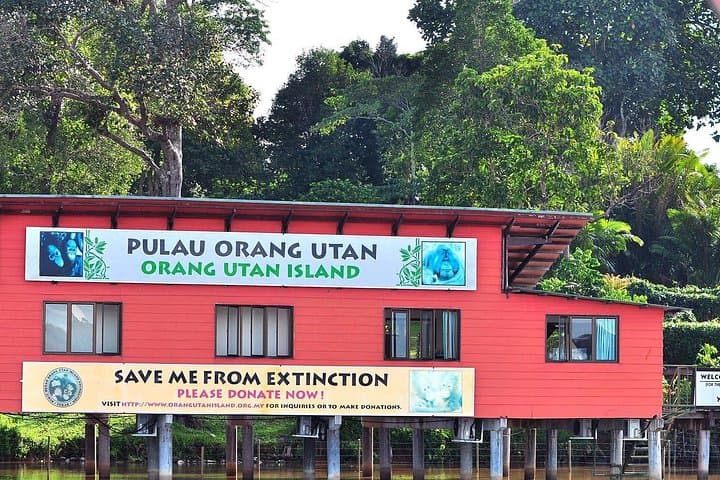
The island is a small, purpose-built rehabilitation reserve where rescued orangutans move with surprising deliberation. Researchers and keepers use the site for breeding, care and public education; watching an adult ginger-hued ape use its hands with human-like intent is both scientific and quietly theatrical.
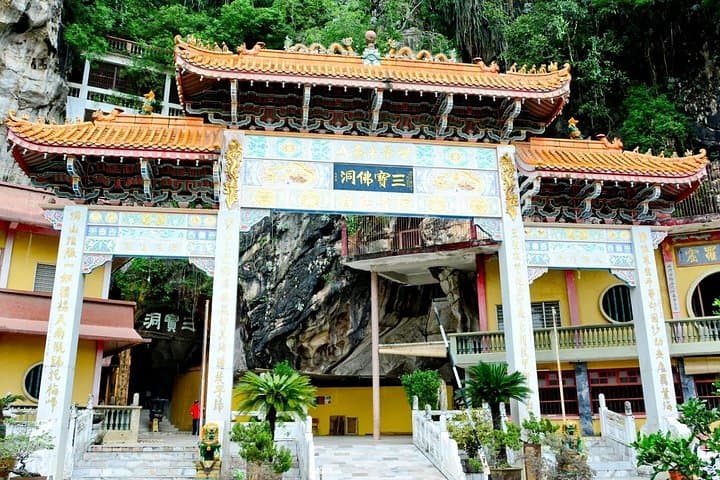
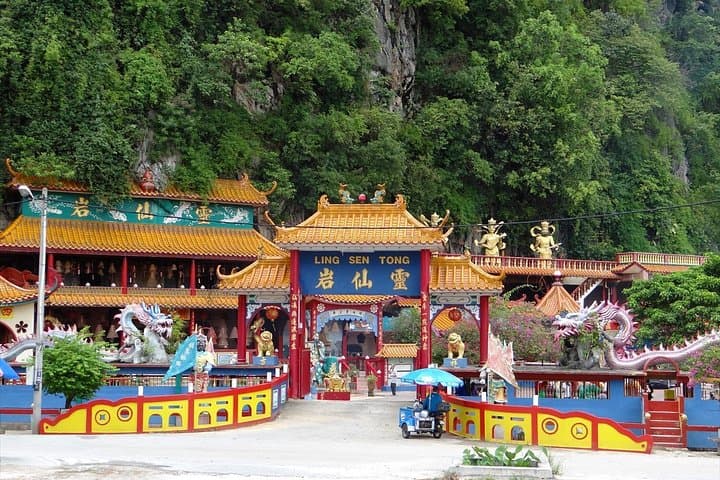
The route through Perak also traces older stories: the Kinta Valley’s limestone karst formed from ancient coral uplift, producing cave systems like Ipoh’s Sam Poh Tong. The temple, carved into a cavern and reached by about 246 steps, speaks to the region’s Chinese-Malayan cultural mix and long-standing pilgrimage traditions.
Practical details: plan an eight-hour day from KL with long driving segments, a 20-minute boat crossing and a 90–120 minute visit on the island. Trails on the reserve are short and flat, but bring sun protection, insect repellent and a camera with a good zoom; maintain a respectful distance and follow guide instructions for viewing times and feeding schedules. Combine the visit with a stop at Sam Poh Tong for a stair climb and city view; expect stairs and some uneven paths. Hydrate, wear closed walking shoes, and aim for morning departures to avoid mid-afternoon heat and unpredictable tropical showers.
easy.
8 hours.
Suitable for most fitness levels; expect short flat walks, a 20-minute boat ride and a steep stair climb at Sam Poh Tong.
The ferry crossing from the mainland jetty to Orang Utan Island takes about 15–20 minutes each way.
No — feedings and close contact are managed by the centre; visitors must observe from designated viewing areas and follow staff instructions.
Yes, though there is a steep climb of approximately 246 steps to the cave entrance, so supervise young children and pace the ascent.
Most day tours include hotel pick-up and drop-off in Kuala Lumpur; check your booking confirmation for the specific pickup point and time.
The Bukit Merah facility functions as a rehabilitation and research site for rescued orangutans; the wider Kinta Valley’s limestone caves have long been sites of Chinese temple architecture and Buddhist practice.
The island supports breeding and public education aimed at reducing illegal trade and habitat loss; visitors can help by following viewing rules and avoiding single-use plastics.
Asia Advisor by Asni operates guided outdoor trips and adventures with an emphasis on safety, stewardship, and memorable experiences.
You leave Kuala Lumpur before dawn, the highway unspooling north toward Perak. The city’s skyline recedes; oil-palm and rubber give way to the rounded silhouettes of limestone hills. On arrival at Bukit Merah, the freshwater lake widens and the ferry waits — the water seems to dare you forward as the boat cuts a twenty-minute line to Orang Utan Island.
You leave Kuala Lumpur before dawn, the highway unspooling north toward Perak. The city’s skyline recedes; oil-palm and rubber give way to the rounded silhouettes of limestone hills. On arrival at Bukit Merah, the freshwater lake widens and the ferry waits — the water seems to dare you forward as the boat cuts a twenty-minute line to Orang Utan Island.
The island is a small, purpose-built rehabilitation reserve where rescued orangutans move with surprising deliberation. Researchers and keepers use the site for breeding, care and public education; watching an adult ginger-hued ape use its hands with human-like intent is both scientific and quietly theatrical.
The route through Perak also traces older stories: the Kinta Valley’s limestone karst formed from ancient coral uplift, producing cave systems like Ipoh’s Sam Poh Tong. The temple, carved into a cavern and reached by about 246 steps, speaks to the region’s Chinese-Malayan cultural mix and long-standing pilgrimage traditions.
Practical details: plan an eight-hour day from KL with long driving segments, a 20-minute boat crossing and a 90–120 minute visit on the island. Trails on the reserve are short and flat, but bring sun protection, insect repellent and a camera with a good zoom; maintain a respectful distance and follow guide instructions for viewing times and feeding schedules. Combine the visit with a stop at Sam Poh Tong for a stair climb and city view; expect stairs and some uneven paths. Hydrate, wear closed walking shoes, and aim for morning departures to avoid mid-afternoon heat and unpredictable tropical showers.