THE ADVENTURE COLLECTIVE® · Independent discovery and booking for outdoor travel

Walk the streets that shaped J. Robert Oppenheimer: a 2.5-hour guided tour of childhood homes, institutional halls, and neighborhood corners on Manhattan’s Upper West Side.
Walk the streets that shaped J. Robert Oppenheimer: a 2.5-hour guided tour of childhood homes, institutional halls, and neighborhood corners on Manhattan’s Upper West Side.
On an autumn morning the Upper West Side reads like a ledger of public life: brownstone stoops, broad sidewalks and the hush of Riverside Drive where the river’s edge framed so many conversations. The Oppenheimer in New York walking tour moves through those streets, pausing at the childhood home, the Master Apartments, and neighborhood institutions that shaped J. Robert Oppenheimer’s formative years.
Verified experiences and guided adventures in the surrounding area.
Operated by Purefinder New York · New York, NY
On an autumn morning the Upper West Side reads like a ledger of public life: brownstone stoops, broad sidewalks and the hush of Riverside Drive where the river’s edge framed so many conversations. The Oppenheimer in New York walking tour moves through those streets, pausing at the childhood home, the Master Apartments, and neighborhood institutions that shaped J. Robert Oppenheimer’s formative years.
The walk ties local history to larger currents — Progressive-era education, New Deal-era cultural institutions, and close-knit immigrant networks that fed intellectual life. The geology here is urban: Manhattan bedrock rises in parks and under sidewalks, avenues follow older ferry and streetcar corridors, and the Hudson’s proximity shaped daily patterns of movement and social life.
Expect roughly 2½–3 miles of mostly flat, paved walking with frequent stops for interpretation; the tour runs about 2.5 hours. Guides point out façades, plaques, and lesser-known corners — including the Shinran statue and residences associated with physicists who intersected Oppenheimer’s life. Photography is easy but keep pace with the group. Public transit access is strong; arrive by subway or bus to avoid parking hassles.
Practical notes: wear sturdy shoes, bring water and a layered jacket for riverside breezes, and allow time afterward to explore Riverside Park or the Museum of Natural History. The tour balances archival anecdotes and urban detail so you leave with both context and a mapped route to rewalk on your own.
easy.
2–3 hours.
Moderate fitness for walking 2.5–3 miles with standing stops; suitable for most adults.
The tour lasts about 2.5 hours and covers roughly 2.5–3 miles of mostly flat, paved sidewalks with periodic stops.
Much of the route is on paved sidewalks and is accessible, but curb cuts and busy sidewalks can present challenges — contact the operator ahead to confirm accommodations.
Yes — multiple subway lines and buses serve the Upper West Side; guides typically recommend arriving by transit to avoid parking issues.
Yes; the content is historical and suitable for older children, but parents should be prepared for the walking distance and interpretive stops.
Oppenheimer spent formative years on the Upper West Side where Progressive education and New Deal-era institutions intersected with networks of scientists and patrons who influenced early 20th-century physics.
Stick to sidewalks and marked paths, avoid trampling planted areas in Riverside Park, and follow Leave No Trace principles in urban green spaces to minimize impact.
Purefinder New York operates guided outdoor trips and adventures with an emphasis on safety, stewardship, and memorable experiences.
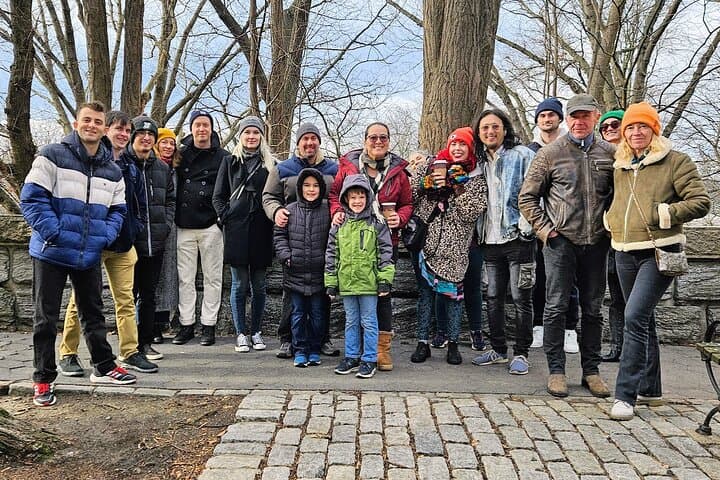

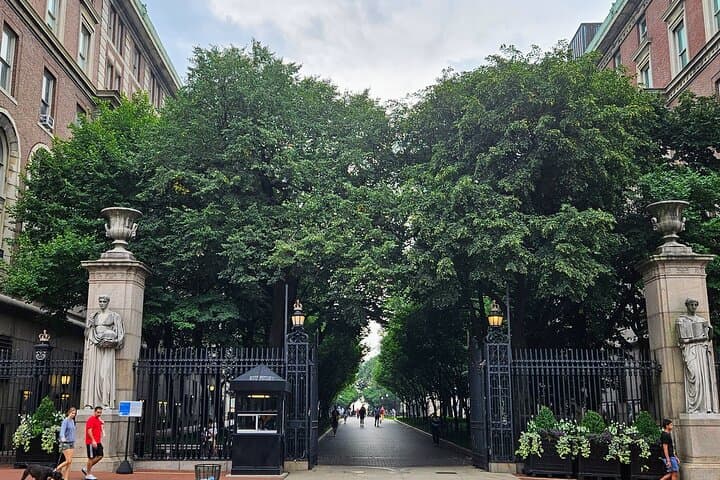
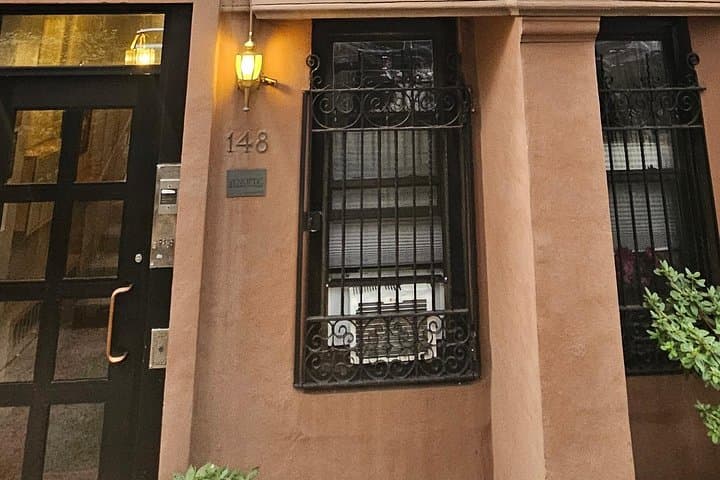
On an autumn morning the Upper West Side reads like a ledger of public life: brownstone stoops, broad sidewalks and the hush of Riverside Drive where the river’s edge framed so many conversations. The Oppenheimer in New York walking tour moves through those streets, pausing at the childhood home, the Master Apartments, and neighborhood institutions that shaped J. Robert Oppenheimer’s formative years.
On an autumn morning the Upper West Side reads like a ledger of public life: brownstone stoops, broad sidewalks and the hush of Riverside Drive where the river’s edge framed so many conversations. The Oppenheimer in New York walking tour moves through those streets, pausing at the childhood home, the Master Apartments, and neighborhood institutions that shaped J. Robert Oppenheimer’s formative years.
The walk ties local history to larger currents — Progressive-era education, New Deal-era cultural institutions, and close-knit immigrant networks that fed intellectual life. The geology here is urban: Manhattan bedrock rises in parks and under sidewalks, avenues follow older ferry and streetcar corridors, and the Hudson’s proximity shaped daily patterns of movement and social life.
Expect roughly 2½–3 miles of mostly flat, paved walking with frequent stops for interpretation; the tour runs about 2.5 hours. Guides point out façades, plaques, and lesser-known corners — including the Shinran statue and residences associated with physicists who intersected Oppenheimer’s life. Photography is easy but keep pace with the group. Public transit access is strong; arrive by subway or bus to avoid parking hassles.
Practical notes: wear sturdy shoes, bring water and a layered jacket for riverside breezes, and allow time afterward to explore Riverside Park or the Museum of Natural History. The tour balances archival anecdotes and urban detail so you leave with both context and a mapped route to rewalk on your own.