THE ADVENTURE COLLECTIVE® · Independent discovery and booking for outdoor travel

Start your scuba journey amid the clear, warm waters off Cozumel while learning low-impact diving techniques and contributing to reef conservation. This Open Water Diver course balances classroom study, confined-water practice, and open-water exploration over two to three days.
Start your scuba journey amid the clear, warm waters off Cozumel while learning low-impact diving techniques and contributing to reef conservation. This Open Water Diver course balances classroom study, confined-water practice, and open-water exploration over two to three days.
You step off the dive boat and the Caribbean takes you in — a warm, clear sheet of blue that seems to breathe around your fins. The current here plays with light, throwing sharp beams across coral plates while palms on Cozumel’s shore tilt toward the sea. It’s an invitation and a test: learn to move through this world with skill and respect.
Verified experiences and guided adventures in the surrounding area.
Operated by Be Diving Scuba Academy · San Miguel de Cozumel, Quintana Roo
You step off the dive boat and the Caribbean takes you in — a warm, clear sheet of blue that seems to breathe around your fins. The current here plays with light, throwing sharp beams across coral plates while palms on Cozumel’s shore tilt toward the sea. It’s an invitation and a test: learn to move through this world with skill and respect.
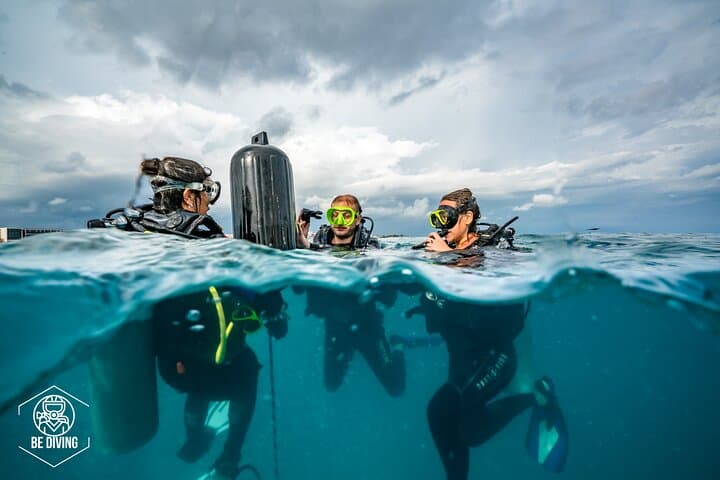
Cozumel sits on the edge of the Mesoamerican Reef, a geological arc of limestone and coral formed over millennia. The island has long cultural ties to the Maya, who regarded Cozumel as sacred to the goddess of childbirth and the moon. Today, dive operators blend that history with conservation-focused training: the Open Water Diver course combines classroom or online knowledge development, confined-water skill sessions, and open-water dives where skills meet real reef ecology.
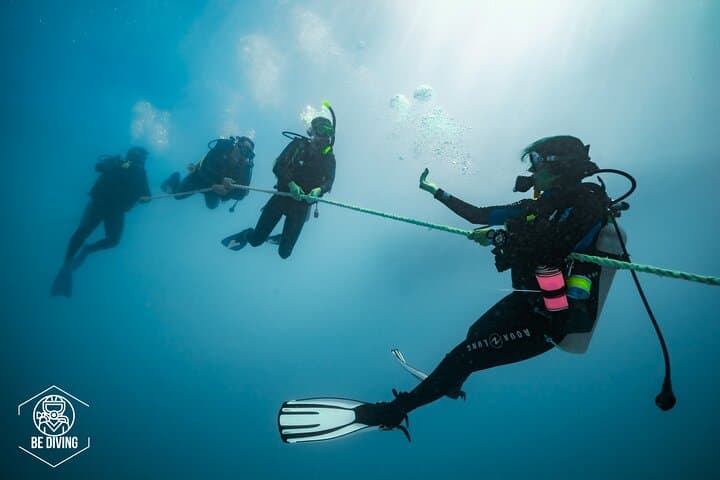
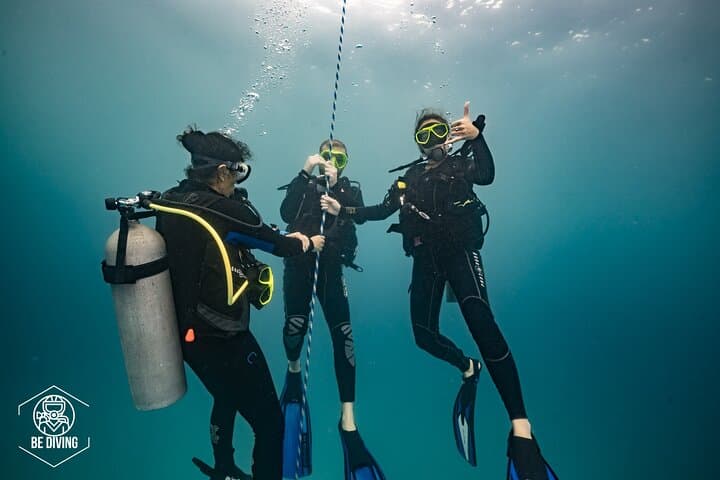
Expect shallow coral gardens, spur-and-groove formations, and resident fish that treat divers as part of the scenery. Instructors emphasize buoyancy, low-impact finning, and reef identification as part of conserving fragile habitats. Courses typically run two to three days, and include gear use, snacks, bottled water, and often private transport.
Practical guidance: arrive well-rested, hydrated, and ready to practice equalization techniques; your ears and breathing control are more important than brute strength. Bring a reef-safe sunscreen and a logbook to track your skills. Plan surface intervals and avoid flying within 18–24 hours after your last dive. With modest fitness and a willingness to learn, you’ll leave able to move deliberately through the reef — observing, not disturbing — and join local efforts to keep Cozumel’s underwater world healthy for generations of divers to come.
moderate.
2–3 days.
Moderate fitness; comfortable swimming and basic breath control are required
Most operators run a two- to three-day program that includes knowledge development, confined-water training, and four open-water dives.
No prior scuba experience is needed, but you should be comfortable swimming and able to manage basic breathing and equalization.
Minimum ages vary by agency, commonly 10–12 for junior certifications; check the operator’s policy before booking.
Many Cozumel courses include reef-safe practices, reef briefings, and sometimes simple conservation tasks like debris assessments or fish counts.
Cozumel was an important island in Maya culture, historically visited for rituals dedicated to the goddess Ixchel and later mapped by early European explorers.
The Mesoamerican Reef is protected by marine zones around Cozumel; divers should practice no-take and no-touch policies and support local reef-cleanup initiatives.
Be Diving Scuba Academy operates guided outdoor trips and adventures with an emphasis on safety, stewardship, and memorable experiences.
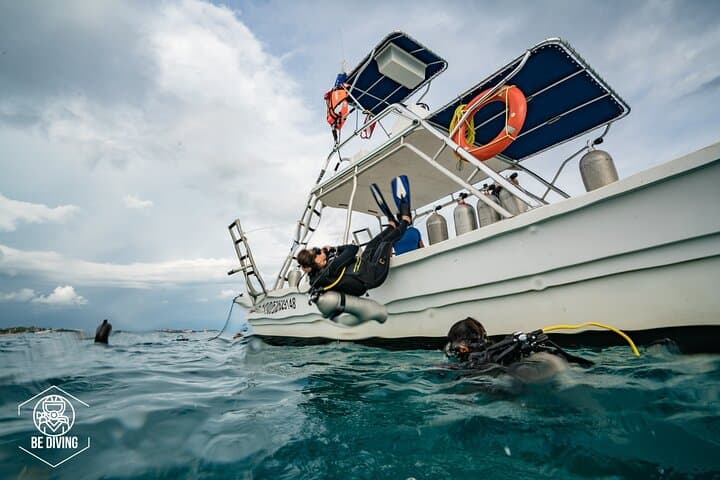
You step off the dive boat and the Caribbean takes you in — a warm, clear sheet of blue that seems to breathe around your fins. The current here plays with light, throwing sharp beams across coral plates while palms on Cozumel’s shore tilt toward the sea. It’s an invitation and a test: learn to move through this world with skill and respect.
You step off the dive boat and the Caribbean takes you in — a warm, clear sheet of blue that seems to breathe around your fins. The current here plays with light, throwing sharp beams across coral plates while palms on Cozumel’s shore tilt toward the sea. It’s an invitation and a test: learn to move through this world with skill and respect.
Cozumel sits on the edge of the Mesoamerican Reef, a geological arc of limestone and coral formed over millennia. The island has long cultural ties to the Maya, who regarded Cozumel as sacred to the goddess of childbirth and the moon. Today, dive operators blend that history with conservation-focused training: the Open Water Diver course combines classroom or online knowledge development, confined-water skill sessions, and open-water dives where skills meet real reef ecology.
Expect shallow coral gardens, spur-and-groove formations, and resident fish that treat divers as part of the scenery. Instructors emphasize buoyancy, low-impact finning, and reef identification as part of conserving fragile habitats. Courses typically run two to three days, and include gear use, snacks, bottled water, and often private transport.
Practical guidance: arrive well-rested, hydrated, and ready to practice equalization techniques; your ears and breathing control are more important than brute strength. Bring a reef-safe sunscreen and a logbook to track your skills. Plan surface intervals and avoid flying within 18–24 hours after your last dive. With modest fitness and a willingness to learn, you’ll leave able to move deliberately through the reef — observing, not disturbing — and join local efforts to keep Cozumel’s underwater world healthy for generations of divers to come.