THE ADVENTURE COLLECTIVE® · Independent discovery and booking for outdoor travel

Drive an open-top 4x4 from Funchal across Madeira’s western edge—Paul da Serra’s windswept plateau, banana plantations, dramatic headlands and small fishing harbors. Expect easy walking at scenic stops, vivid coastal views, and a chance to taste local rum in Calheta.
Drive an open-top 4x4 from Funchal across Madeira’s western edge—Paul da Serra’s windswept plateau, banana plantations, dramatic headlands and small fishing harbors. Expect easy walking at scenic stops, vivid coastal views, and a chance to taste local rum in Calheta.
The wind tugs at the open roof as the 4x4 threads a road cut into black basalt; the Atlantic spreads like a hard promise to the west. Riders scan terraces of banana and sugarcane, while the plateau of Paul da Serra rises ahead at roughly 1,500 meters—its flat, weather-swept surface a stark contrast to the steep, green cliffs below.
Verified experiences and guided adventures in the surrounding area.
Operated by Green Devil Safari · Funchal, Madeira
The wind tugs at the open roof as the 4x4 threads a road cut into black basalt; the Atlantic spreads like a hard promise to the west. Riders scan terraces of banana and sugarcane, while the plateau of Paul da Serra rises ahead at roughly 1,500 meters—its flat, weather-swept surface a stark contrast to the steep, green cliffs below.
This route stitches together Madeira’s agricultural history and maritime culture. Sugar and bananas shaped settlement and trade after 15th-century colonization; the small harbors you pass—Ponta do Sol, Paul do Mar, Calheta—were once lifelines for coastal commerce. Geologically, the island is volcanic, with rugged headlands and uplifted cliffs carved by ocean abrasion; the Ponta do Pargo lighthouse perches on those cliffs as a practical landmark and viewpoint.
Local life is visible in terraced farms, roadside chapels, and the occasional rum factory in Calheta where aguardente continues a colonial-era tradition. Forested ravines harbor remnants of laurel forest species; offshore, dolphins often ride the swell.
Practical guidance: this is a largely easy, vehicle-based experience with short strolls at stops—expect light walking over uneven ground and some steps. Layer for temperature swings between coast and plateau, bring sun protection for exposed coastal stops, and carry motion-sickness remedies if you’re sensitive to switchbacks. Photography windows are frequent but brief—plan to disembark quickly and keep valuables secure in the vehicle. If you want a rum distillery visit, check opening hours in advance; local guides commonly arrange brief tastings when available.
easy.
6 hours.
Minimal fitness required—mostly seated in the vehicle with short, easy walks at viewpoints
Most departures are from Funchal or nearby pickup points; confirm your pickup location and time when booking.
Visits depend on opening hours and availability; guides will include a tasting only if the distillery is open that day.
This tour is not recommended for passengers with serious back issues or pregnant travelers due to vehicle motion and off-road sections.
Walking is minimal—short strolls of 5–20 minutes at viewpoints and villages; terrain can be uneven.
Madeira’s southwest grew from 15th-century sugar plantations; banana cultivation and small coastal harbors later shaped local economies and settlement patterns.
Laurisilva fragments and coastal habitats are protected; follow local guidelines, avoid trampling vegetation, and minimise plastic waste to reduce impact.
Green Devil Safari operates guided outdoor trips and adventures with an emphasis on safety, stewardship, and memorable experiences.
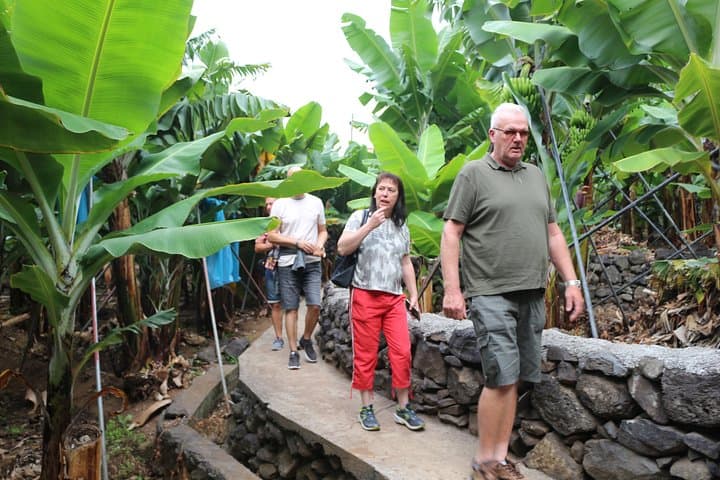
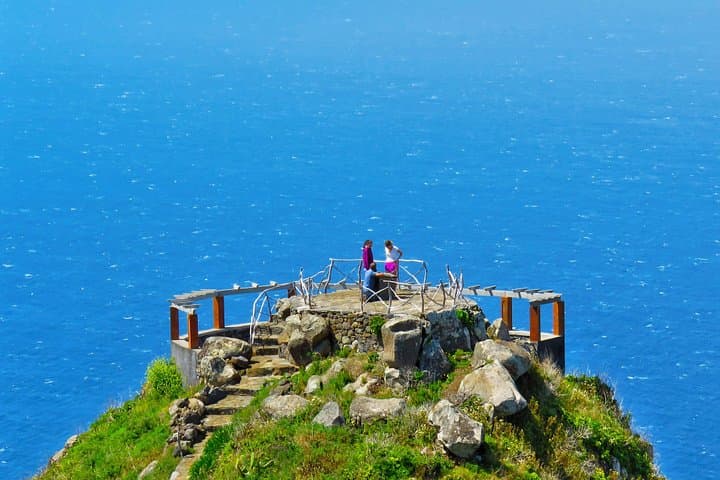
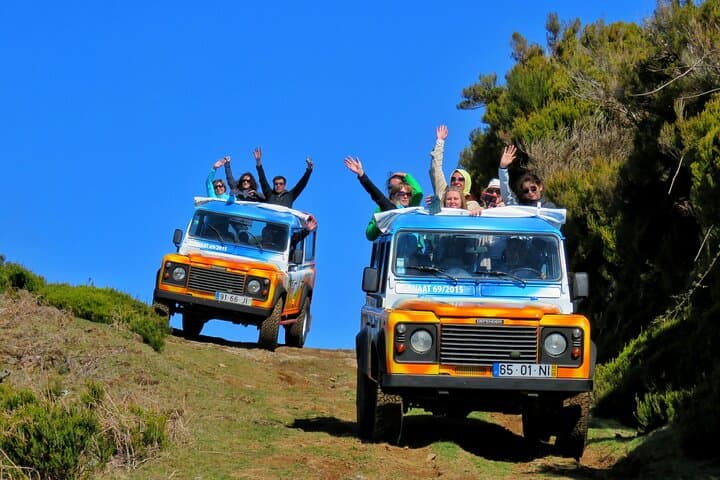
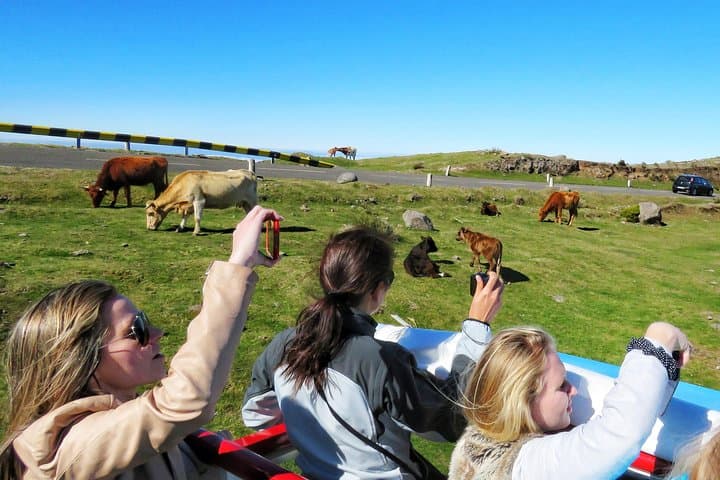
The wind tugs at the open roof as the 4x4 threads a road cut into black basalt; the Atlantic spreads like a hard promise to the west. Riders scan terraces of banana and sugarcane, while the plateau of Paul da Serra rises ahead at roughly 1,500 meters—its flat, weather-swept surface a stark contrast to the steep, green cliffs below.
The wind tugs at the open roof as the 4x4 threads a road cut into black basalt; the Atlantic spreads like a hard promise to the west. Riders scan terraces of banana and sugarcane, while the plateau of Paul da Serra rises ahead at roughly 1,500 meters—its flat, weather-swept surface a stark contrast to the steep, green cliffs below.
This route stitches together Madeira’s agricultural history and maritime culture. Sugar and bananas shaped settlement and trade after 15th-century colonization; the small harbors you pass—Ponta do Sol, Paul do Mar, Calheta—were once lifelines for coastal commerce. Geologically, the island is volcanic, with rugged headlands and uplifted cliffs carved by ocean abrasion; the Ponta do Pargo lighthouse perches on those cliffs as a practical landmark and viewpoint.
Local life is visible in terraced farms, roadside chapels, and the occasional rum factory in Calheta where aguardente continues a colonial-era tradition. Forested ravines harbor remnants of laurel forest species; offshore, dolphins often ride the swell.
Practical guidance: this is a largely easy, vehicle-based experience with short strolls at stops—expect light walking over uneven ground and some steps. Layer for temperature swings between coast and plateau, bring sun protection for exposed coastal stops, and carry motion-sickness remedies if you’re sensitive to switchbacks. Photography windows are frequent but brief—plan to disembark quickly and keep valuables secure in the vehicle. If you want a rum distillery visit, check opening hours in advance; local guides commonly arrange brief tastings when available.