THE ADVENTURE COLLECTIVE® · Independent discovery and booking for outdoor travel

Leave Maputo before sunrise for an open-vehicle safari into Kruger National Park. Spend a full day tracking the Big Five across savannah, riverine forest, and floodplain with a professional guide and a midday lunch inside the park.
Leave Maputo before sunrise for an open-vehicle safari into Kruger National Park. Spend a full day tracking the Big Five across savannah, riverine forest, and floodplain with a professional guide and a midday lunch inside the park.
Dawn breaks over low, gold-tipped grass as an open safari vehicle slips out of Maputo and crosses the border into Kruger National Park. The wind teases hair and camera straps; the guide’s binoculars bob as a distant herd shapes the skyline. Daylight reveals riverine thickets, broad acacia savannahs, and the slow, deliberate parade of elephants making their way to water.
Verified experiences and guided adventures in the surrounding area.
Operated by mozcampadventures · Skukuza, Mpumalanga
Dawn breaks over low, gold-tipped grass as an open safari vehicle slips out of Maputo and crosses the border into Kruger National Park. The wind teases hair and camera straps; the guide’s binoculars bob as a distant herd shapes the skyline. Daylight reveals riverine thickets, broad acacia savannahs, and the slow, deliberate parade of elephants making their way to water.
Kruger, established in 1926 and named after President Paul Kruger, sits on ancient granite and gneiss foundations that lift into shallow ridges and river valleys. The park’s soils and seasonal rains create a shifting mosaic of woodlands and floodplain—habitat for lions, leopards, rhinos, buffalo and elephant: the Big Five you’re here to find. Local Tsonga and Shangaan cultures shaped human use of these landscapes for centuries; today park management balances wildlife protection with community livelihoods.
Expect a full-day rhythm: an early 5:00 AM departure, long scenic drive, game viewing from an open vehicle with a professional guide, a relaxed lunch inside the park, then afternoon drives as shadows lengthen. Practicalities matter—bring sun protection, layered clothing for cool mornings, and enough water to stay hydrated through a long day. Binoculars and a long lens improve sightings; keep noise low and windows open for unobstructed viewing.
Wildlife encounters are never guaranteed; patience and keen eyes shape success. Respect park rules, stay in the vehicle during sightings, and follow your guide’s instructions for safety. Return to Maputo at dusk with photographs and a clearer sense of Africa’s untamed pace.
easy.
12–14 hours.
Suitable for most fitness levels; requires long periods sitting and some short walks at rest stops
Expect roughly 3–4 hours each way depending on border formalities and pickup location—plan for a full 12–14 hour day.
Yes; infants typically must sit on a lap. Confirm age limits with the operator and pack appropriate sun and hydration gear for young children.
Standard inclusions are round-trip transport from Maputo, entrance fees, bottled water, snacks, lunch, and a professional guide in an open vehicle.
The tour notes wheelchair-accessible transport options but game drives in open vehicles may require stepping up; check specific accessibility needs with the operator before booking.
Kruger became South Africa’s first national park in 1926, consolidating earlier hunting concessions into a protected wildlife reserve under early conservation efforts.
Kruger focuses on anti-poaching patrols, community partnerships, and responsible tourism—stay on roads, follow guides, and minimize disturbance to wildlife.
mozcampadventures operates guided outdoor trips and adventures with an emphasis on safety, stewardship, and memorable experiences.
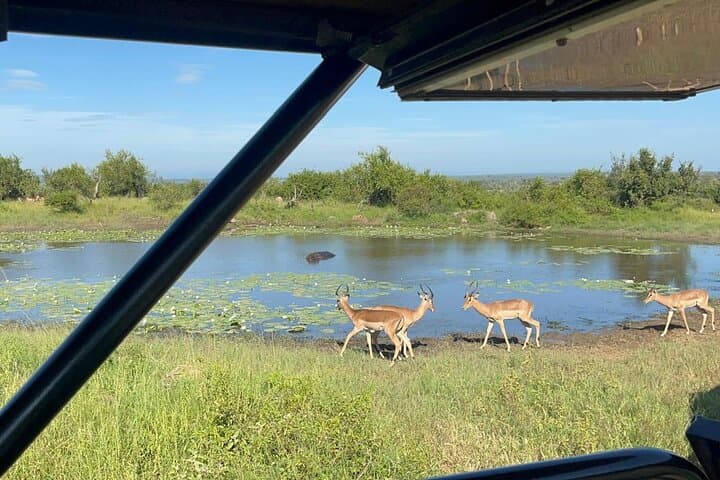
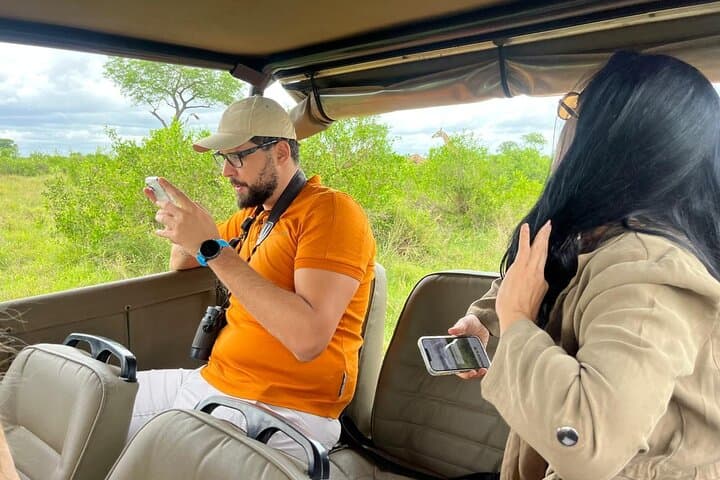
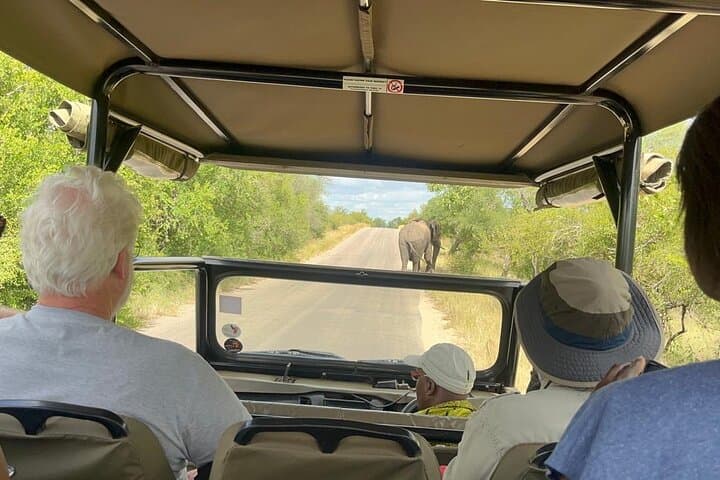
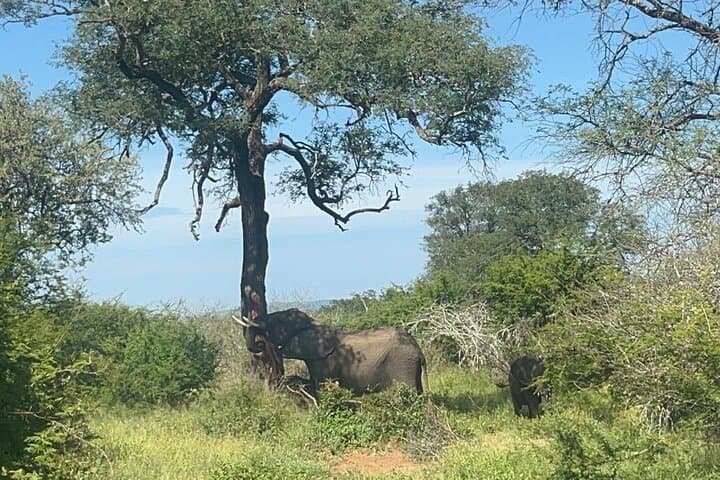
Dawn breaks over low, gold-tipped grass as an open safari vehicle slips out of Maputo and crosses the border into Kruger National Park. The wind teases hair and camera straps; the guide’s binoculars bob as a distant herd shapes the skyline. Daylight reveals riverine thickets, broad acacia savannahs, and the slow, deliberate parade of elephants making their way to water.
Dawn breaks over low, gold-tipped grass as an open safari vehicle slips out of Maputo and crosses the border into Kruger National Park. The wind teases hair and camera straps; the guide’s binoculars bob as a distant herd shapes the skyline. Daylight reveals riverine thickets, broad acacia savannahs, and the slow, deliberate parade of elephants making their way to water.
Kruger, established in 1926 and named after President Paul Kruger, sits on ancient granite and gneiss foundations that lift into shallow ridges and river valleys. The park’s soils and seasonal rains create a shifting mosaic of woodlands and floodplain—habitat for lions, leopards, rhinos, buffalo and elephant: the Big Five you’re here to find. Local Tsonga and Shangaan cultures shaped human use of these landscapes for centuries; today park management balances wildlife protection with community livelihoods.
Expect a full-day rhythm: an early 5:00 AM departure, long scenic drive, game viewing from an open vehicle with a professional guide, a relaxed lunch inside the park, then afternoon drives as shadows lengthen. Practicalities matter—bring sun protection, layered clothing for cool mornings, and enough water to stay hydrated through a long day. Binoculars and a long lens improve sightings; keep noise low and windows open for unobstructed viewing.
Wildlife encounters are never guaranteed; patience and keen eyes shape success. Respect park rules, stay in the vehicle during sightings, and follow your guide’s instructions for safety. Return to Maputo at dusk with photographs and a clearer sense of Africa’s untamed pace.